
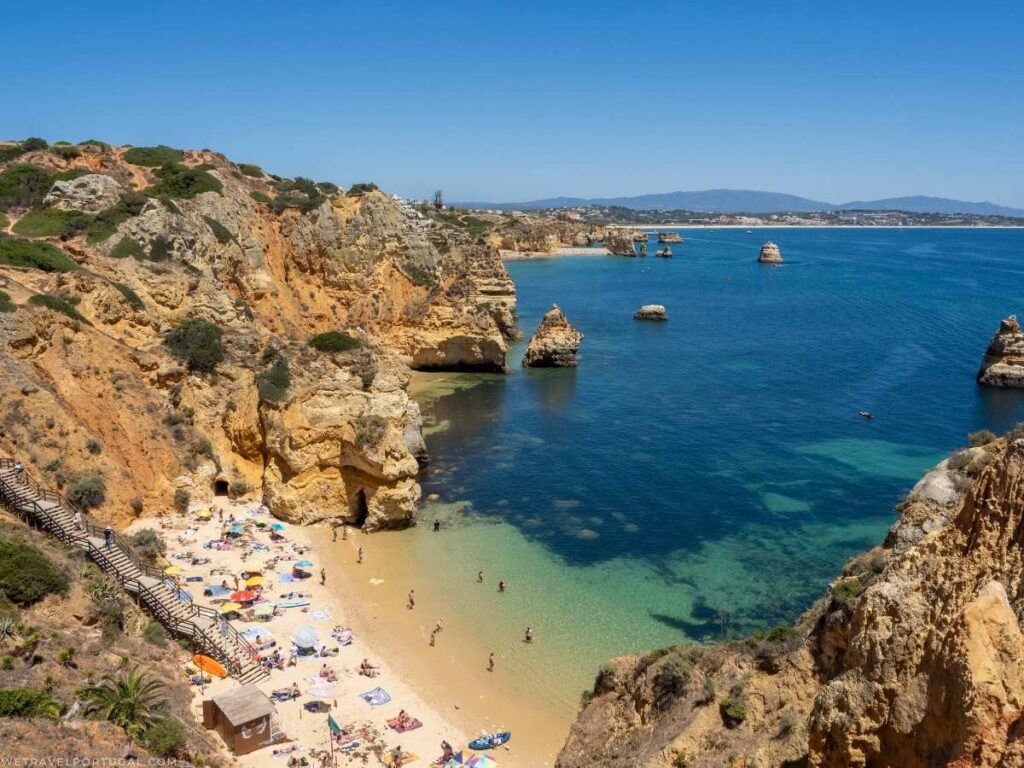
The Algarve is one of Portugal’s most famous regions, but it is also one of its most misunderstood. For many visitors, the name brings to mind summer holidays, beaches, resorts, golf courses and busy marinas. Of course, those things all exist but they are only one side to the Algarve.
Look a little closer, spend a little longer, and the region becomes much more varied. You’ll find fishing towns built around working harbours and fish markets, whitewashed villages in the hills, paradise islands, lagoons filled with birdlife, dramatic cliff walks, Roman ruins, local markets, family-run restaurants and long stretches of coast where the Atlantic coast still feels wild.
We have been living in and travelling around Portugal since 2018, and the Algarve is a region we return to again and again. It is easy to visit for a quick beach holiday, but it really rewards people willing to travel more slowly. The best experiences often come from moving beyond the obvious resorts, and big-name towns, and spending time in smaller places, eating local food, walking early in the morning and giving each part of the coast its own time.
This guide is designed as a starting point. You can use it to understand the different areas of the Algarve, decide where to stay, plan your route and then explore our more detailed guides and itineraries for the Eastern, Central, and Western Algarve.
Understanding the Algarve
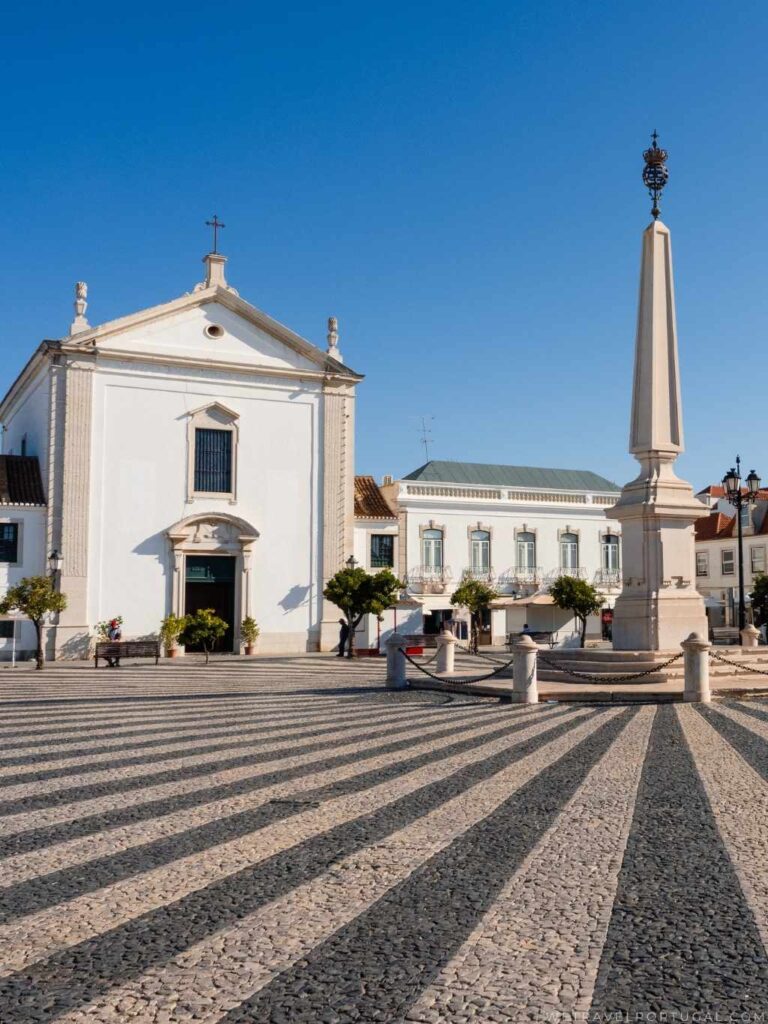
The Algarve forms the southernmost region of mainland Portugal, stretching from the Spanish border in the east to the wild Atlantic coast around Sagres and Aljezur in the west. Although it is often treated as one single destination, the region changes dramatically from east to west, and north to south.
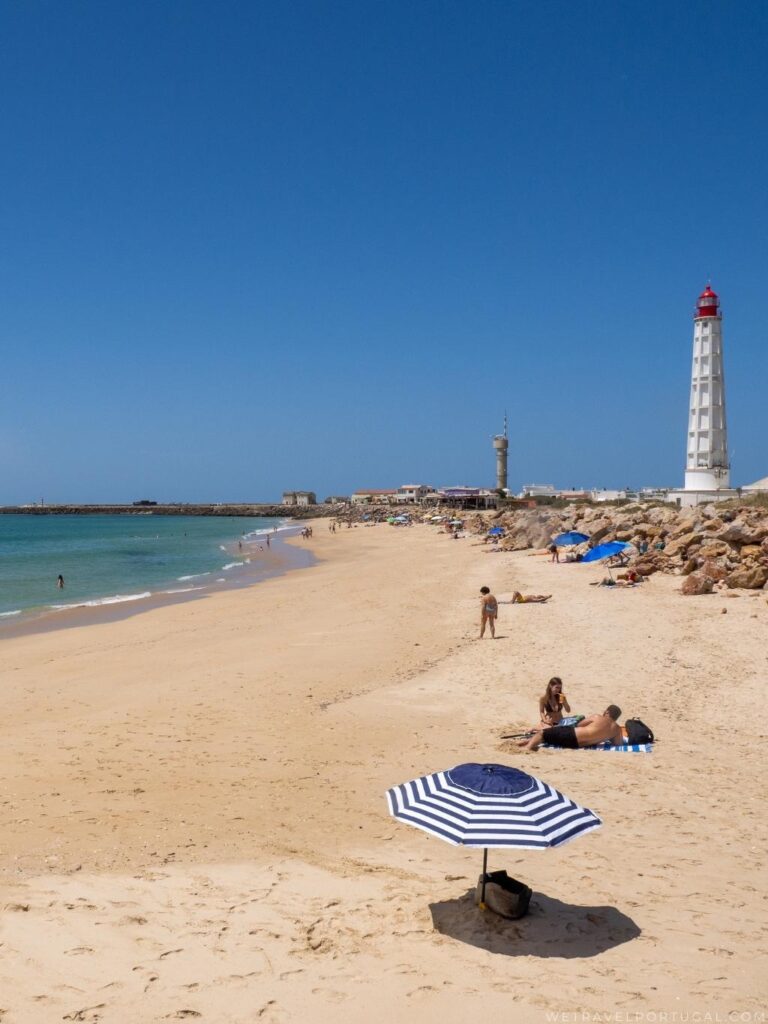
The Eastern Algarve is shaped by the Ria Formosa, a lagoon system of barrier islands, salt ponds, fishing towns and long sandy beaches. Towns such as Olhão, Tavira, Fuseta and Vila Real de Santo António offer a quieter and more traditional side of the region, but with good public transport and excellent access to island beaches.
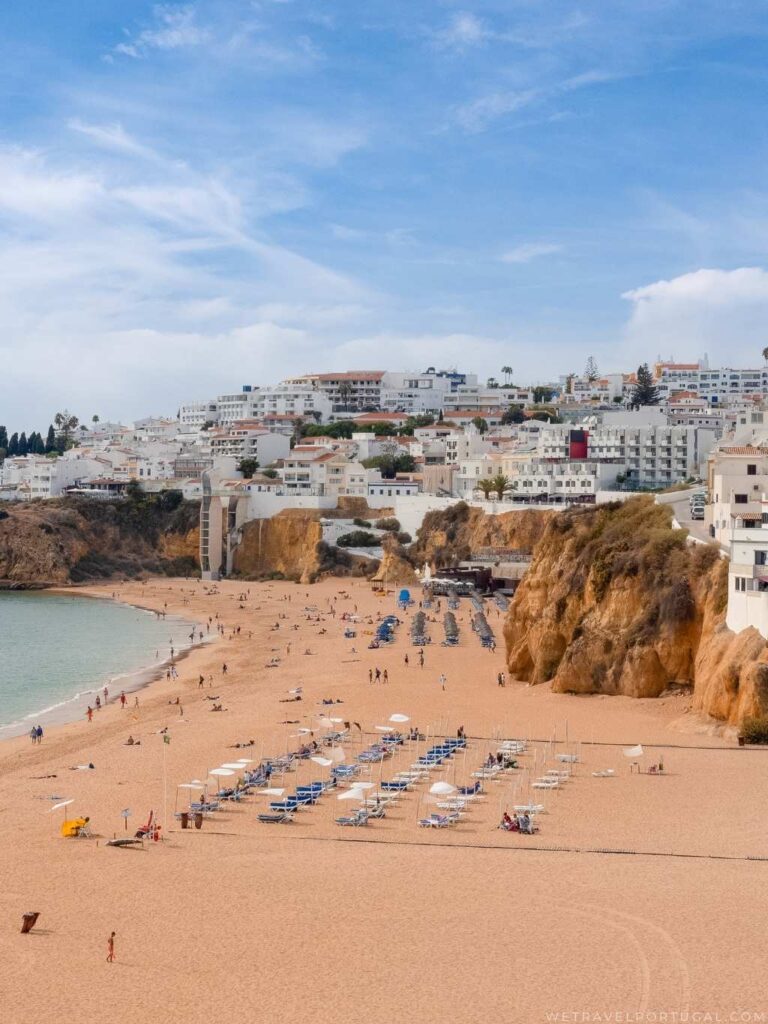
The Central Algarve is the most developed and best-known part of the region. This is where you will find Albufeira, Faro, Loulé, Vilamoura, Carvoeiro, Lagoa and some of the Algarve’s most photographed beaches and cliffs. It has the biggest range of accommodation, resorts, and activities, but also the busiest crowds.
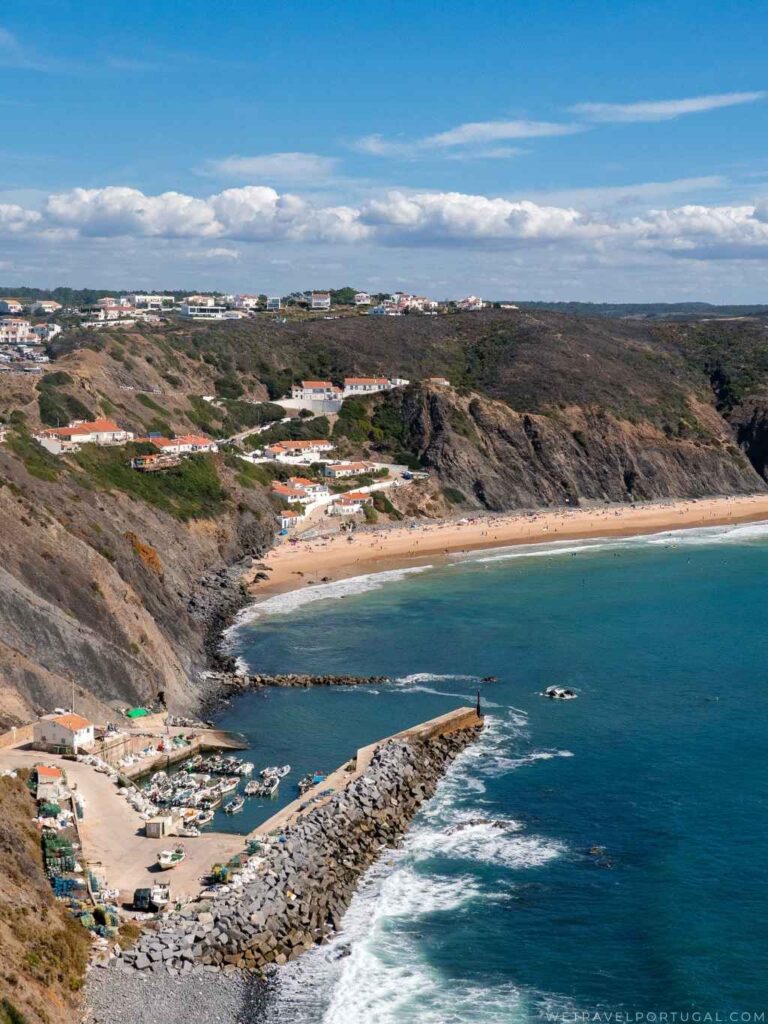
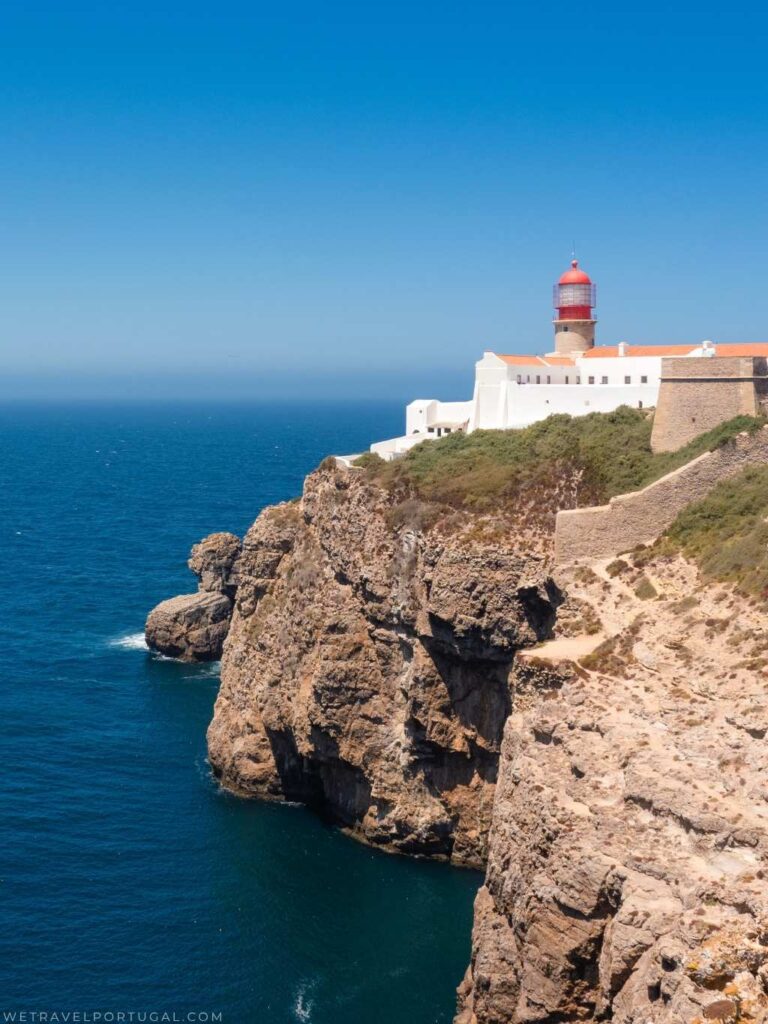
The Western Algarve feels more rugged and Atlantic. Lagos, Sagres, Burgau, Salema, Aljezur and the Costa Vicentina offer dramatic cliffs, surf beaches, coastal walks and a slower pace outside the larger towns. This is the Algarve for visitors drawn to wind, waves, walking trails, and wilder landscapes.
For most travellers, the best approach is not to try to see the entire Algarve in one trip – it’s taken us many years to really understand the region! Choose the area that best fits the kind of trip you want, then explore it properly.
The Eastern Algarve
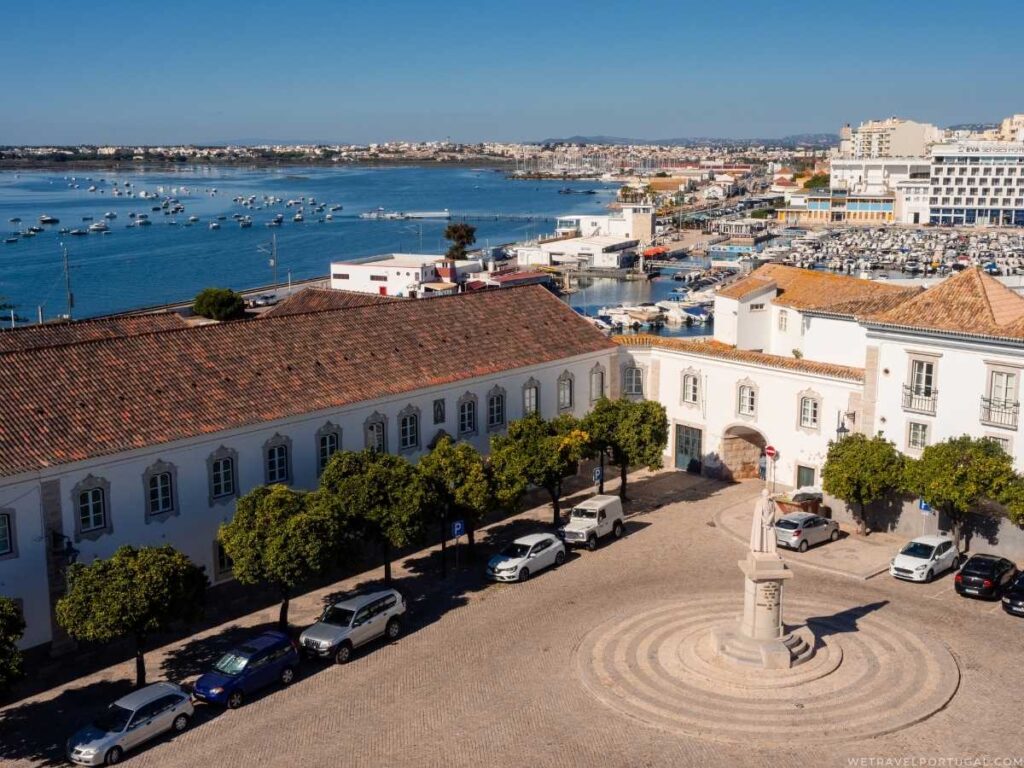
The Eastern Algarve is one of the best parts of the region for travellers who want historic towns, local food, island beaches, and a more relaxed atmosphere.
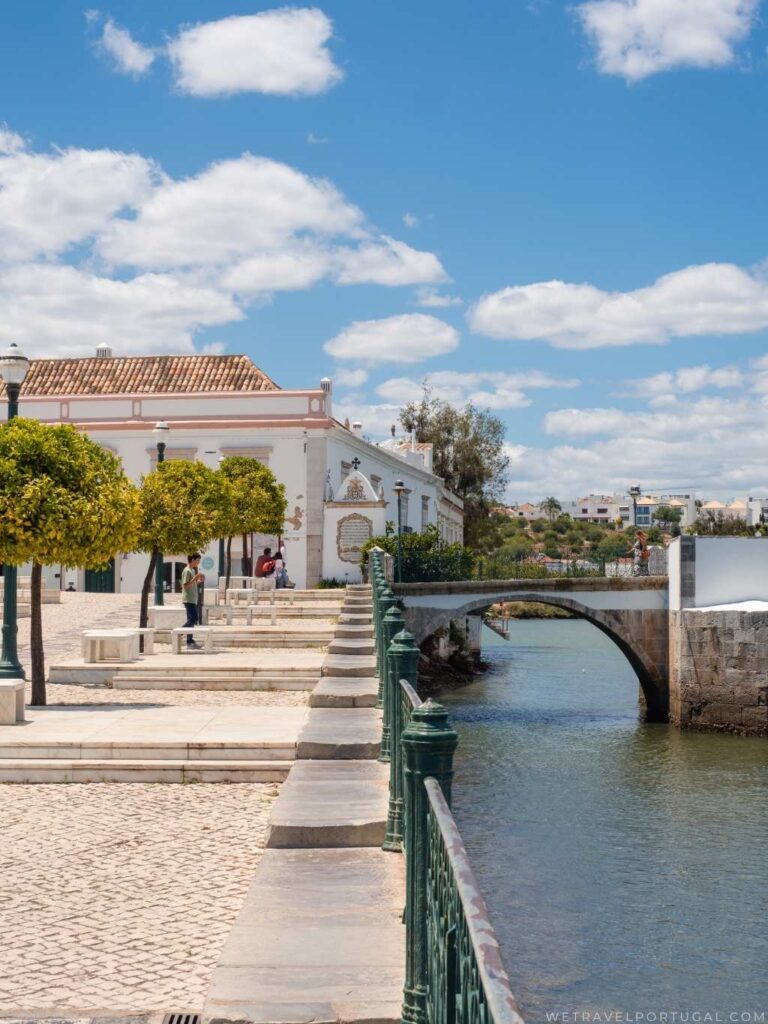
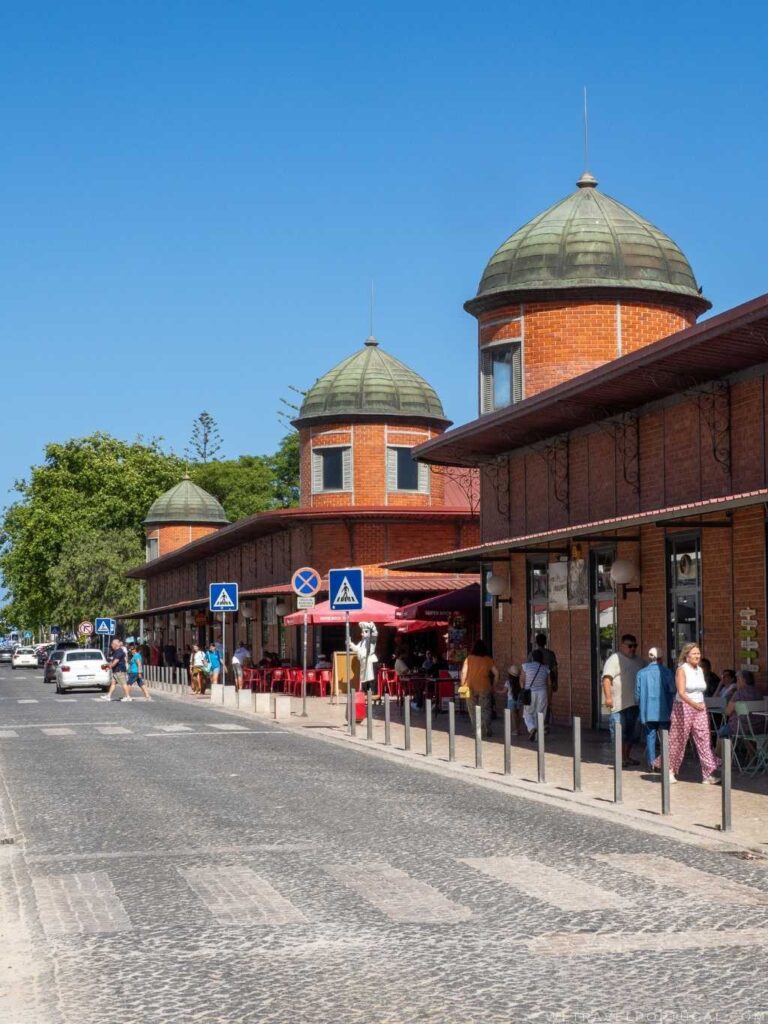
Tavira is one of the Algarve’s most beautiful towns, with tiled façades, churches, a historic riverside centre and it also has its own island – Ilha de Tavira. Olhão is a working fishing town known for its waterfront markets and boat trips to the islands of Armona, Culatra and Farol. Fuseta offers a smaller version of that lagoon-side experience, with easy access and a ferry to its island beach.
Further east, Cacela Velha overlooks one of the most beautiful sections of the Ria Formosa, while Castro Marim and Vila Real de Santo António bring you closer to the Guadiana River and the Spanish border. Inland, places such as Alcoutim, Odeleite and São Brás de Alportel reveal a quieter rural Algarve shaped by rivers, cork, hills and small villages.
The coastal area of the Eastern Algarve is particularly good for car-free travel, as the regional railway links many of the main towns. A car is still useful for inland villages and more remote beaches, but it is not always essential.
Start here: Eastern Algarve Travel Guide
The Central Algarve
The Central Algarve is the part of the region many visitors know. It is home to Faro Airport, some of the Algarve’s busiest resorts and many of its most famous beaches and sights.
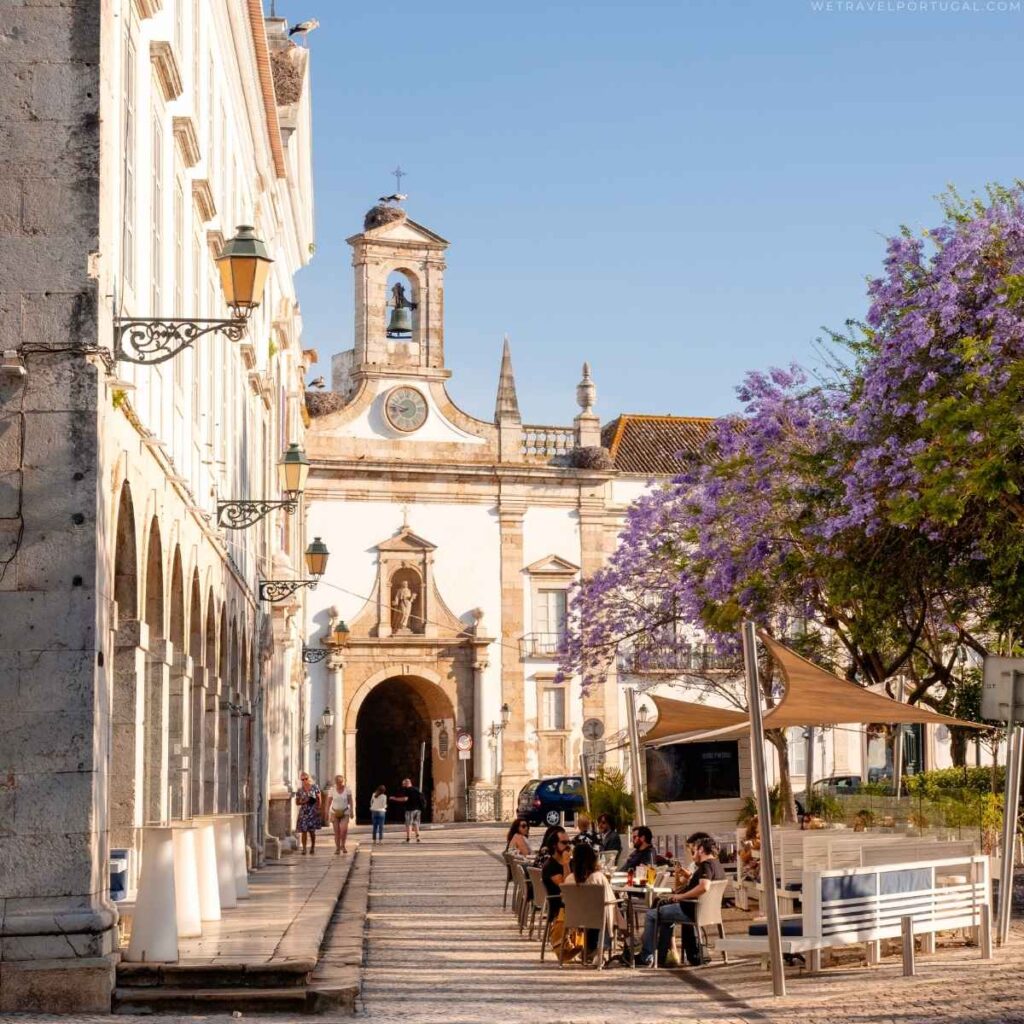
Faro is often treated as a gateway, but its old town, marina, museums and access to the Ria Formosa make it worth more than a quick stop. Nearby Loulé offers one of the Algarve’s best market towns, with a historic centre, covered market and strong craft traditions. Vilamoura and Quarteira provide a more resort-focused experience, with beaches, a marina and a long promenade.
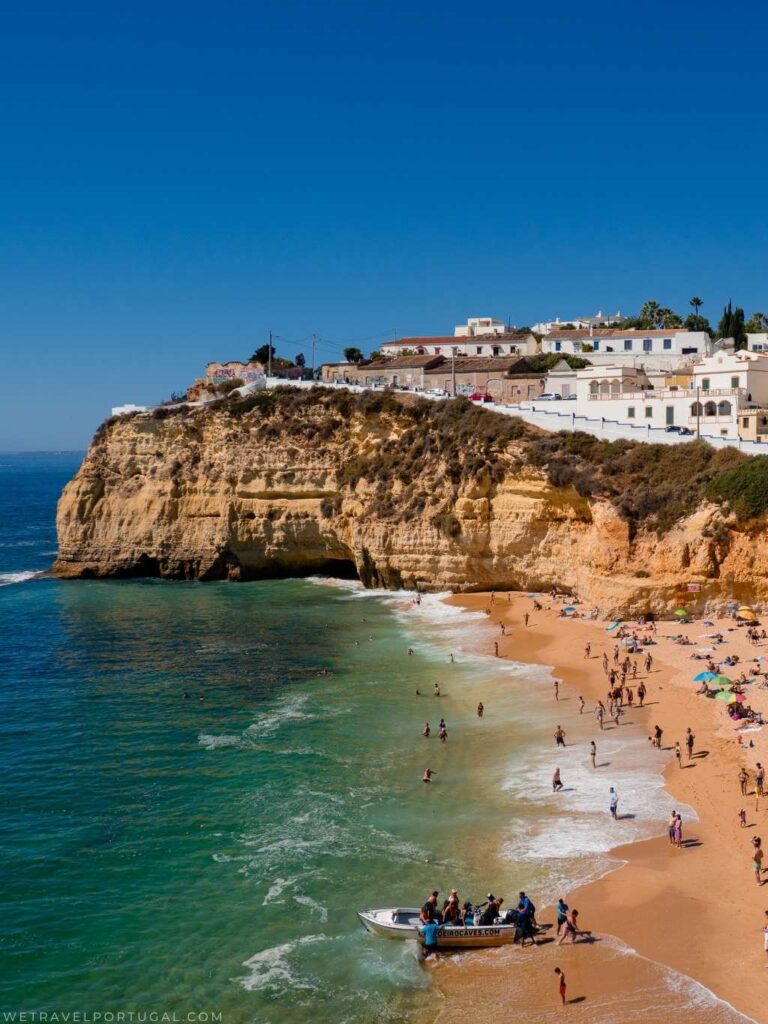
Farther west, Albufeira is one of the Algarve’s busiest and most famous towns. It’s not for everyone, but it has incredible beaches, the busiest nightlife, and a huge range of accommodation. Carvoeiro, Lagoa, and Ferragudo offer access to some of the region’s most dramatic limestone cliffs, including the area around Benagil, Praia da Marinha and the Seven Hanging Valleys Trail.
The Central Algarve is the easiest area for first-time visitors who want lots of facilities, tours, restaurants and beach options close together. It is also the area where you most need to plan carefully in summer (and book long in advance), when traffic, parking and crowds can change the experience.
Start here: Central Algarve Travel Guide.
The Western Algarve
The Western Algarve is where the region becomes wilder. Lagos is the main town, combining a historic centre, restaurants, beaches and boat trips, with easy access to Ponta da Piedade. It is a good base for travellers who want a lively town without staying in the busiest resort areas of the central coast.
Beyond Lagos, the coast becomes much quieter and even more family focussed. Burgau and Salema are small former fishing villages with beaches, whitewashed houses and a slower rhythm. Sagres feels even more different. It is windier, more exposed and shaped by its position at the edge of southwestern Europe. It is a place for cliffs, surf, sunsets and open Atlantic views rather than a conventional resort holiday.
North of Sagres, the Costa Vicentina leads towards Aljezur, Arrifana, Monte Clérigo and Odeceixe. This part of the Algarve is better known for surfing, walking and natural landscapes than for resort infrastructure. The beaches are beautiful, but the sea is powerful and the atmosphere is more Atlantic than Mediterranean.
The Western Algarve is ideal for travellers who like walking, photography, surf beaches and smaller coastal villages. If you want to explore beyond Lagos, and the towns of Praia da Luz, Burgau, then a car is really needed. Once you go beyond Lagos public transport is very limited in this area.
Start here: The Western Algarve Travel Guide
Food and Drink in the Algarve
Almost everyone assumes that the Algarve’s food scene revolves around the sea – and while that is partly true, there is so much more to explore here. From rich meats, smoked sausages, and local produce to regional wines, spirits, and decadent desserts and pastries. The variety on offer is incredible. Grilled fish and seafood are a must, but make sure to explore everything this region has to offer.
The eastern Algarve is strongly shaped by the Ria Formosa, seafood, salt production, shellfish and fishing traditions are at the centre of its food culture. Inland, the food changes. Carob, almonds, figs, oranges, olive oil and pork appear in traditional sweets, savoury dishes and local products. Loulé, São Brás de Alportel, Monchique and smaller inland villages are good places to look beyond the beach-restaurant version of the Algarve. The town of Guia is the legendary birthplace of charcoal-grilled frango piri-piri and is one of the best places to sample this dish.
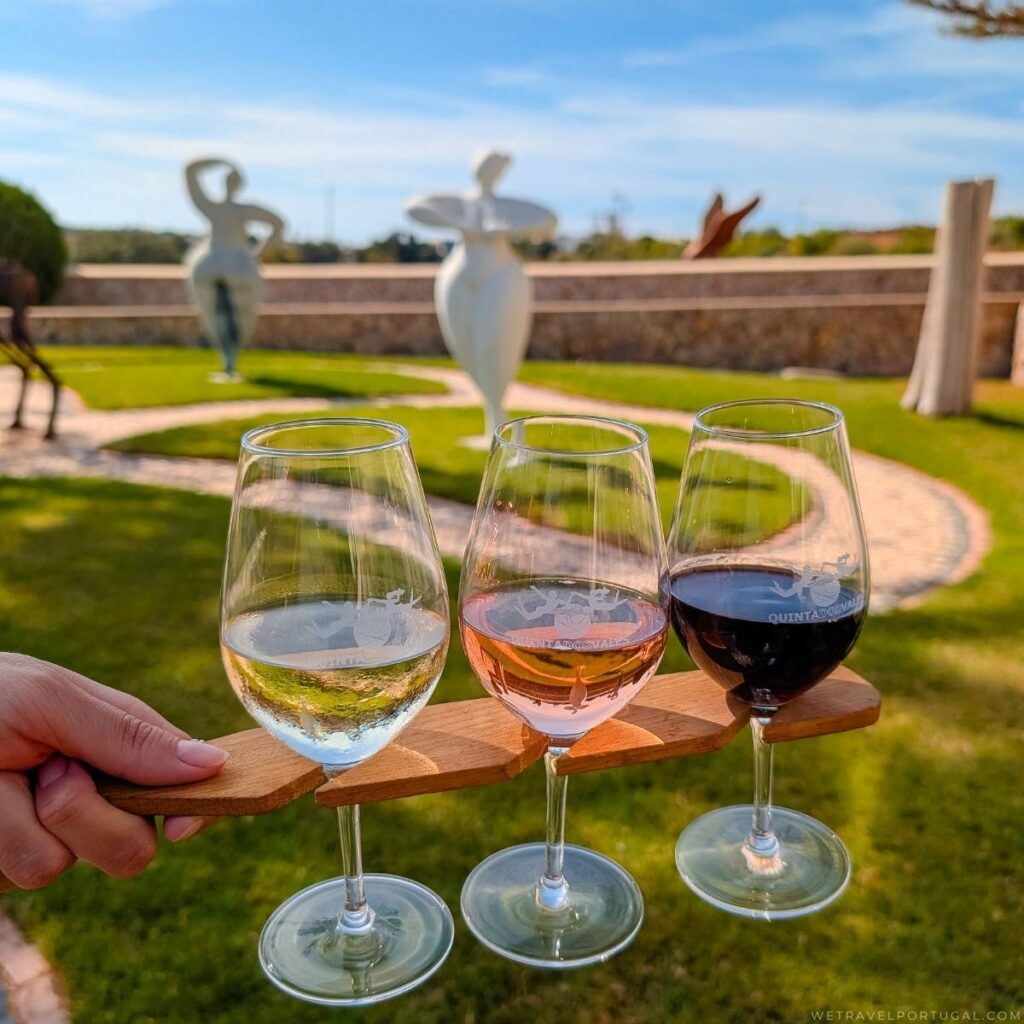
The Algarve is also a recognized wine-producing region, boasting four distinct protected DOC (Denominação de Origem Controlada) subregions: Lagoa, Portimão, Tavira, and Lagos. Sampling the local wine is a fantastic way to savor the unique climate and terroir of the area. Algarve wines are increasingly worth seeking out, especially if you visit the boutique estates or dine at local restaurants that highlight regional bottles.
The Best Place for First Time Visitors to the Algarve
The most all round destination in the Algarve is Lagos. It really combines everything that the Algarve is famous for – stunning beaches, golden cliffs, boat trips, a historic town, and a small slice of the holiday hustle and bustle that tourists love.
You’ll find a wide range of accommodation, and some great food. With a train station, and direct buses from Lisbon it is easily accessible, and there’s enough to see and do for a long weekend. With a car, or through booking tours, you can easily extend the trip and venture to Sagres, Silves, and Monchique, giving you some other flavours of the Algarve.
Explore More: Lagos Travel Guide: What to See, Do, and Eat!
Tavira, if you prefer slower travel
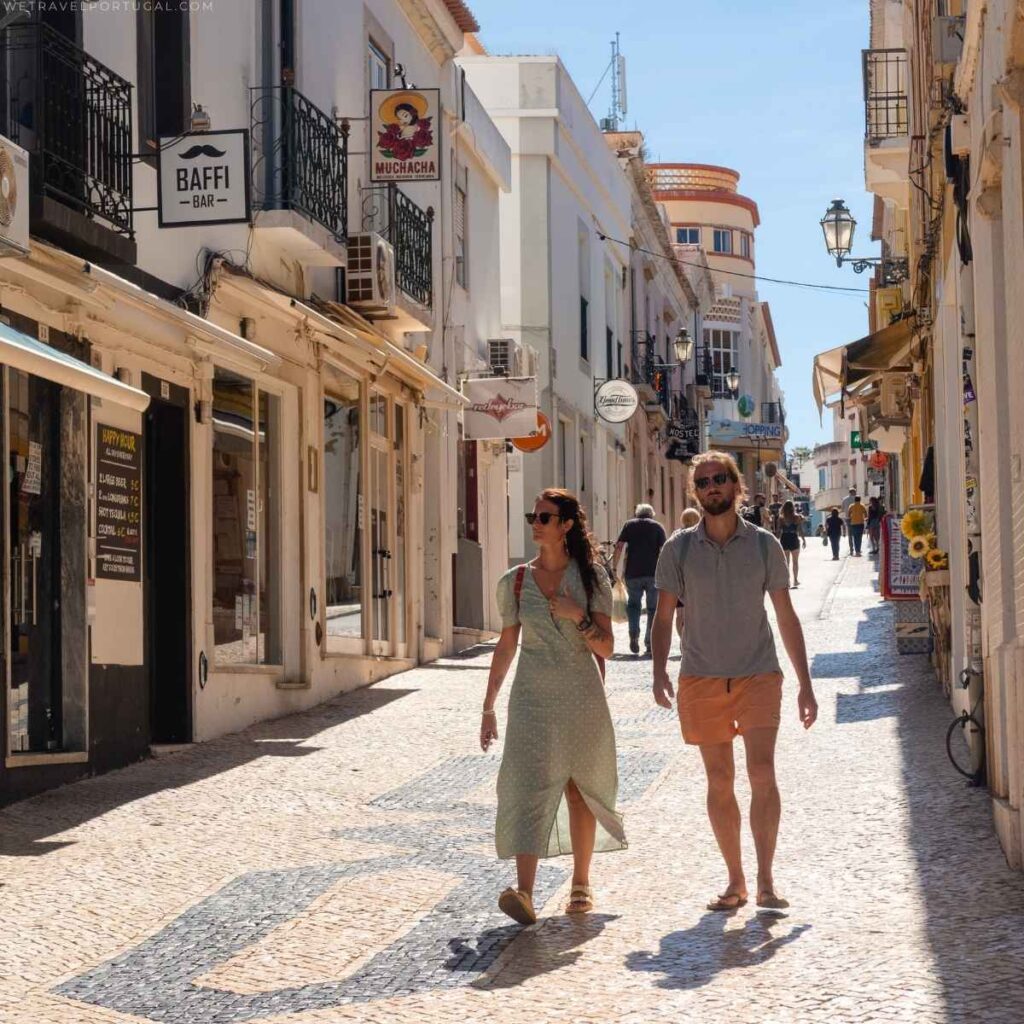
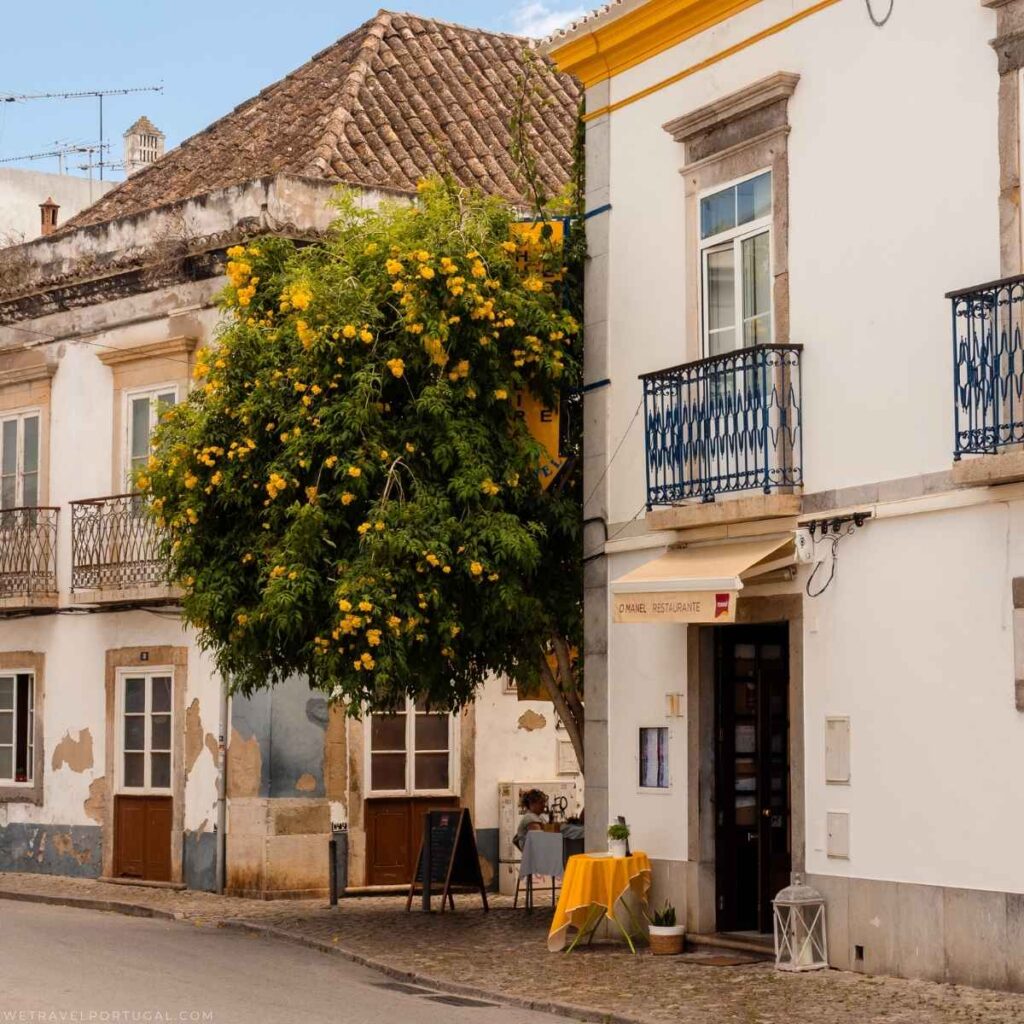
If you already know you want a quieter and more traditional slice of the Algarve, then Tavira is our next place. It’s different to Lagos, more slowly paced, and rewards slow travel. Café culture, wine bars, and evening strolls. With the Ria Formosa on the doorstep, it also has some fantastic beaches, but you’ll need to hop on the ferry.
When to Visit the Algarve
Summer is the busiest time in the Algarve, especially from late June to early September. The weather is hot, beach services are fully operating and towns are at their liveliest, but the price of accommodation is at its highest, it can feel crowded, and you’ll find large groups and queues for the most popular activities.
Spring is one of my favourite times to visit. March, April and May bring milder temperatures, blooming wildflowers, great walking conditions and a calmer atmosphere. You need to be brave to go for a dip in the sea but the region is excellent for exploring.
Early autumn is another great option. In September and October the weather is still warm enough for beaches, sea temperatures are similar to the summer, and there are fewer crowds. It feels much more relaxed than during the peak summer season. Late September is one of the best periods for combining beaches with towns, food and walking.
Winter is probably the most underrated time to visit. Despite the sizable population of some of its towns and cities, rumours still persist that the Algarve closes or shuts down. The only places that do shut down are the beach concessions, beach bars, and some seasonal services – the rest of the Algarve is open and available for exploring. Towns such as Faro, Tavira, Lagos, Portimão and Loulé remain rewarding. For slow travel, photography, hiking and local food, winter can be a beautiful time to experience the Algarve without the summer rush.
Do You Need a Car in the Algarve?
Something I see time and time again, is people repeating the mantra that you need a car to explore the Algarve. There’s no simple answer, you can explore a lot of the Algarve without a car, and you can explore more of the Algarve with a car. But you do not always need a car in the Algarve. It really depends on where you are staying, what kind of trip you want, and where you want to visit.
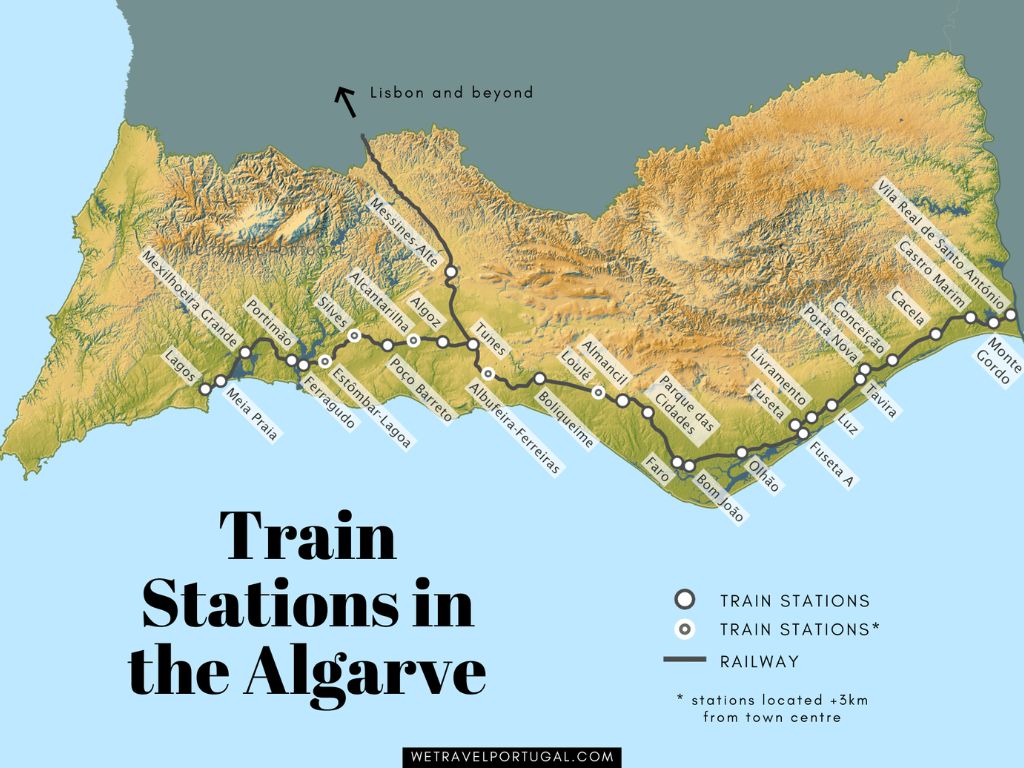
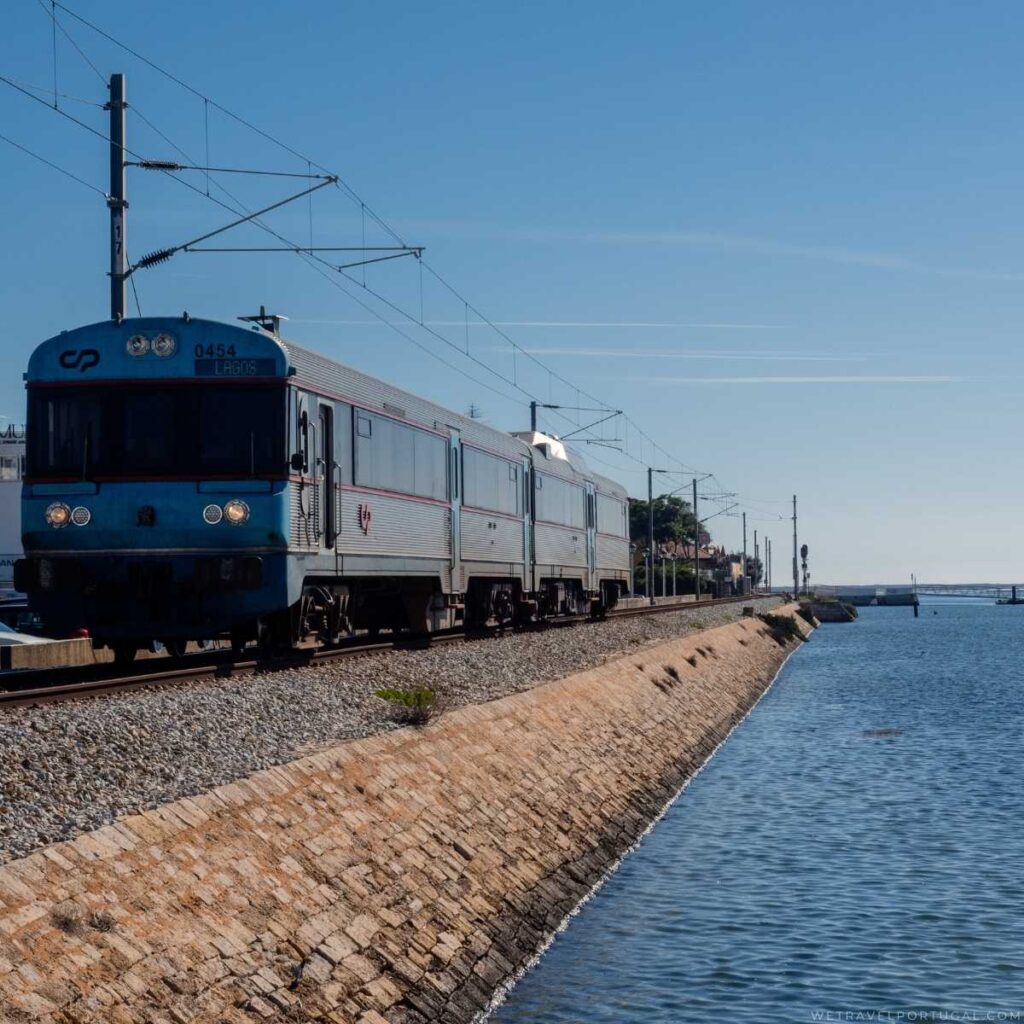
The regional railway connects many towns between Lagos and Vila Real de Santo António, including Faro, Olhão, Fuseta, Tavira and Portimão. It is particularly useful in the Eastern Algarve, where stations often sit reasonably close to town centres. The railway is less useful in the central region – many of the stations sit several kilometers outside of the towns they serve (looking at you Loulé, Silves, and Albufeira).
Buses fill some gaps, but they can be slower and less convenient, especially for beaches, villages and rural areas. If you want to explore inland towns, the western coast, small beaches or multiple places in one day, a car will make the trip much easier.
For a car-free Algarve trip, base yourself in Faro, Olhão, Tavira or Lagos and plan around trains, ferries, walking and occasional taxis. For a road trip, avoid trying to cover the whole region too quickly. The Algarve is not huge, but its best places deserve more than a quick stop.
Where Do You Need a Car to Explore?
The simple answer here is inland, the western Algarve coast, and for small villages and beaches between the bigger towns and cities. The railway line stops at Lagos, so to reliably go further west – Salema, Burgau, Sagres, and the Vicentine coast a car is needed to give you the freedom and flexibility to explore.
Similarly, inland Monchique, Silves, Alte, São Brás de Alportel, Alcoutim – to reach these destinations a car is great. Buses are too few and far between to get the most out of them. That’s not to say that you can’t access these destinations without a car, but it’s much more difficult and requires a lot of planning.
Getting to the Algarve From Lisbon
Although Faro has an international airport one of the main arrival routes for international visitors to Portugal is still Lisbon. This means that for many visitors they’ll need to transfer from Lisbon to their end destination in the Algarve.
The Algarve is easily reached from Lisbon by train, coach or car. The Alfa Pendular and Intercidades trains depart from Lisbon and serve destinations including Albufeira, Loulé and Faro, with connecting regional services for Lagos and towns farther east.
Long-distance coaches offer direct routes to an even wider range of destinations (Lagos, Albufeira, Faro, and Tavira). Driving is a reasonably simple and quick journey (2 and a half hours from Lisbon to Faro if you take the direct route). Driving also gives you greater flexibility once you arrive.
We usually recommend the train for a straightforward journey between major towns, but a car is more useful if your plans include smaller villages, remote beaches or several different parts of the region.
Start Planning Your Algarve Trip
The Algarve is easy to enjoy, but it becomes far more interesting when you treat it as a varied region rather than a single beach destination. That’s not to say that it can’t function as a simple destination – thousands of tourists visit single towns and hotels for weeklong holidays every year. But to really get to know the Algarve, you need to go deeper.
Start with the area that suits your trip best. Choose the Eastern Algarve for quieter more atmospheric towns, rural experiences, and island beaches. Choose the Central Algarve for cliffs, resort facilities and easy access to the famous sights. Choose the Western Algarve for surf, walking and wilder Atlantic landscapes.
Explore more:
- 7 Day Algarve Itinerary – A Perfect 7 Day Algarve Itinerary
- The Ultimate Lisbon Algarve Road Trip – Routes and Plans
- Algarve Trains: The Complete Guide to Trains in the Algarve
- The Best Food And Drink Experiences in the Algarve – A Gourmet Guide
- Algarve Wine Tasting and Tours – The Best Wine Tastings in the Algarve
