
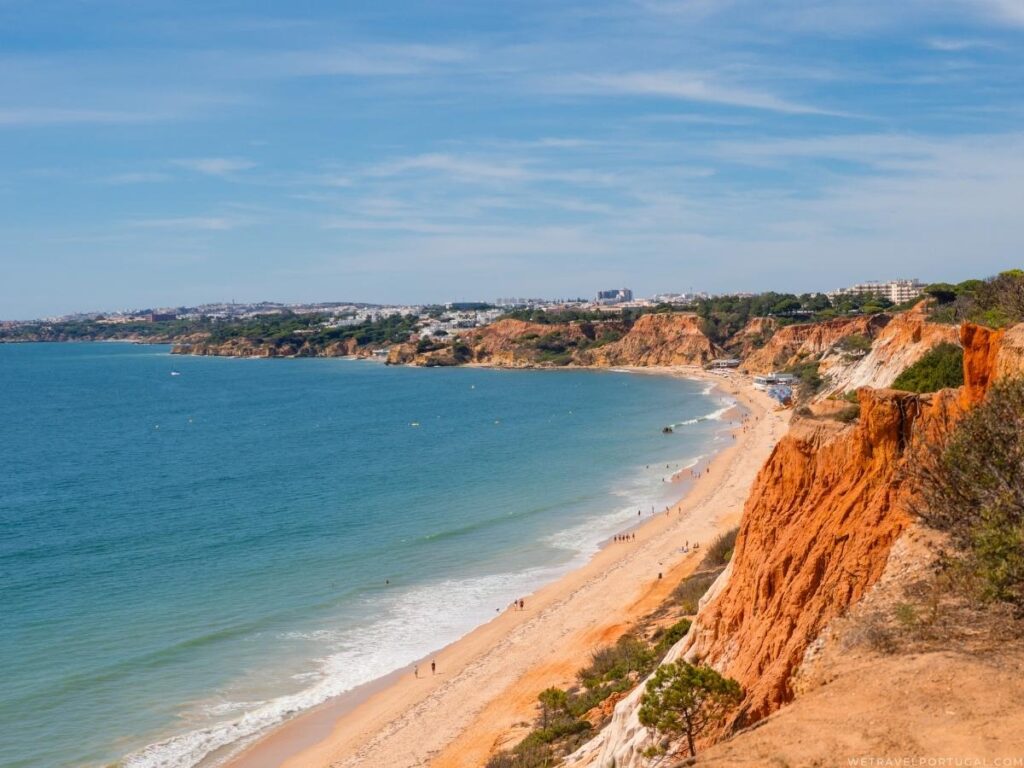
The Central Algarve is one of the most popular and most visited regions of the Algarve. Busy resort towns, dramatic limestone cliffs, marinas, market towns, and some of southern Portugal’s most photographed beaches. It is the most developed part of the Algarve, but it also contains historic centres, fishing villages, inland towns, and coastal walks that reward visitors who want to explore beyond the resorts.
Putting the Central Algarve on the Map
The Central Algarve typically covers the area between Faro and the Arade estuary around Portimão, and includes Loulé, Quarteira, Vilamoura, Albufeira, Lagoa, Carvoeiro, Ferragudo and Silves. It is the Algarve’s busiest and most developed stretch, but also one of the easiest areas to explore because of its transport links, plentiful accommodation options, and high concentration of beaches and attractions.
The Best Places to Visit in the Central Algarve
From Faro and Loulé to Carvoeiro, Silves and Albufeira, the Central Algarve brings together some of the region’s best-known beach towns, historic centres, and inland escapes. The places below offer a useful introduction to the area, whether you are looking for the best beaches, resort facilities, busy markets, culture or easy day trips.
Faro and the Ria Formosa Edge
Faro is the Algarve’s regional capital and main transport gateway, but it is worth more than a quick airport stop. Its walled old town, marina, museums and boat trips into the Ria Formosa make it one of the best Central Algarve bases for travellers who want culture, food and public transport. Of course, it’s also on the door step of the East Algarve, so can make a great base to explore the eastern towns of Olhão, Fuseta and Tavira too!
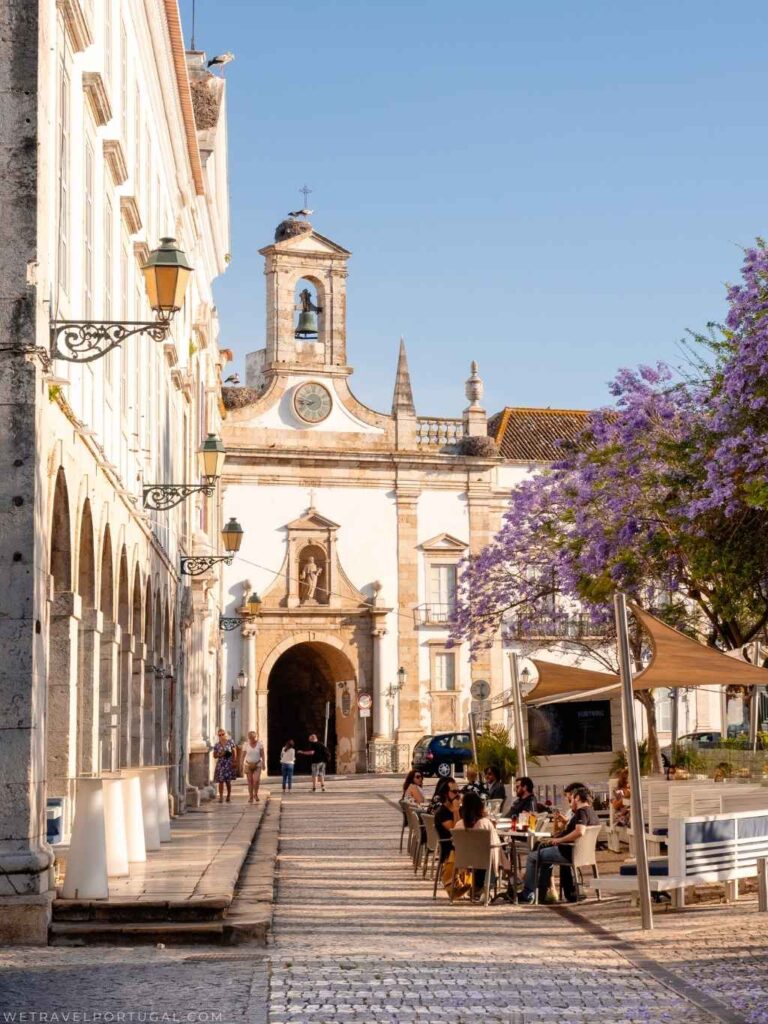
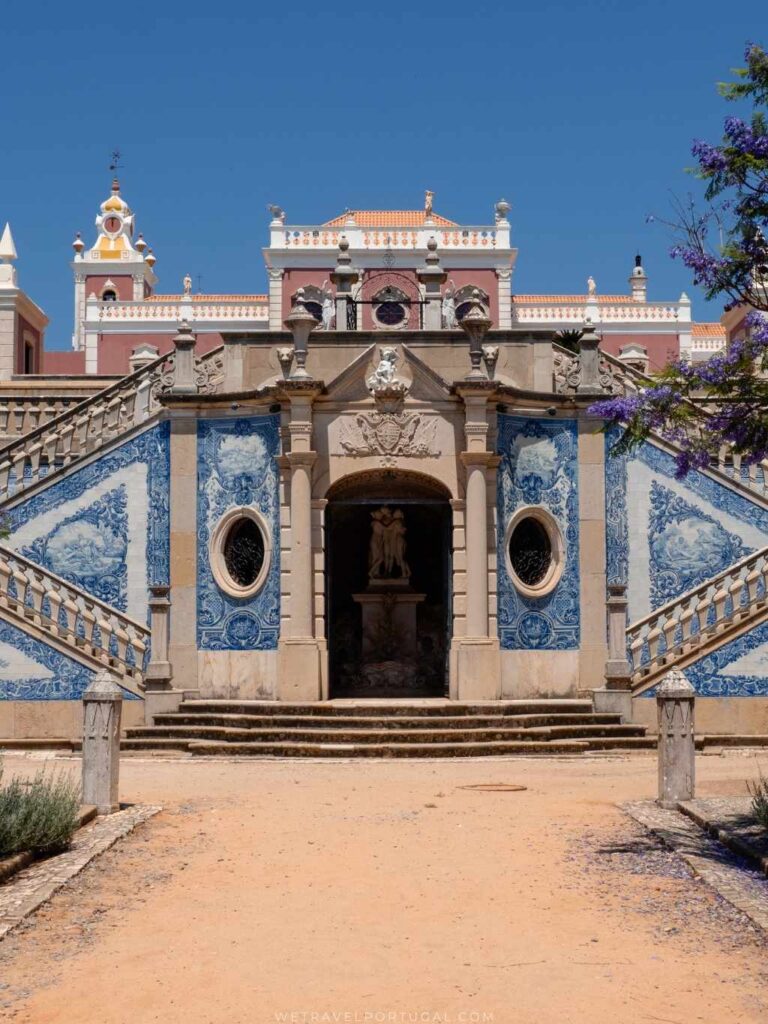
Estoi – is a small inland village north of Faro, best known for its rococo palace and the nearby Roman ruins of Milreu. The Palácio de Estoi is surrounded by ornamental gardens, tiled terraces and decorative fountains, while Milreu preserves the remains of a Roman villa with mosaics, baths and agricultural buildings.
Loulé and the Inland Algarve
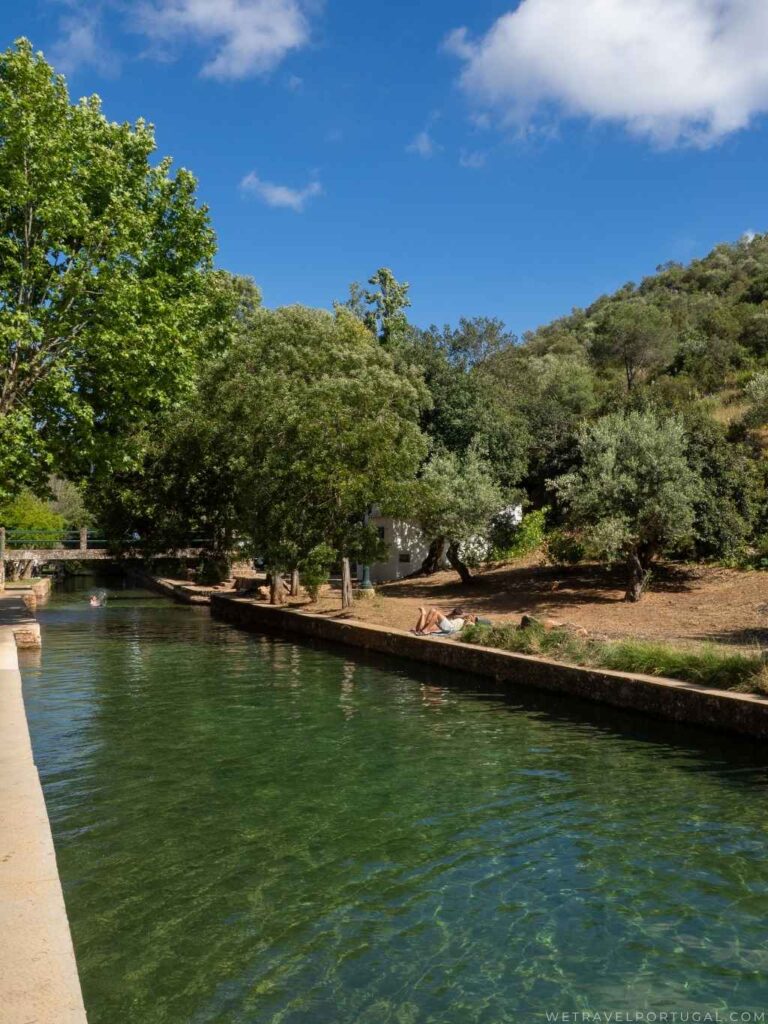
Alte is a small inland village near Loulé, known for its whitewashed streets, traditional houses, freshwater springs, and even a waterfall.. The Fonte Pequena and Fonte Grande are popular local picnic and bathing spots in warmer weather, while the surrounding countryside gives visitors a glimpse of the rural and inland Algarve.
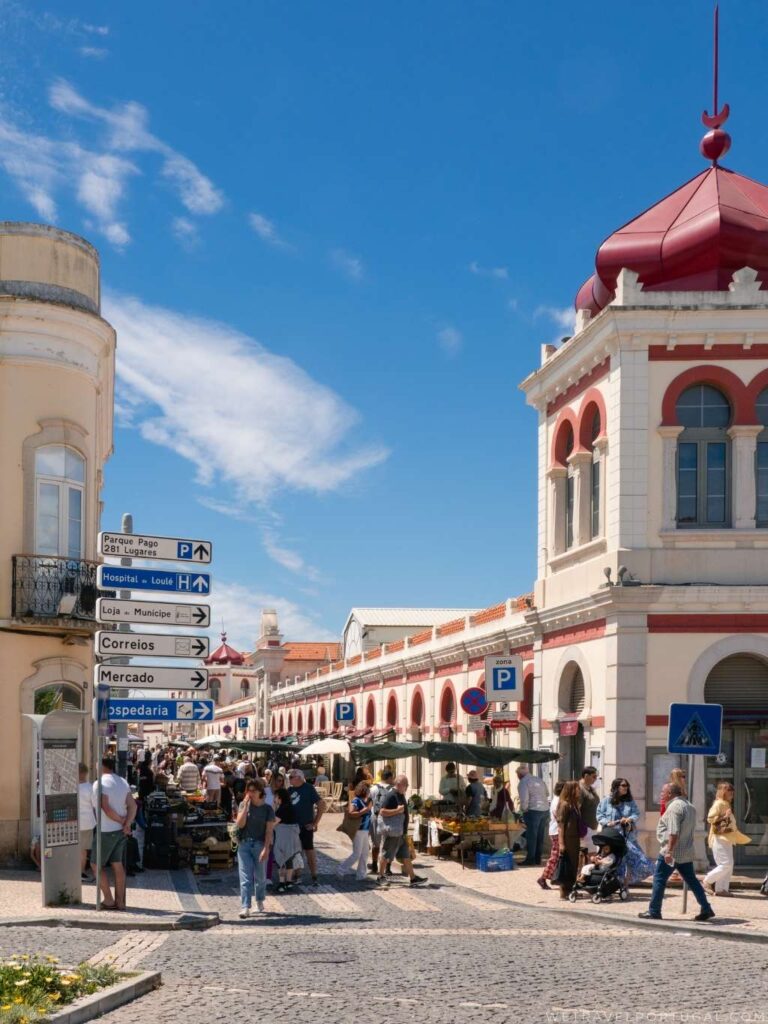
Loulé is one of the Algarve’s best inland towns, known for its covered market, historic centre, castle and craft traditions. Visit on a market day if you can, but leave time to explore the streets, cafés and workshops beyond the market building.
Quarteira, Vilamoura and Albufeira
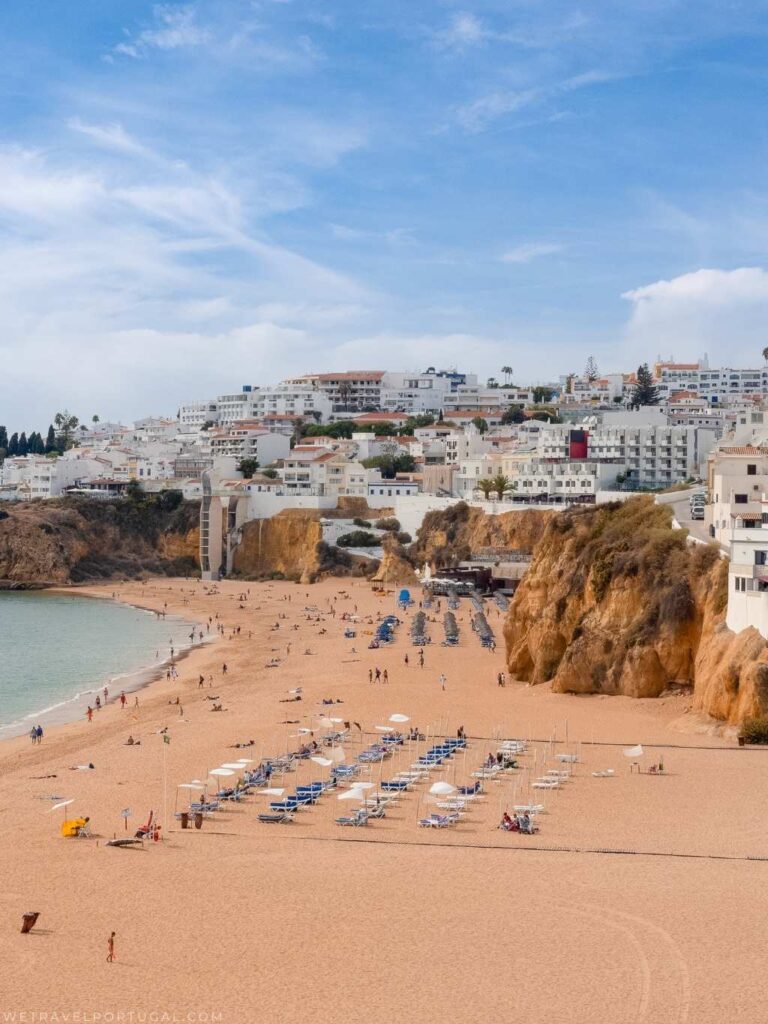
Albufeira – Albufeira is the Central Algarve’s largest and best-known resort town. Its old town still has whitewashed streets, restaurants and direct access to the beach. While the Strip offers the region’s busiest and perhaps most infamous nightlife. It’s not for everyone, but it remains a practical base for visitors who want beach access, tours, restaurants and a lively atmosphere.
Quarteira – Quarteira is often overshadowed by its more popular neighbour Vilamoura, but it offers a more affordable and local-feeling beach base. Its long promenade, sandy beach, fish restaurants and market make it a practical choice for visitors who want facilities without the full marina-resort atmosphere.
Vilamoura – Vilamoura is the Algarve’s most polished resort development, centred on a large marina surrounded by hotels, restaurants, golf courses and bars. It is convenient and well equipped, but visitors looking for traditional Portuguese character may prefer nearby Loulé, Quarteira or Faro.
Armação de Pêra is a long-established seaside town that features one of the Central Algarve’s biggest sandy beaches. Although much of the seafront is now developed, it remains more restrained than nearby Albufeira and works well for visitors who want easy beach access, restaurants and boat trips along the coast.
Guia – Guia is a small inland town between Albufeira and Armação de Pêra, best known for its association with frango piri-piri. It is not a major sightseeing destination, but it makes a worthwhile food stop if you want to try one of the Algarve’s most famous dishes close to its birthplace.
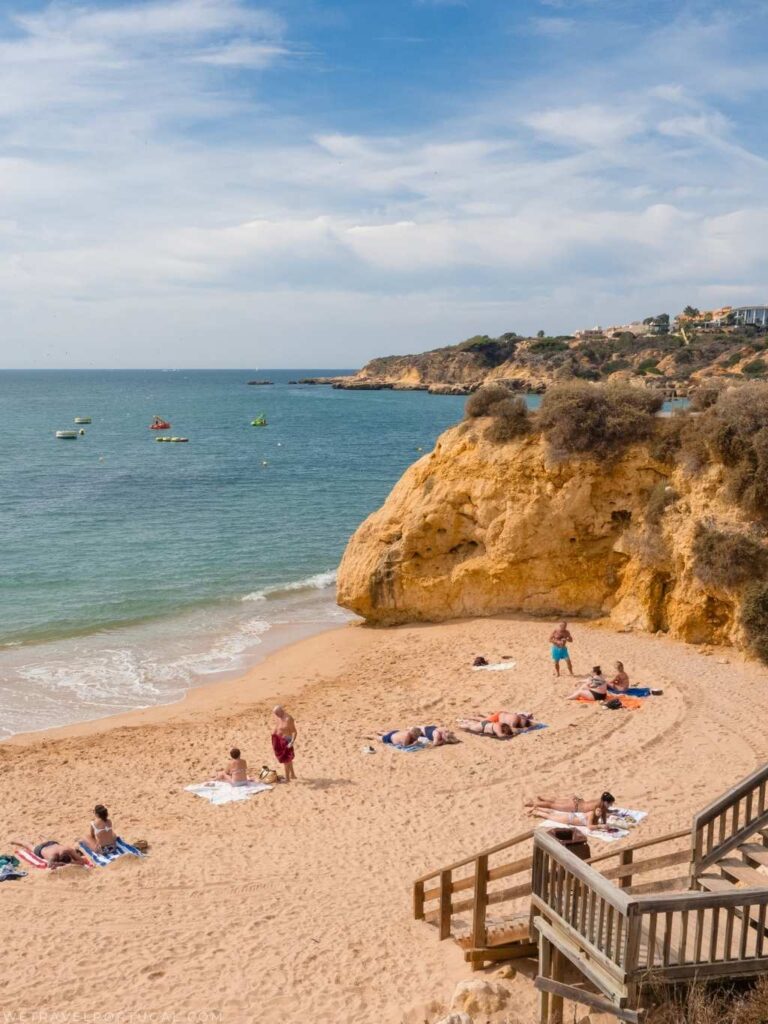
Olhos de Água – Olhos de Água is a former fishing village now absorbed into the wider resort coast between Vilamoura and Albufeira. Its small beach, restaurants and coastal paths make it a quieter alternative to central Albufeira, while still offering easy access to nearby beaches.
Lagoa, Carvoeiro and the Cliff Coast
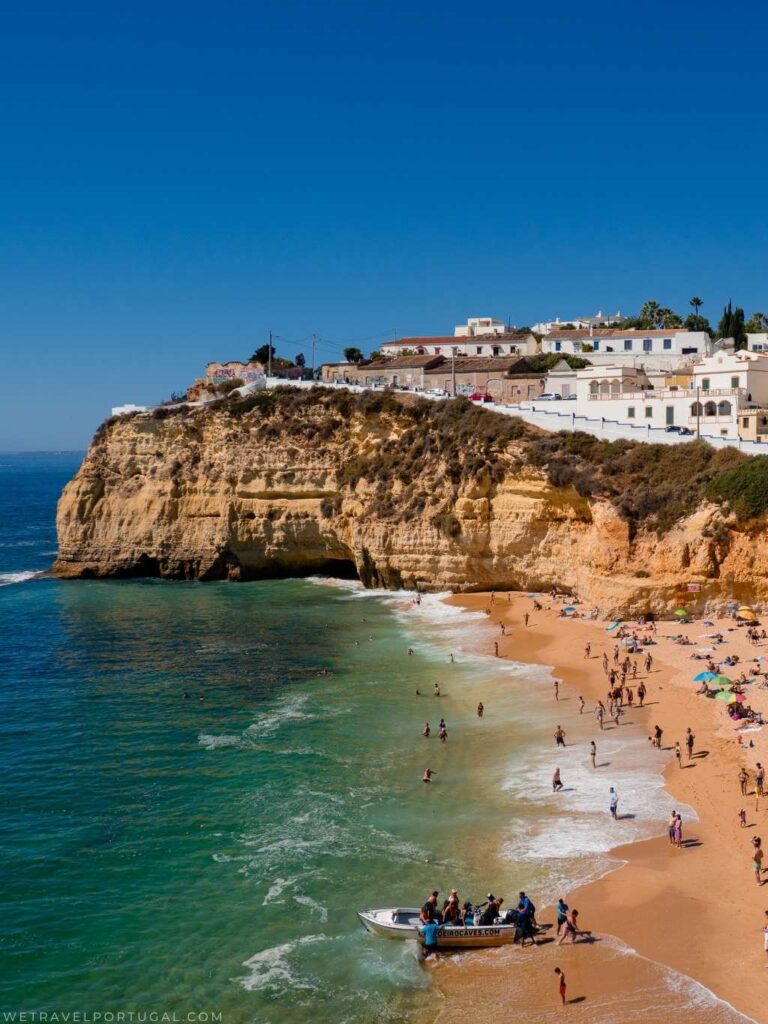
Carvoeiro – Carvoeiro is a former fishing village turned popular coastal town, set around a small beach between golden cliffs. It is one of the best bases for exploring the limestone coastline around Algar Seco, Benagil, Praia da Marinha and the Seven Hanging Valleys Trail.
Lagoa – Lagoa is an inland hill town that’s not far from the coast. It’s a more traditional Algarve experience than many resort towns but still has easy access to the best beaches, water parks and largest shopping centres. It’s also a famous wine producing region in the Algarve.
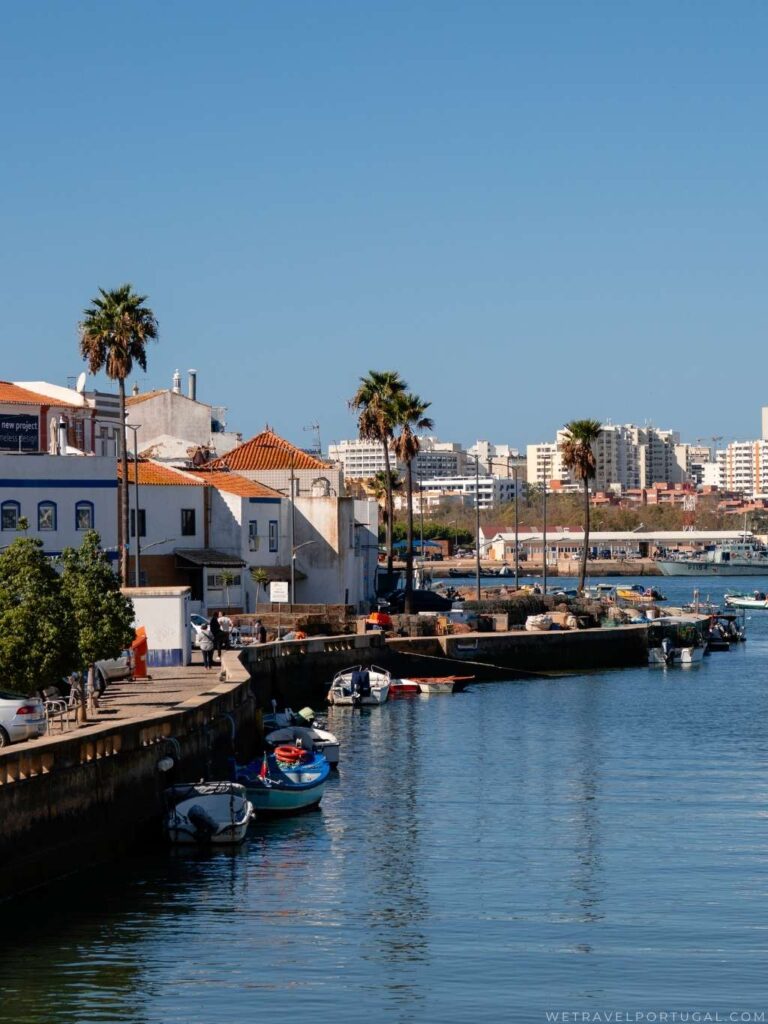
Ferragudo – Ferragudo is a compact riverside village opposite Portimão, with whitewashed streets climbing from the waterfront and beaches nearby. It has become increasingly popular, but still offers a more village-like alternative to the larger resort towns around it.
Silves and the Western Edge of the Central Region
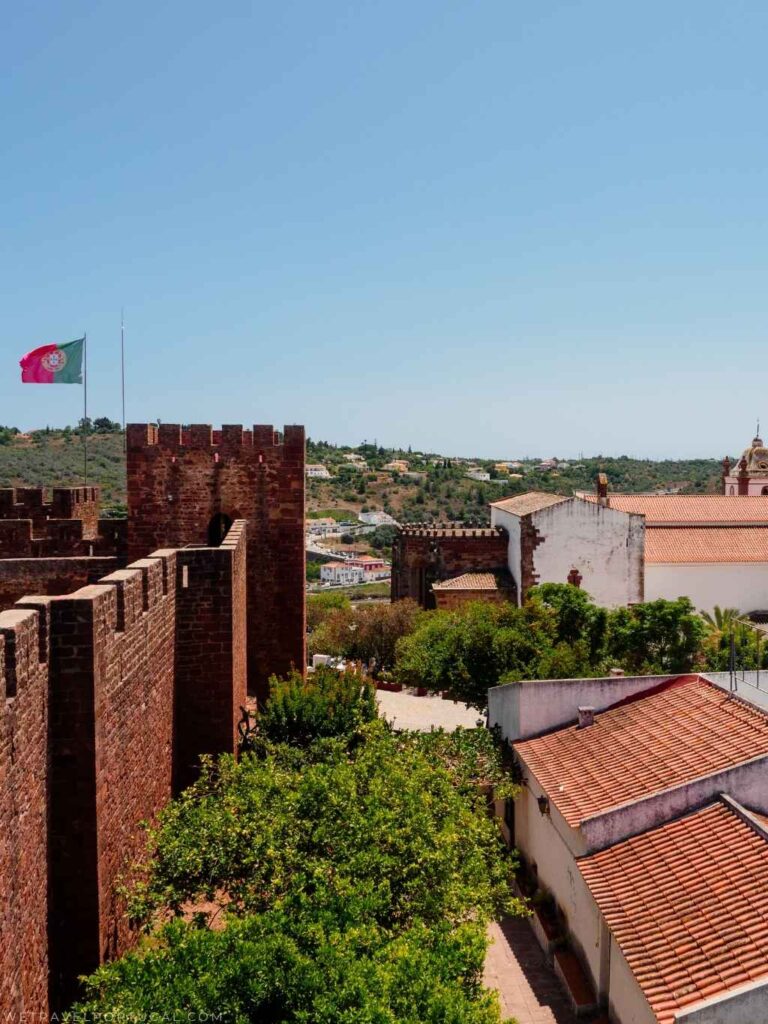
Silves – Silves is one of the Algarve’s most important historic towns, known for its red sandstone castle, cathedral and role as a former Moorish capital. It makes an excellent inland day trip from the coast and pairs well with Lagoa, Carvoeiro or Monchique.
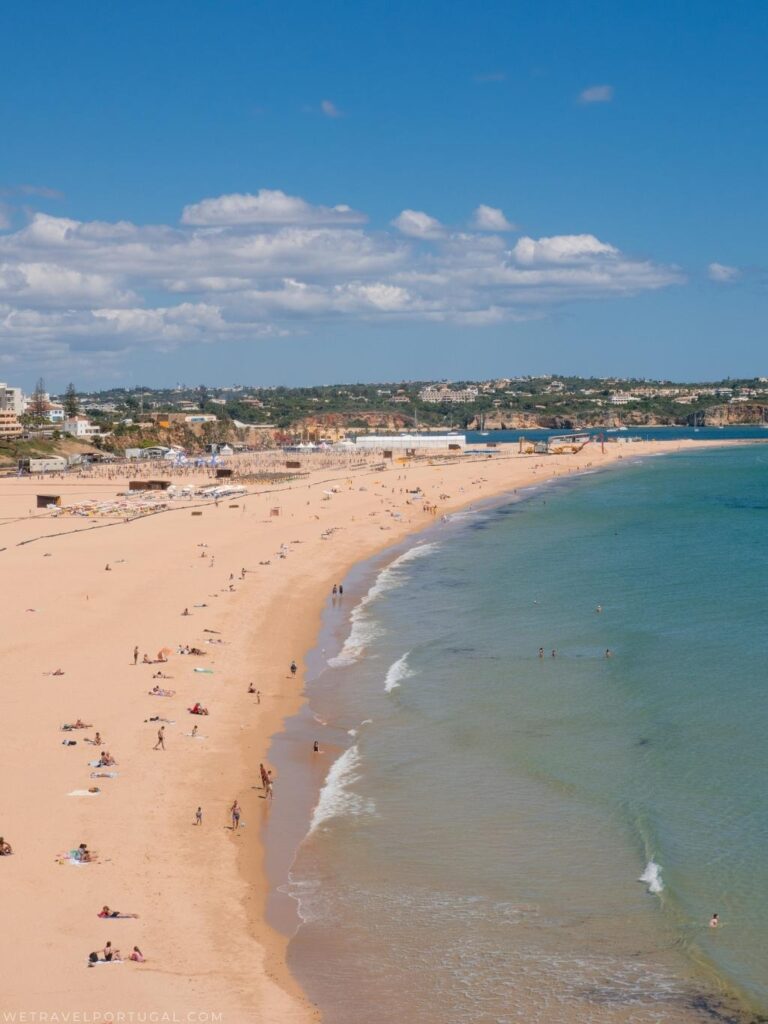
Portimão and Praia da Rocha – Portimão sits at the western edge of what many visitors still treat as the Central Algarve. Yes, it’s tecnically on the wrong side of the river – but it’s development, access, and facilities mean it’s typically seen as part of the Central Algarve. It has two distinct parts: Portimão the city, and Praia da Rocha the beach resort. The city itself is practical rather than especially picturesque, but Praia da Rocha is one of the region’s best-known resorts, with wide sand, dramatic cliffs and a busy seafront.
Best Beaches and Coastal Walks in the Central Algarve
The Central Algarve contains some of the region’s most famous coastal scenery, from long sandy beaches near Quarteira and Albufeira to the limestone cliffs around Lagoa and Carvoeiro. The Central Algarve is the best part of the Algarve for combining beach time with boat trips, coastal walks and dramatic viewpoints.
For scenery, the Lagoa and Carvoeiro coastline is the highlight. For long sandy beaches, look towards Praia da Falésia, Quarteira and Armação de Pêra.
Seven Hanging Valleys and Benagil Cave
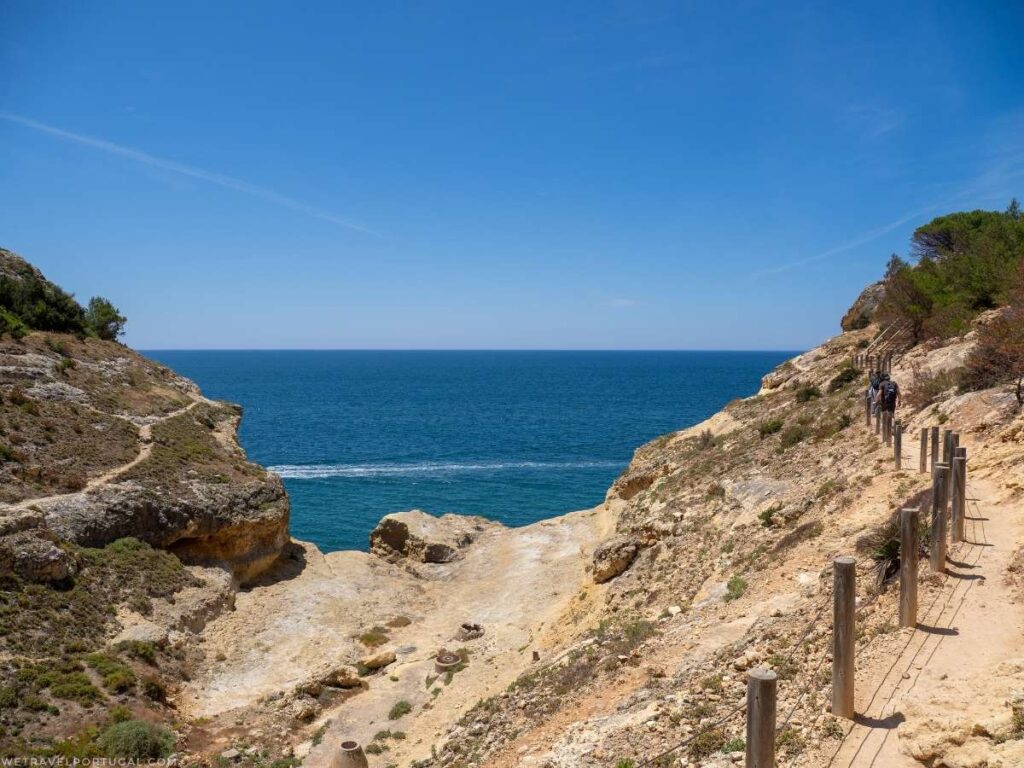
The Seven Hanging Valleys Trail is one of the Algarve’s most spectacular coastal walks, following the cliff tops between Vale Centeanes and Praia da Marinha. Along the route, you pass sinkholes, sea arches, hidden coves and wide views over the limestone coastline that makes this part of the Algarve so distinctive.
Benagil Cave lies on this stretch of coast and is one of the region’s most famous natural landmarks. The Seven Hanging Valleys trails goes right above the cave and gives you a view point from above. To access the cave from below, you’ll need to take an organised kayak or boat trip. The area is extremely popular in summer, so visit early, book tickets in advance, and avoid the hottest part of the day.
Praia da Marinha is one of the Algarve’s most photographed beaches, known for its golden cliffs, sea stacks and clear water. It is also one of the main access points for the Seven Hanging Valleys Trail.
Praia da Falésia
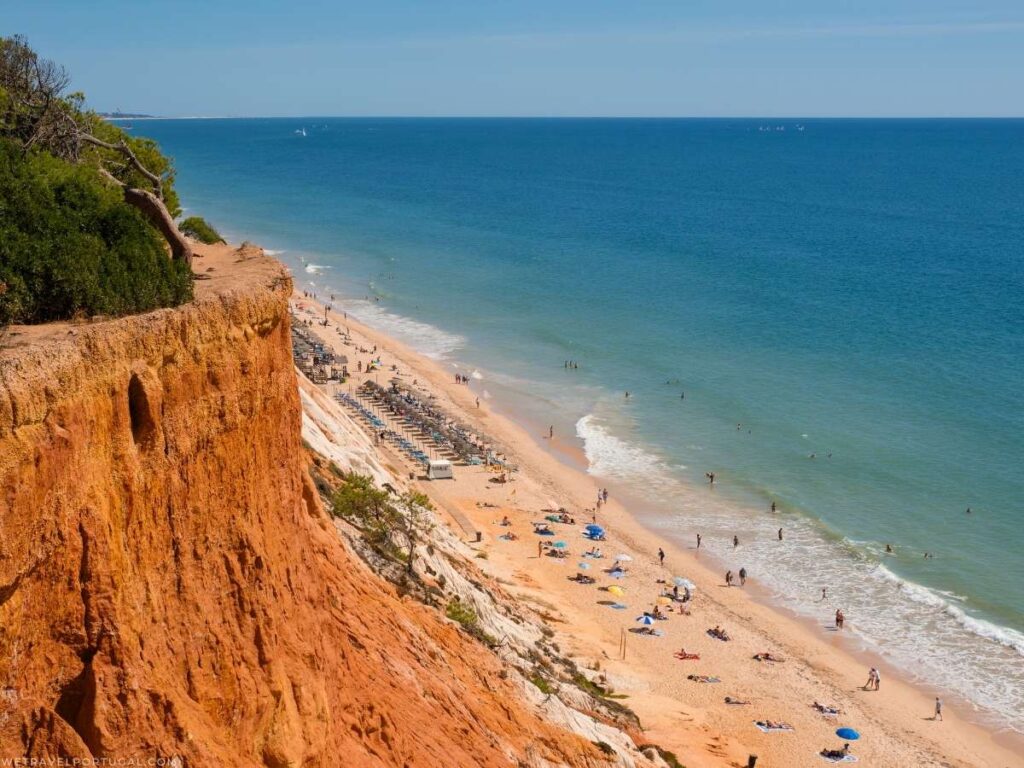
Praia da Falésia is one of the most striking beaches in the Central Algarve, and routinely placed in the top 10 beaches in the world. It’s backed by long red and ochre cliffs between Vilamoura and Olhos de Água. It is excellent for walking, especially outside the hottest part of the day, and offers a very different landscape from the smaller cove beaches farther west.
Algar Seco and the Carvoeiro Boardwalk
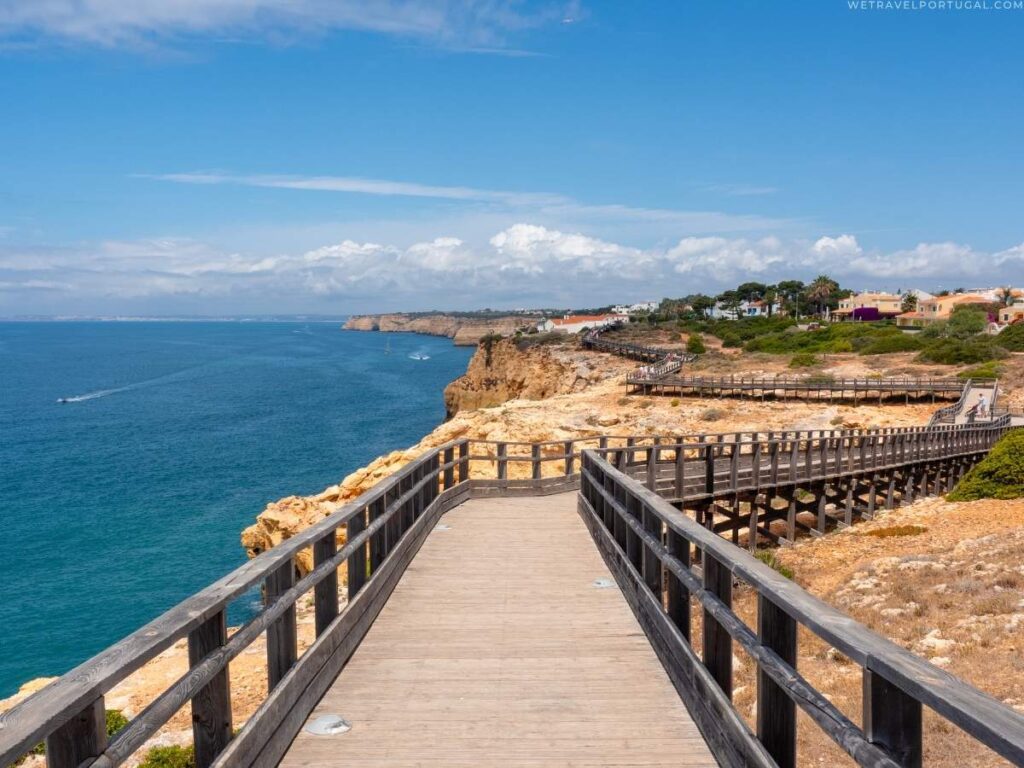
Algar Seco and the Carvoeiro Boardwalk offer one of the easiest ways to experience the Central Algarve’s limestone coastline without committing to a full hike. The boardwalk follows the cliffs east of Carvoeiro, with views, rock formations. For the adventurous you can make a short detours towards the sea.
Classic Beach Resorts and Promenades
Armação de Pêra has one of the broadest sandy beaches in the Central Algarve, backed by a traditional seaside promenade lined with bars, restaurants and ice cream shops. It is a good place for a classic Algarve beach walk, especially in the late afternoon when the seafront becomes livelier.
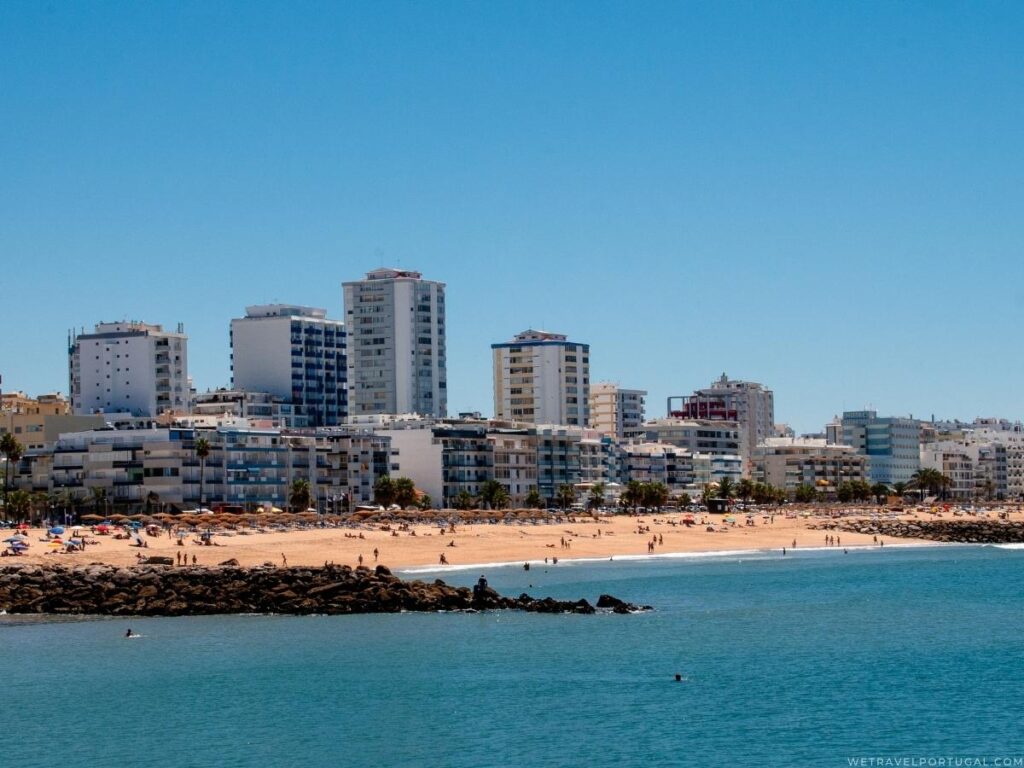
Quarteira offers a similar experience on a larger scale. Its long palm-lined promenade runs beside a wide sandy beach, with cafés, restaurants and fish restaurants facing the sea. It feels more local than nearby Vilamoura, while still offering the easy beach access and relaxed evening atmosphere many visitors look for in a coastal resort.
Our Suggested Central Algarve Itineraries
If you’ve only got one day to spend in the Central Algarve, you should choose between culture and the coastline. Faro and Loulé make a good pairing for markets, historic streets, museums, and local food. While Carvoeiro, Algar Seco and Praia da Marinha offer a more scenic coastal route.
If you’ve got three days, spend one day in Faro or Loulé, one day exploring the coast around Carvoeiro, Benagil and Praia da Marinha, and one day around Albufeira, Quarteira, Vilamoura or Praia da Falésia depending on the style of beach resort you prefer.
With a week, you can use the Central Algarve as a base for a a much wider trip. Combine beach days with visits to Silves, Lagoa wineries, inland villages such as Alte or Querença, and shorter coastal walks. In fact, if you have a week, I’d really recommend going beyond the central region and exploring the east or west Algarve too. A car is useful for this kind of itinerary, especially if you want to connect inland towns, cliff beaches and smaller villages in the same trip.
Food and Drink in the Central Algarve
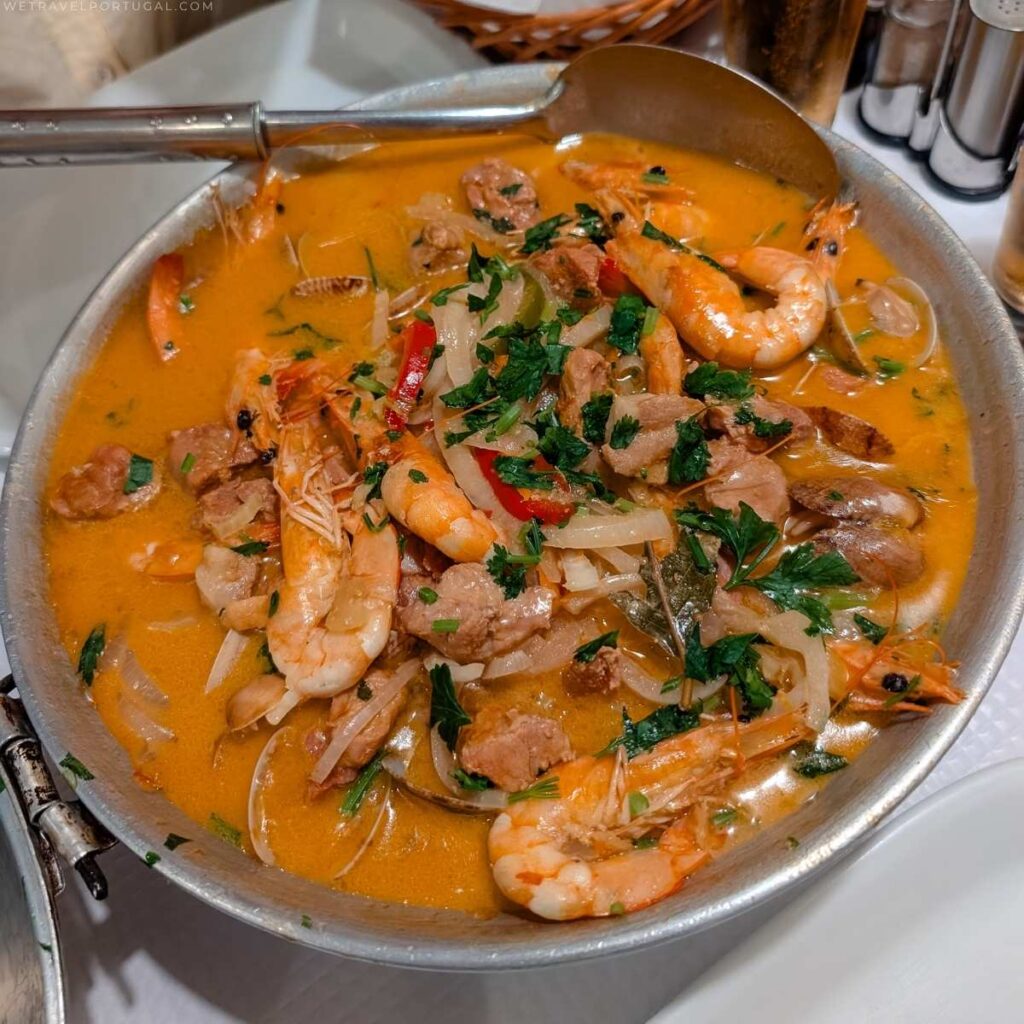
The food of the Central Algarve reflects both the coast and the inland barrocal. In the seaside towns, look for grilled fish, clams, octopus, squid, cataplana and seafood rice (Arroz de Marisco). While inland towns such as Loulé, Alte, and Silves are better places to discover grilled meats, local produce, traditional sweets, olive oil, almonds, figs and carob.
Faro and Loulé both have excellent municipal markets, making them good places to understand the everyday ingredients of the region – if you can visit during a farmers market day. Quarteira is known for its fish market and straightforward seafood restaurants, while Ferragudo, Carvoeiro and Armação de Pêra are great bases for combining seafood with coastal views.
One of the Central Algarve’s most famous food traditions is frango piri-piri, especially around Guia, which is closely associated with the dish. Although now found across Portugal and beyond, it remains one of the most popular local meals for visitors exploring the area between Albufeira and Armação de Pêra.
Wine in the Central Algarve
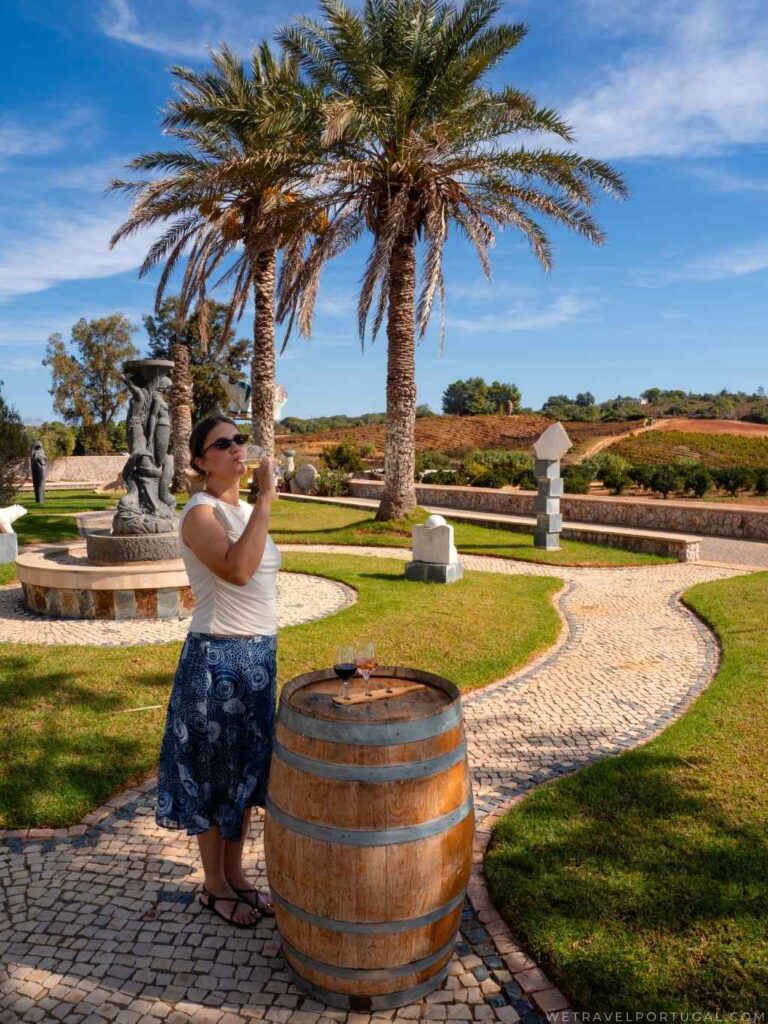
The Central Algarve is also one of the region’s wine-producing areas. Lagoa has a long association with Algarve wine, and several estates in the surrounding area offer tastings and vineyard visits. For travellers interested in food and drink, combining Loulé’s market, Guia’s piri-piri restaurants and a Lagoa wine tasting gives a more rounded view of the region than beach-hopping alone.
Transport in Central Algarve
Travelling around the Central Algarve region is pretty easy, with both simple flight connections to Faro, and a train line running across the region. As well as local bus services! Find out the best ways to travel in the Central Algarve Region below!
Faro Airport – Flying to the Algarve
Faro Airport is the Algarve’s main international airport and the usual arrival point for visitors flying into the region. You just need to consider that Faro airport is around 10 minutes outside of the city, and Faro’s bus and train station are within the city itself. It’s a short ride on a local bus (the no.14 or the no.16). The bus costs €2.35 for single ride and is operated by Proximo. A taxi will cost approximately €10 or it will be a €5-10 uber ride. You’ll need to make this journey to connect to anywhere else by public transport. You should always check current Próximo routes and fares before travelling, as prices and services do change.
Coaches and buses
Buses are useful for towns and beaches not served directly by rail, although timetables can be harder to navigate than the train network. Vamus is the main regional operator, while some shorter routes are run locally by municipalities. Their website does have a searchable map with all the routes and stops listed but it can be tricky to navigate.
Trains and Train stations in the Central Algarve
The major towns of Central Algarve are serviced by train, and even a few of the smaller towns have train stations. Although trains are definitely seen as the scenic and slower route, they are a charming way to discover the Algarve.
There’s a few things to consider though. The train stations themselves are often situated on the outside of the towns they serve. Silves, Albufeira and Loulé get an honourable mention here. All are over 3km away from the towns the train stations are named after, so factor in a long walk, bus or taxi to get into the towns! So you really need to plan and check the times and stations accordingly.

Car Rental in Central Algarve
Car rental is widely available at Faro Airport and in several major resort towns (Albufeira and Vilamoura). A car is not essential for every trip, but it is useful for beaches, inland towns, cliff walks, and multi-stop itineraries where you want to see and do much more.
If you want the freedom and flexibility of renting a car then read our guide to car rental in Portugal. As long as you book in advance and watch out for the extra costs car rental can be an affordable option for you.

Visiting Spain from the Central Algarve Region
The Algarve’s proximity to Spain, means that day trips and overnight stays to explore it are within easy reach. On a longer trip to the Algarve, then visiting Seville (just two hours away from Faro), or Cordoba (just three hours away from Faro) is a great way to really enhance your trip and see the wider Iberian peninsular! Andalucía is a beautiful and historic region of Spain and we can’t recommend it enough, if your budget or time allows. Seville is the vibrant capital of Andalucía and a great place to begin to explore the region, its history, and its cuisine. You’ll find a wide variety of hotels and accommodation, as well as beautiful boutique hotels within the historic city.
There are no trains across the border, but buses are available with several international companies. Alsa, and Flixbus offer a direct service from Faro to Seville for around €20 but can be found as low as €5 if you book in advance. With return trips costing around €30 depending on when you book them. If you opt to take a rental car, just make sure they include the ability to leave Portugal, or you may face some unwelcome charges from your provider!
Is the Central Algarve Worth Visiting?
The central Algarve is one of the most populated, and most popular regions of the Algarve for good reason. It offers some of the best beaches, towns, and resorts in Portugal. It’s just a short distance to both the calmer east Algarve, and the wilder and more rugged west Algarve so its a great base to fully explore the entire region! Compared to the east, and west Algarve, you’ll also find it a year round destination too.
The Central Algarve is a great choice for visitors who want the widest range of beaches, accommodation, restaurants and activities within easy reach. It is also the region’s busiest and most developed area, so choosing the right base matters. Stay in Faro or Loulé for more culture and local life, Carvoeiro or Lagoa for cliffs and coastal walks, Quarteira or Vilamoura for resort facilities, and Albufeira if nightlife and convenience are your main priorities.
Discover More of the Algarve
- The Algarve Travel Guide: Where to Go, What to See
- Discover the Eastern Algarve – East Algarve Travel Guide
- West Algarve: A Travel Guide to the Western Algarve
Find Us In Other Places
