
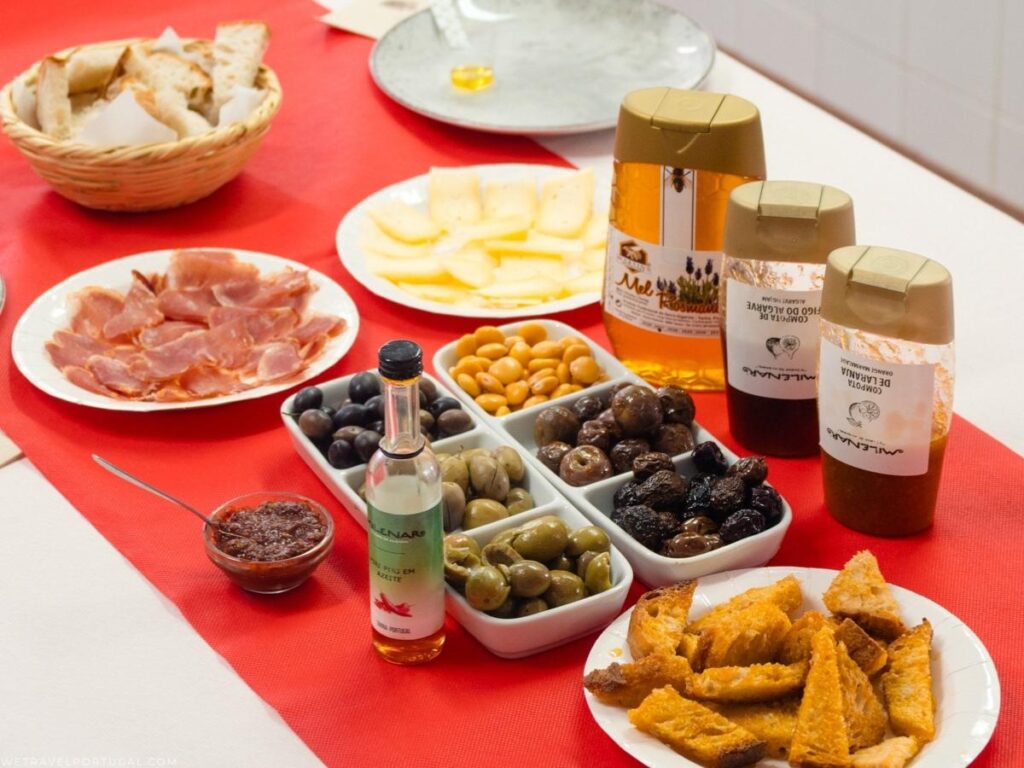
The Algarve is famed for its incredible coastline but look beyond the beaches and you’ll find a thriving gastronomic scene based on thousands of years of history. Of course, the simplest way of experiencing this is within the region’s many incredible restaurants, cafés, and bars. If you want to go deeper, there are farms, vineyards, even local factories, all dedicated to producing excellent local products that often make it into the best restaurants in the region.
My Favourite Food and Drink Experiences Available in the Algarve
The Algarve is a destination that combines a Mediterranean climate, with an Atlantic coastline and this is at the heart of the region’s cuisine. We’ll start with the very core of Mediterranean food – that’s olives, grapes, and grains, although there is much much more to explore in the Algarve.
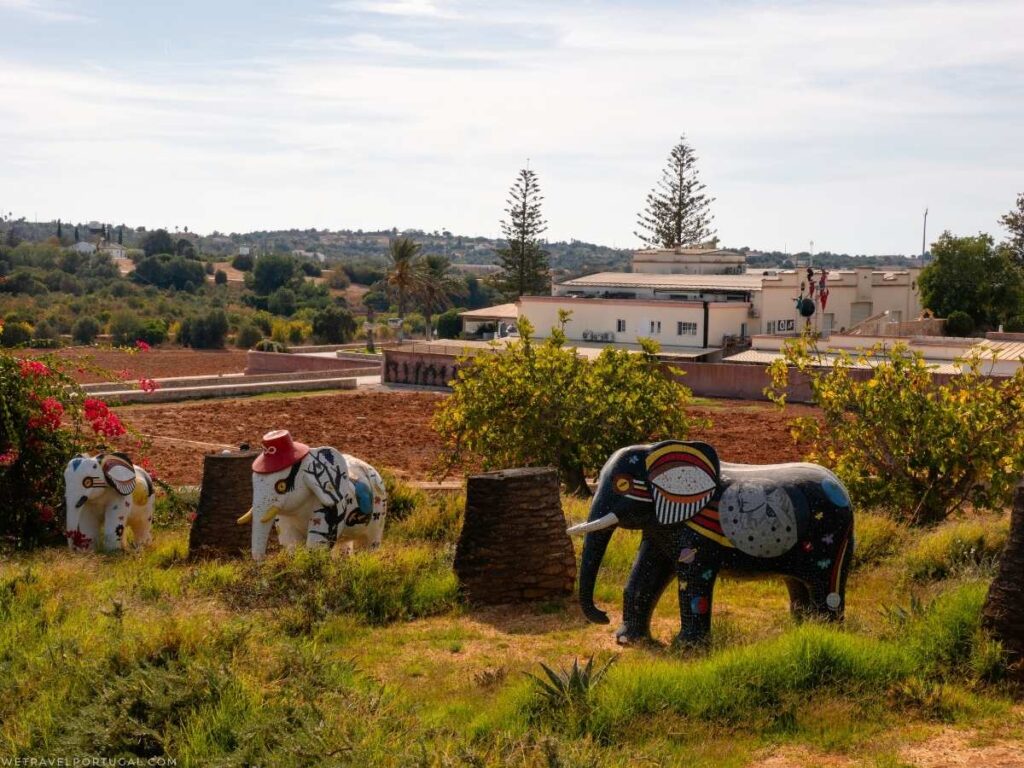
Algarve Wine Tasting and Vineyards
First up, grapes, and the Algarve’s Wine scene. Portugal is famed for its wine, yet the Algarve is one of its lesser-known wine regions. It’s been long overshadowed by the Douro, Alentejo, and Dão, but the Algarve is a growing and fantastic wine region to discover. The official Algarve wine region includes the Designations of Origin of Lagos, Portimão, Lagoa and Tavira. The most practical base for a wine-focused day is the central Algarve, especially around Lagoa, Silves, Estômbar and Porches, where many estates sit within easy driving distance.
Top Vineyards to Visit – Quinta dos Vales
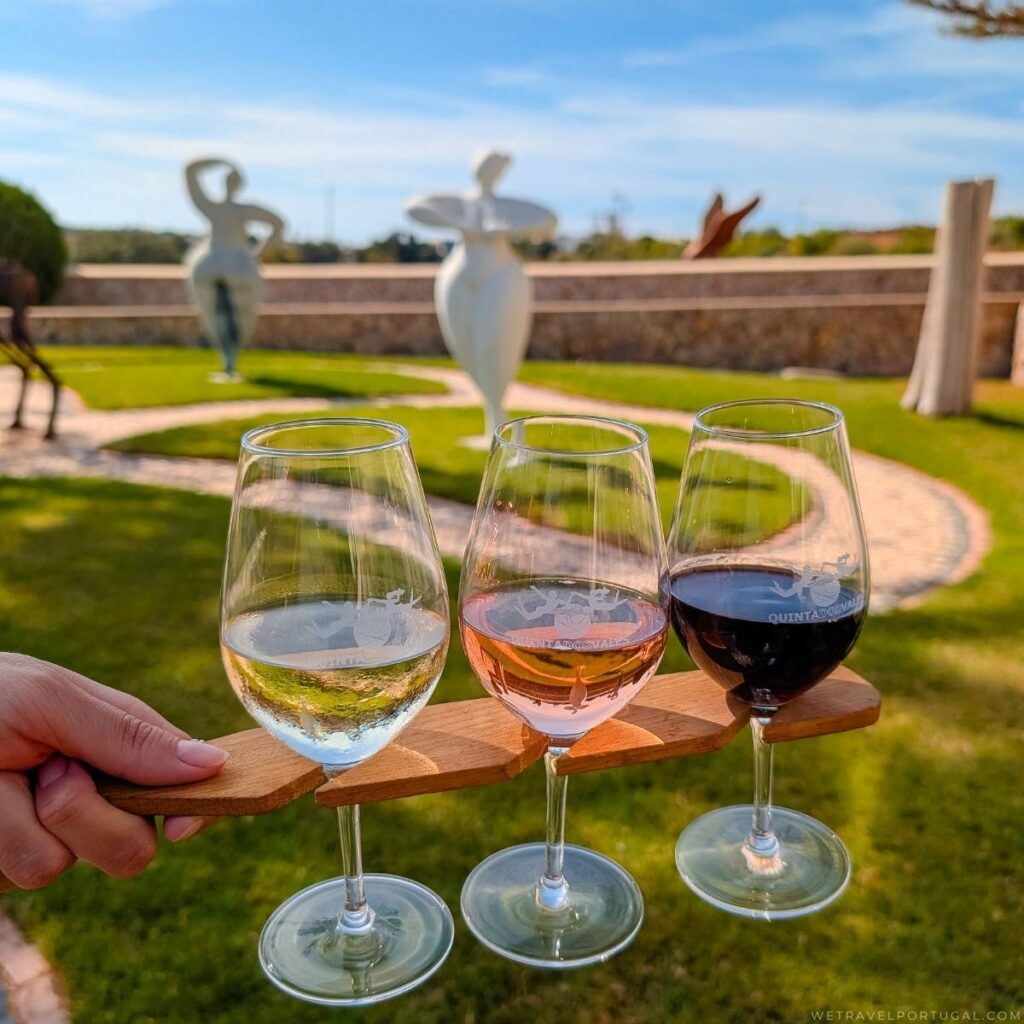
Quinta dos Vales – In Estômbar you’ll find Quinta dos Vales – an estate that combines a vineyard, accommodation, and some incredible art. It’s an amazing space to explore, sculptures are hidden in gardens, terraces, and even parts of the vineyard. It’s also an amazing place to taste Algarve wines! Tastings can be booked in advance, with tours of the vineyard, or you can stop by their shop during operating hours for a ‘flight’ of wines!
Quinta da Tôr – Located approximately 6 km (a 10-minute drive) from Loulé, Quinta da Tôr specializes in regional Algarve wines. While wine production on the property dates back to the 15th century, the vineyards and winery were fully modernized in 2011. Today, they produce 100,000 bottles annually from seven different grape varieties. Wine tastings and estate tours can be booked directly through their website.
Olive Oil – Exploring the Algarve’s Olive Groves
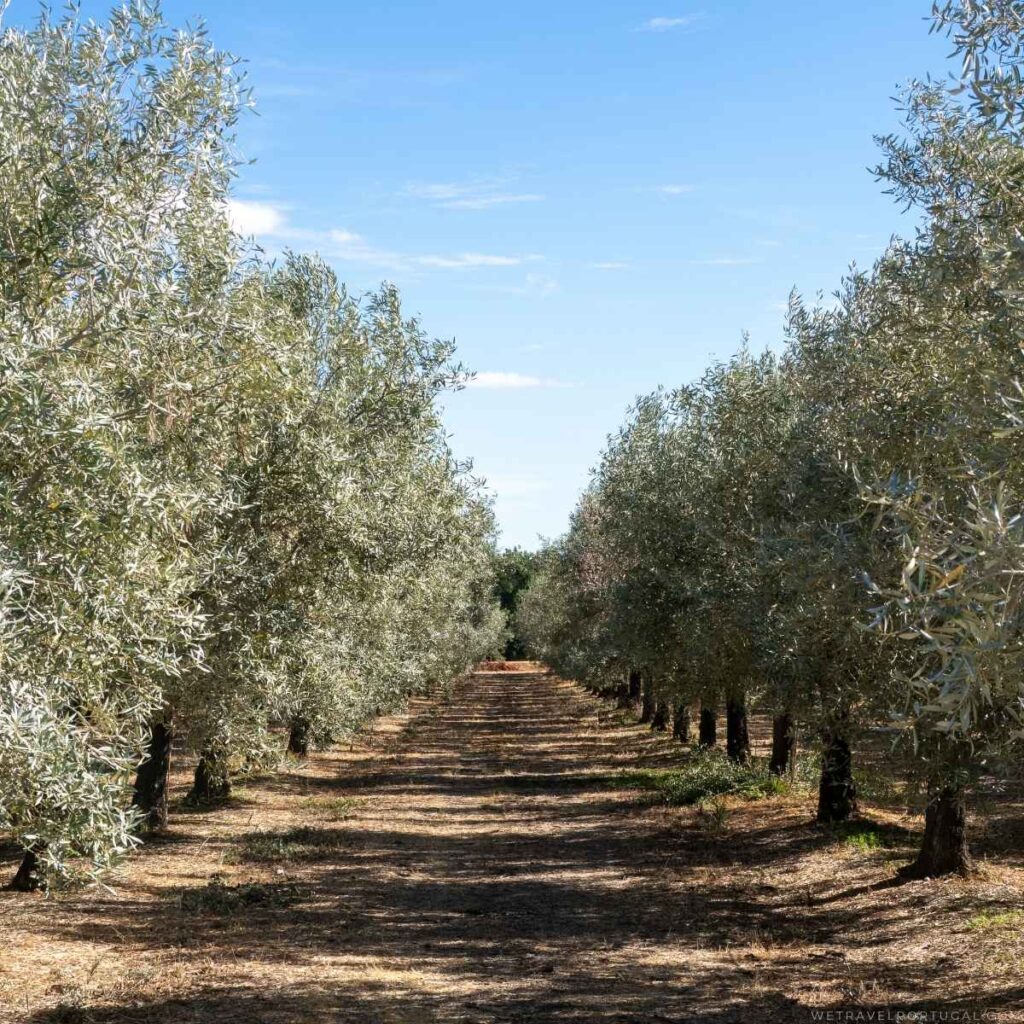
Next on the Mediterranean food list are olives – which have been grown in the Algarve for thousands of years. Today, Portugal is the 9th largest producer of Olive Oil, and although once again the Algarve isn’t as well known when it comes to olive oil, you can still find some excellent local producers. More importantly for this list, producers you can visit to witness olive oil production – from trees growing in orchards to bottling a premium product.
Monterosa – A Premier Gourmet Estate
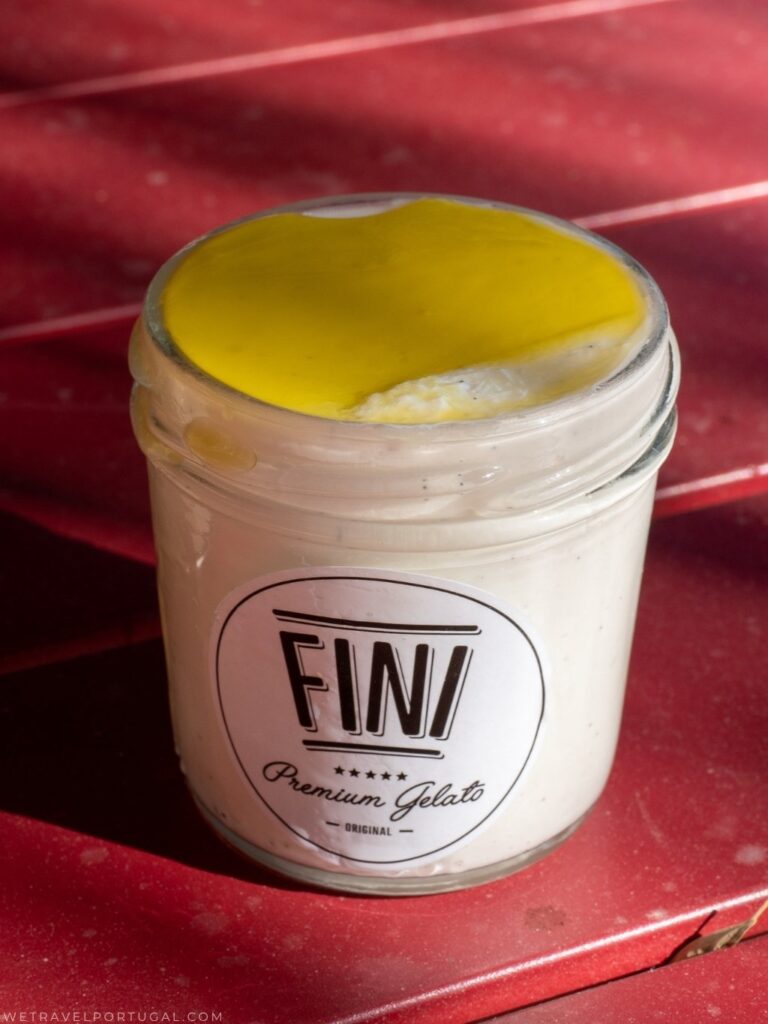
The eastern Algarve is especially strong for this kind of experience. Near Moncarapacho, you’ll find Monterosa. An estate that offers guided visits through its olive grove and oil mill, followed by tastings of its extra virgin olive oils. The experience can even be paired with a picnic in the grove – where you’ll also get to taste cheeses, cured meats, local pâtés, and wine!
If you don’t have the time for a full tour, or if it’s not at the right time of year, you can also simply stop at their shop and browse their range of olive oil and selected local products. It’s open from 9am to 5pm (but closed for lunch time from 12:00 to 2.30pm) from Monday to Friday.
Olive Factory – Olive Processing for the Table
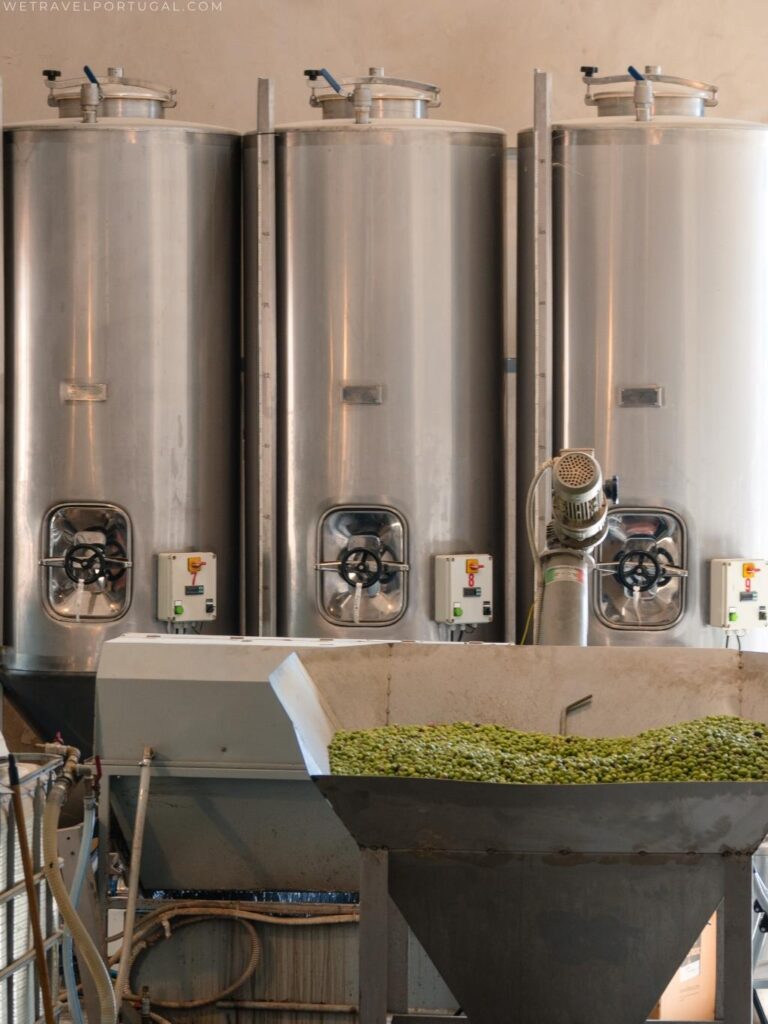
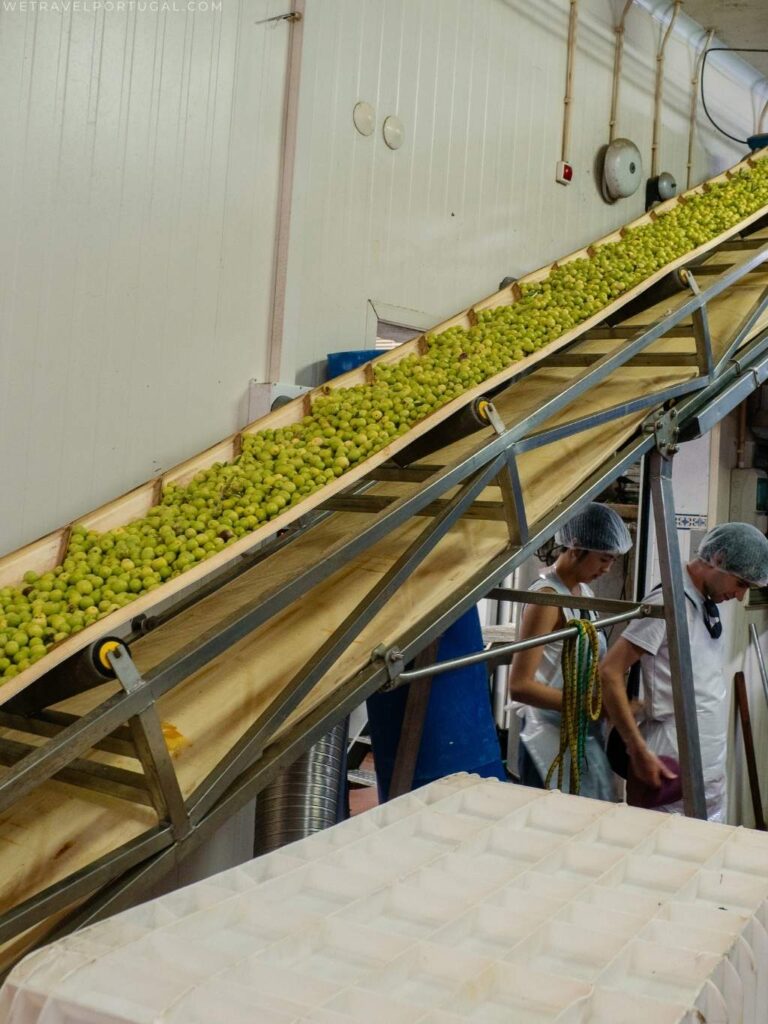
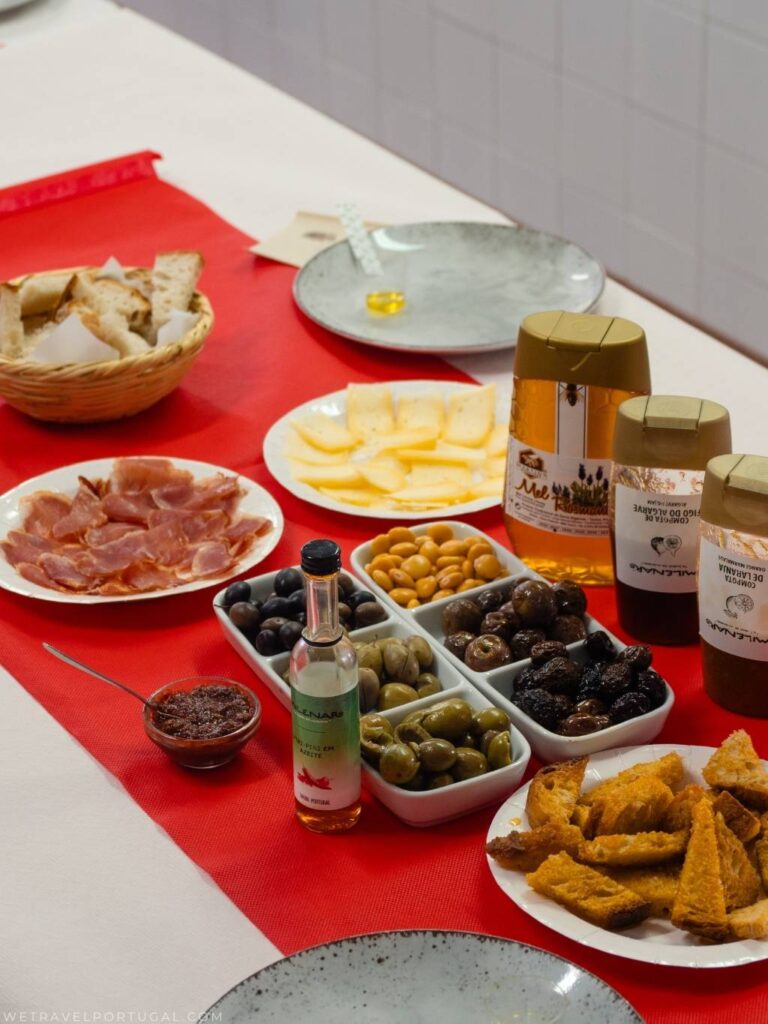
For a more factory-style visit, look at Tavira’s Olive Factory Experience, which takes visitors behind the scenes of olive production and ends with a tasting that includes olives, olive oil, orange marmalade, cheese, and wine.
Helder Madeira – Tavira’s Olive Factory takes you from olive’s arriving into their premises, sorting, cleaning, brining, and how they’re prepared for sale. It’s a fascinating experience and look at something that you’ll find on every Portuguese table. A point to note is that active production at the factory is only during the harvest season – so if you visit outside of this you won’t get to see olives being processed. You’ll still get a factory tour, and a tasting – but you won’t see first hand the olives being processed.
Exploring Portugal’s Fish Canning Heritage
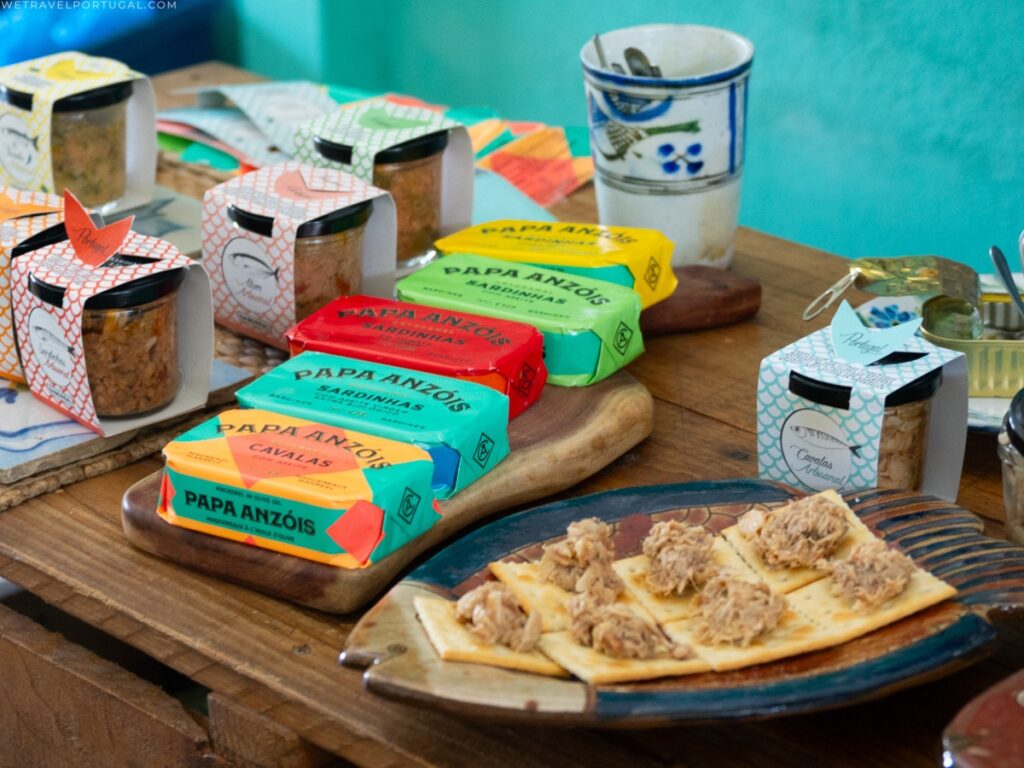
Visiting a sardine canning factory in the Algarve offers a fascinating glimpse into one of Portugal’s most enduring culinary traditions. A tradition that’s almost disappeared despite it at one time being one of the Algarve’s biggest industries. The remains of fish canning can be found all over the Algarve, docks, warehouses, and disused factories can be found in all the older industrial towns like Vila Real de Santo António, Olhão, and Portimão.
Conserveira do Arade – Artisanal Canning
One small factory attempting to restore and bring to life some of that heritage is Conserveira do Arade in Lagoa. Today, you can visit the factory and watch the entire production line – where fresh sardines (and other fish) are cleaned, steamed, packed, and sealed with historical and artisanal methods. You’ll be taken on both a historical and gastronical journey, which ends with a small tasting of several of the locally produced tins. This is the only tinned fish production facility you can visit in the Algarve, and it is well worth it!
Salt Production and a Salt Spa Experience
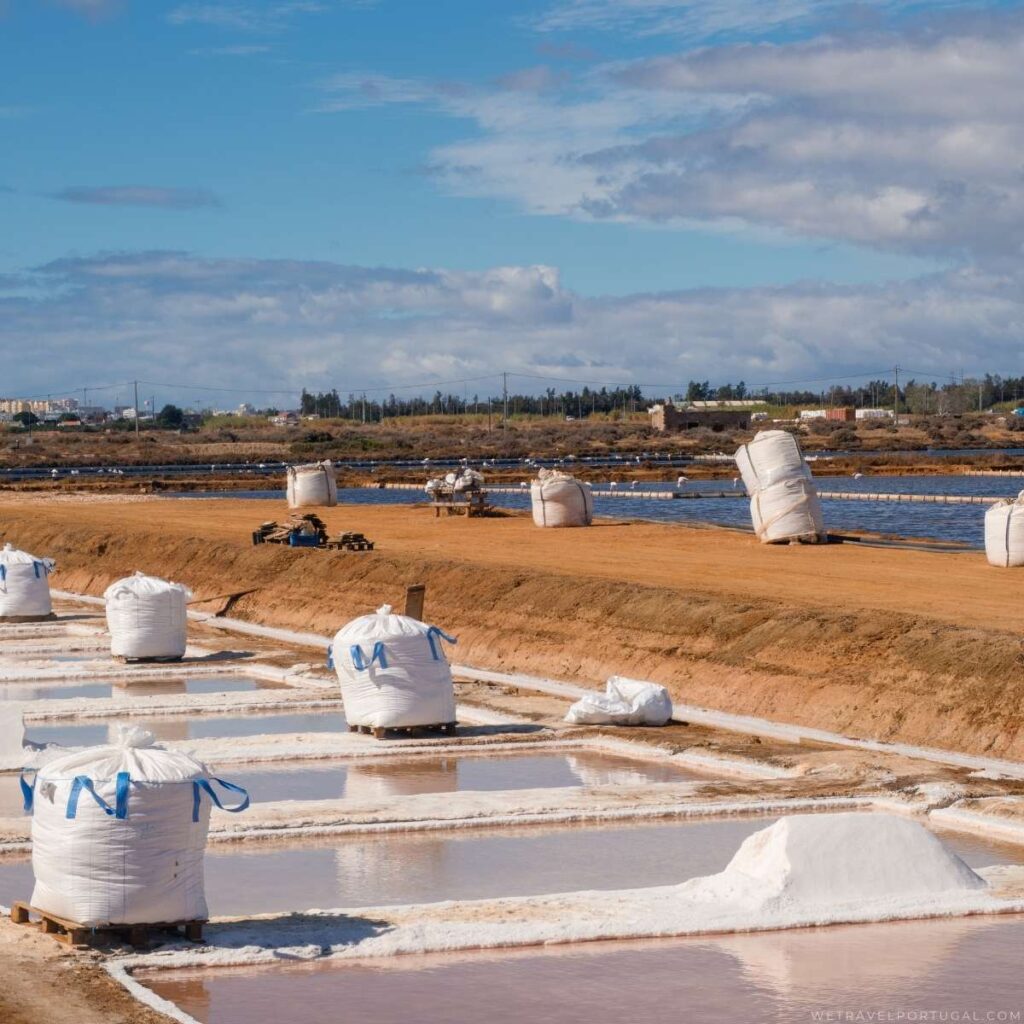
Another considerable heritage industry in the Algarve is salt production. In fact, it goes all the way back to Roman times! The Algarve’s coastal lagoons have played a role in the production of this vital mineral for thousands of years. In several places, you can now experience this first hand!
Salinas do Grelha – The Dead Sea
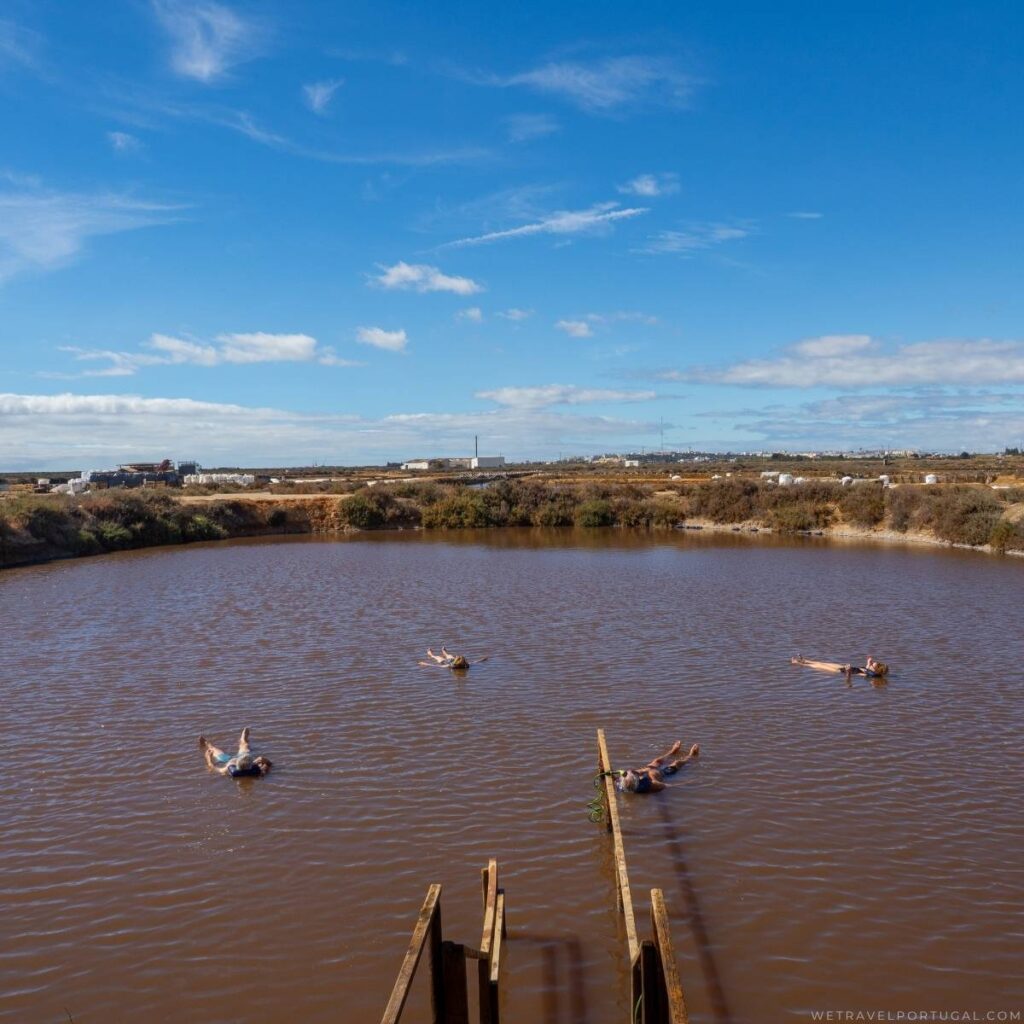
Salinas do Grelha in Olhão is one of those places. It also offers something really unique for the Algarve – a soak in very highly concentrated salt pond which replicates the ‘dead sea experience’. The salt content in the water, makes you even more buoyant then in normal seas. Outside of the spa experience you’ll also find a guided tour that takes you through the historical salt production in the Algarve – from flooding a salt pond, to harvesting fleur de sal. The finest of salts the Algarve produces.
Taste Medronho – The Algarve’s Fire Water
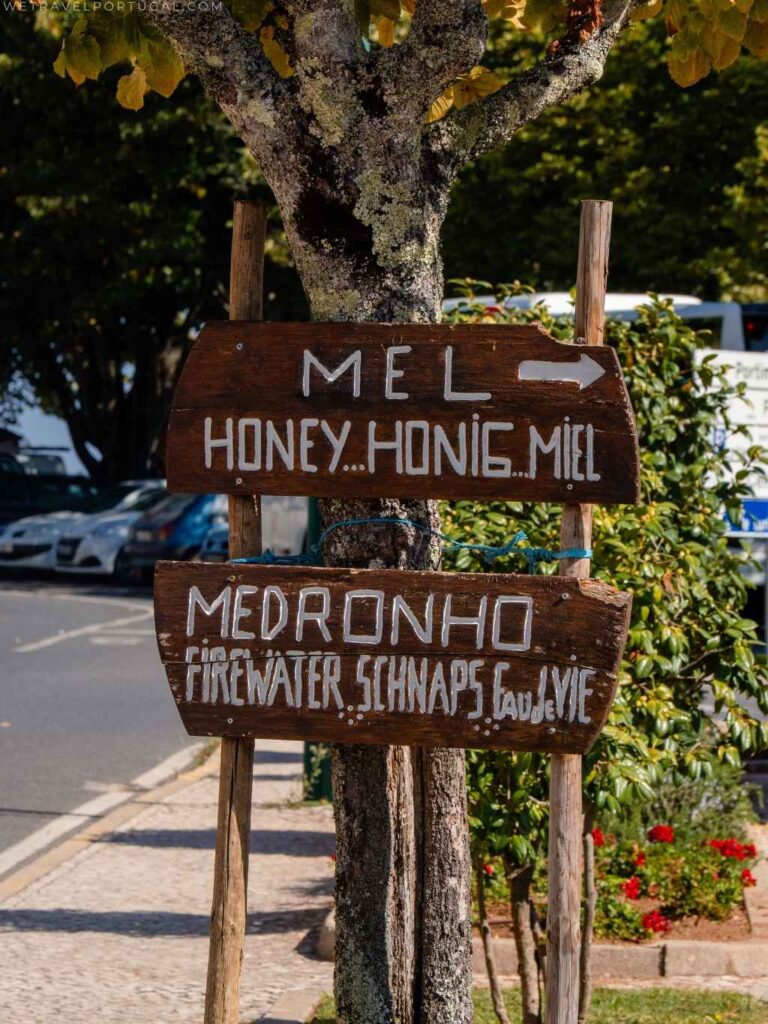
Leave the coastline and head for the hills and the Algarve’s flavour profile really starts to change. Roasted and cured meats, preserves, and alcohol have a very long tradition in many of the inland towns. Nowhere more so than in Monchique. In the hills around Monchique, the air cools, oak forests appear, and the region’s mountain traditions come alive. This is the home of aguardente de medronho, a powerful fruit brandy distilled from the berries of the arbutus tree.
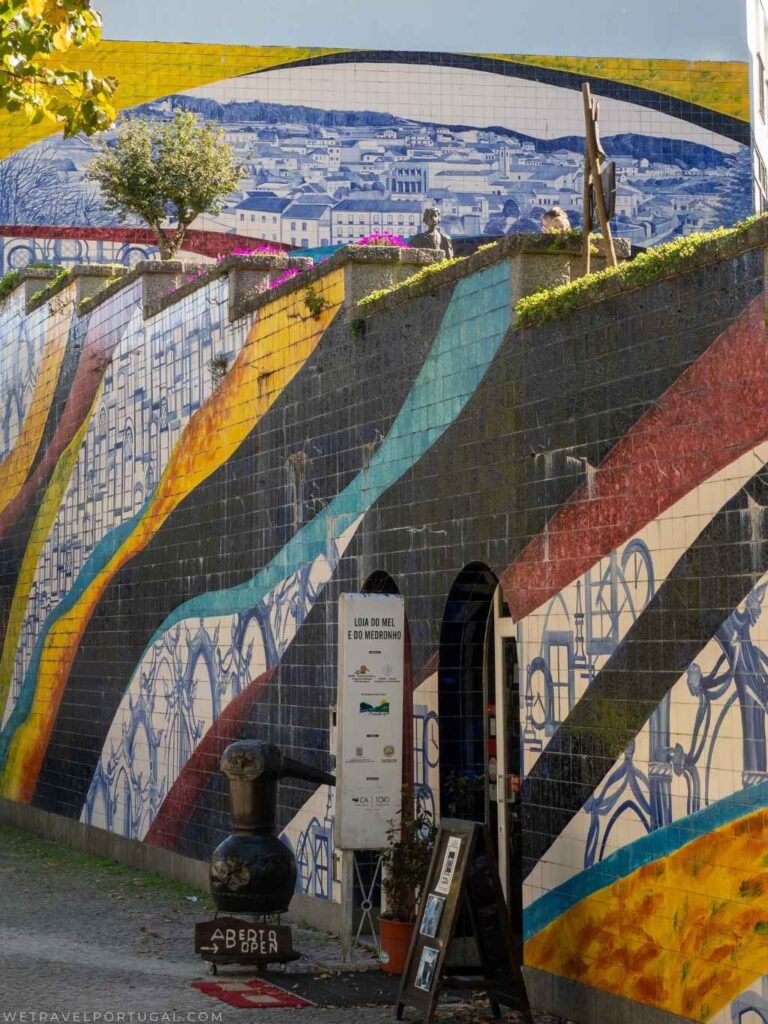
Monchique – Loja do Mel e do Medronho
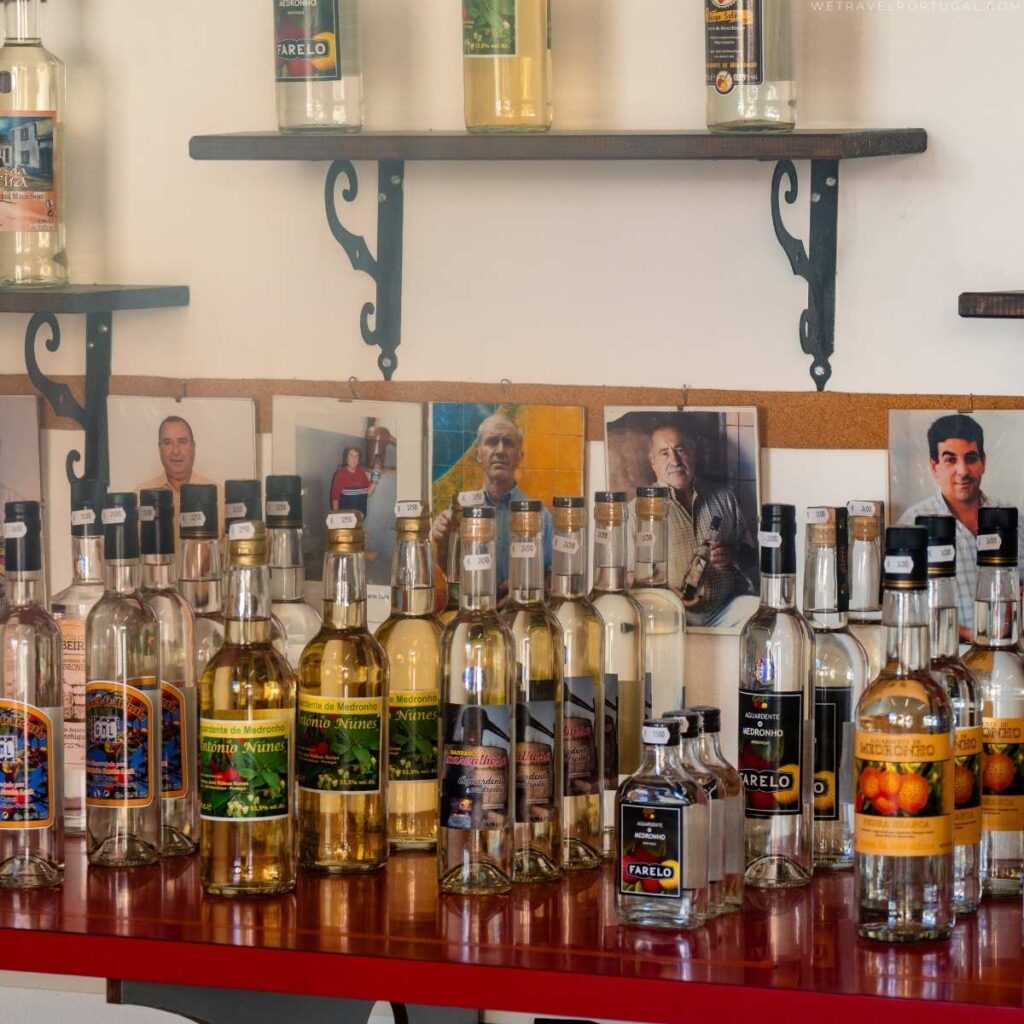
Loja do Mel e do Medronho serves as the interpretive centre to explore Medronho. Alongside all the bottles for sale is a photo and biography on the producer! It’s a great introduction to how local Medronho production really is.
Learn How to Cook Cataplana – Faro
For the travellers that want to cook rather than simply consume and watch, a combined market tour and cooking class is one of the best food classes in the Algarve. The very best place for this type of tour is in Faro. Inside the historic old town is Tertúlia Algarvia – a restaurant widely known in Faro for its seafood dishes. They also host cooking classes combined with a visit to Faro’s seafood market.
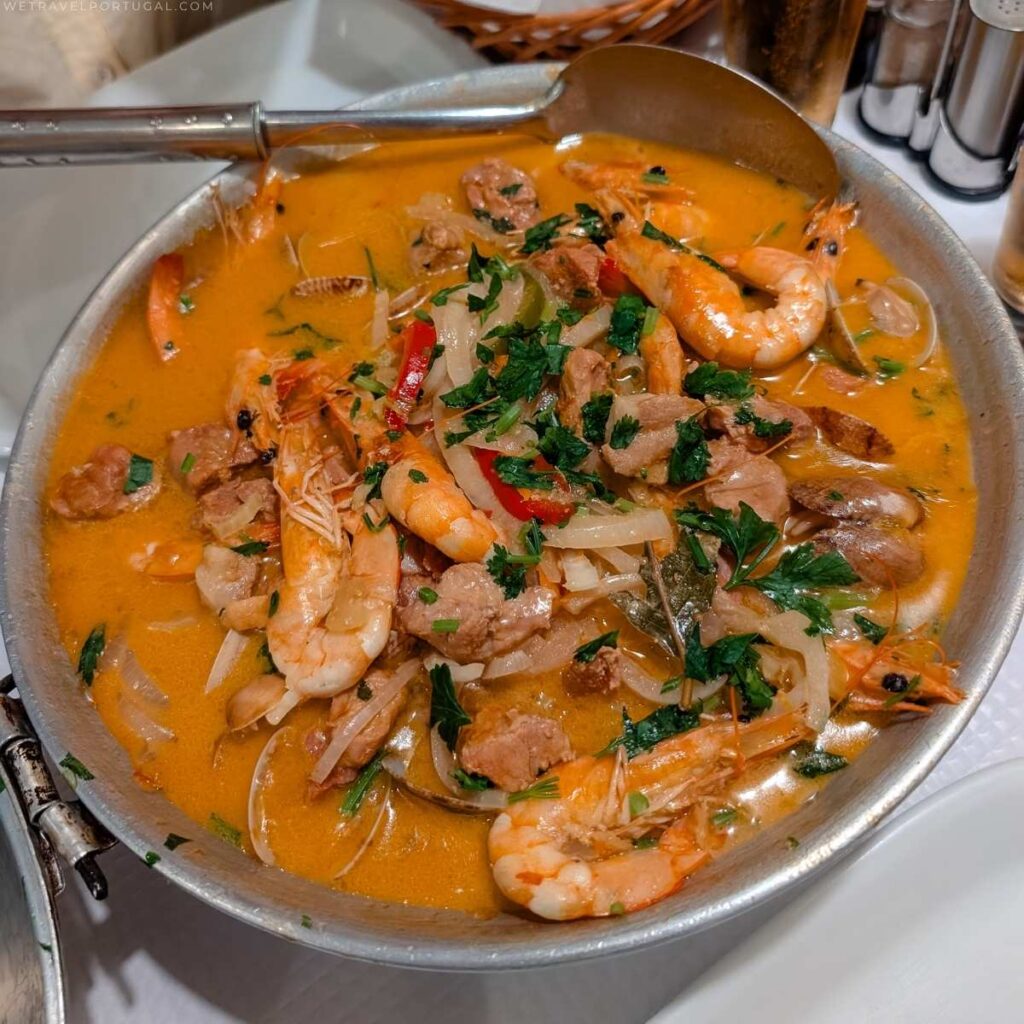
Tertúlia Algarvia – A Market Tour And Cooking Class Combined
This class will take you from choosing your fish, to cooking the most emblematic dish of the Algarve – the Cataplana. You’ll connect the whole chain: seeing the ingredients, learning how locals choose them, learning how to prepare them, to sitting down to eat the results. It’s the best type of cooking class the Algarve offers!
Oysters – Oyster Farming and a Tasting
Unknown to a lot of people is that the Ria Formosa supplies much of Portugal with oysters. Yup, if you’ve had oysters in Lisbon, Porto, or anywhere else in Portugal there’s a very good chance they’re locally grown in the east Algarve.
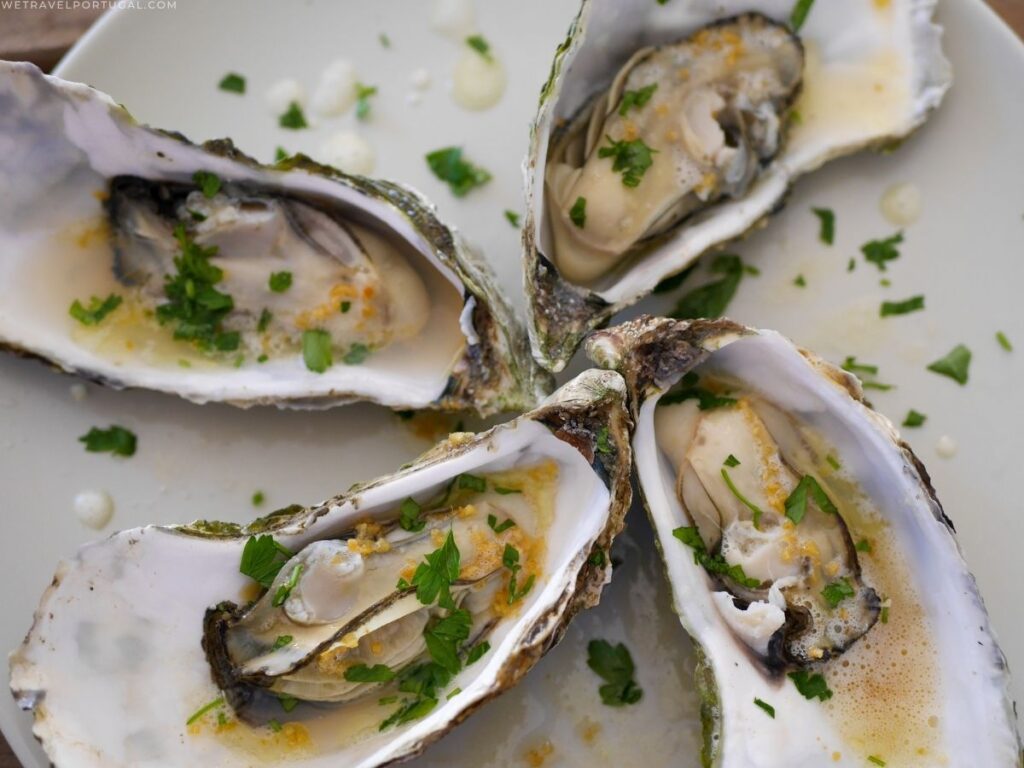
If you want to get hands on, learn how oysters are farmed, and try the absolute freshest oysters possible than an oyster tour of the Ria Formosa is the best way to do this. Tours depart from Faro, where you’ll get a guided tour of the Ria Formosa, some time for island hopping, before heading to an oyster farm to learn all about how oysters are farmed. After that, some experiences will take you to a local restaurant for a glass of bubbles served with some oysters, while others will serve them right on the boat!
That’s my favourite food and drink experiences in the Algarve – What will you be trying on your next trip?
