

Northern Portugal is one of the country’s most varied regions. Within a few hours of Porto, you can travel from Atlantic beaches and historic cities to the terraced vineyards of the Douro Valley, the green countryside of Minho and the mountains and remote villages of Trás-os-Montes. It is a region shaped by dramatic changes in landscape, but also by distinct local traditions, food and wine.
North Portugal is too large and diverse to experience as one homogeneous region. Porto, Minho, the Douro and Trás-os-Montes each have their own character, and a trip here can look very different depending on where you go and how much time you have to explore it. Whether you’re interested in exploring historic cities, visiting wine estates, hiking in the mountains or discovering smaller towns and villages, this guide will help you understand the region and decide where to go.
Northern Portugal – Região do Norte
Região do Norte, to give the official name of the northernmost region of Portugal, is renowned for its cultural heritage and natural beauty. It is the third largest region in Portugal by land area, and the most populous region in Portugal.
Northern Portugal includes several distinct landscapes and cultural areas:
- Porto and the Atlantic coast: cities, beaches and historic ports.
- Minho: green countryside, Vinho Verde, Braga, Guimarães and Viana do Castelo.
- The Douro Valley: terraced vineyards, wine estates and river scenery.
- Peneda-Gerês and the mountains: hiking, rivers, villages and national park landscapes.
- Trás-os-Montes: Chaves, Bragança, Miranda do Douro and a more remote northeastern Portugal.
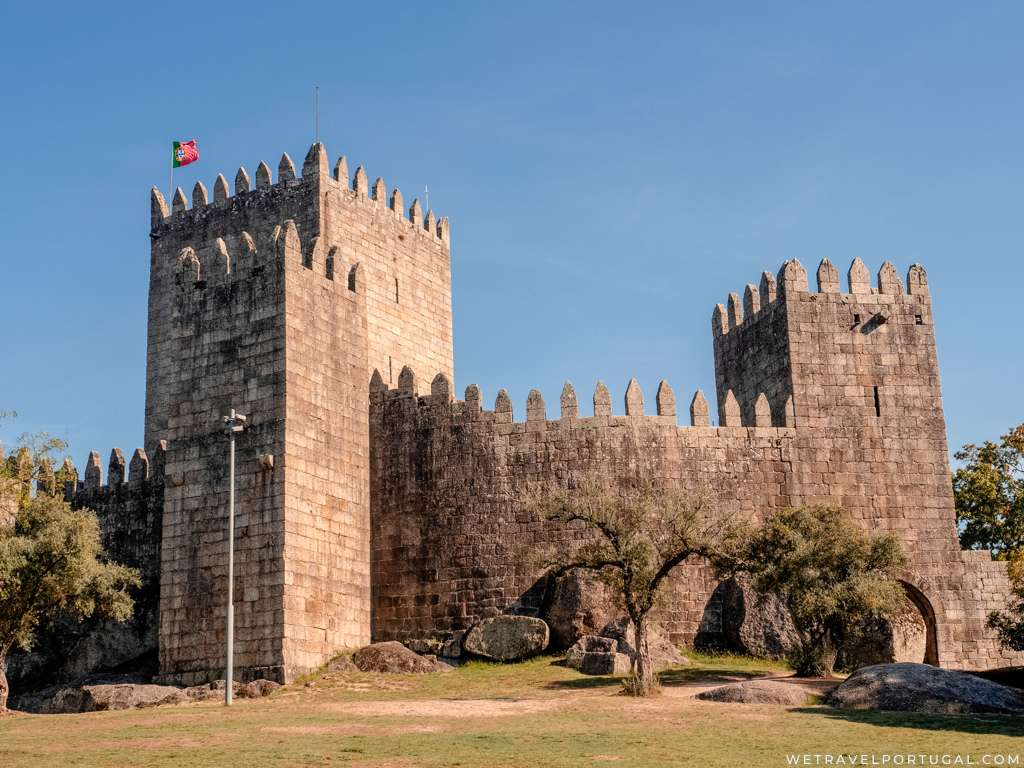
The Best Places to Visit in Northern Portugal
Now that you have an overview of the region, here are some of the best places to visit in Northern Portugal.
Porto and the Douro Valley
Porto and the Douro Valley make a natural starting point for exploring Northern Portugal. The region’s largest city offers historic streets, excellent food and easy access to the wider north, while the Douro follows the river east through one of Portugal’s most spectacular landscapes of terraced vineyards and small wine-producing towns.
Porto
Porto is the natural starting point for any trip to explore Northern Portugal. Its historic centre and riverfront reflect the city’s long and lasting relationship with the Douro Valley and the wine trade. While its restaurants, markets and cultural attractions make it worth several days in its own right. It is also the region’s best-connected city, making it an easy base for exploring the north without a car.
Douro Valley
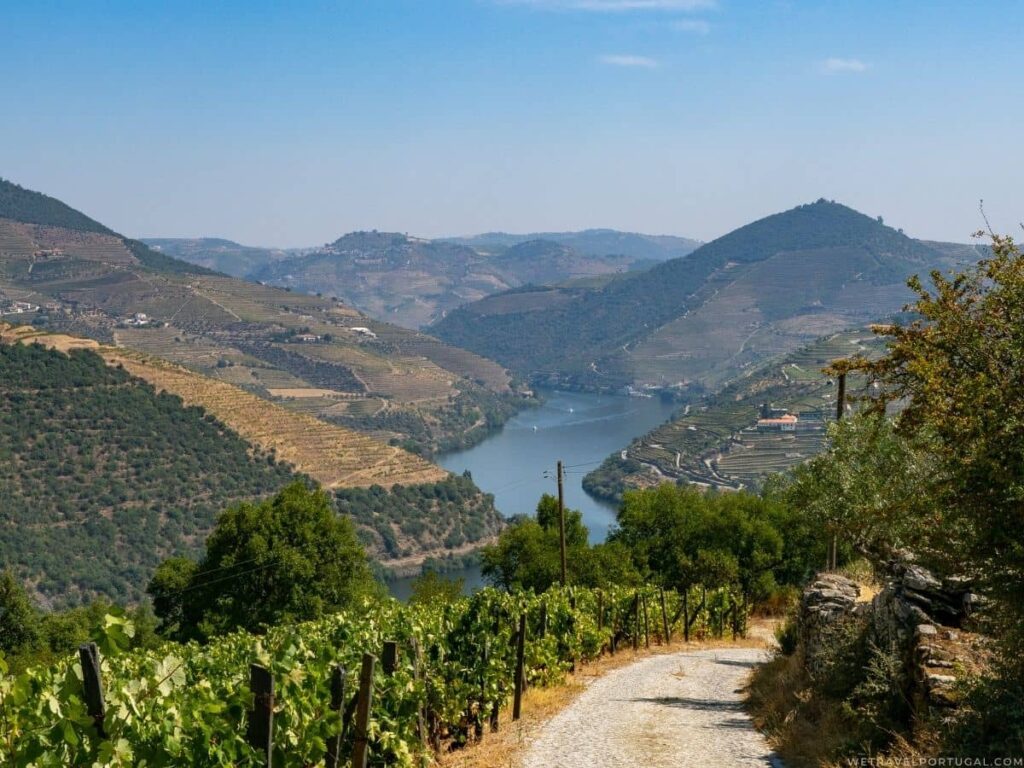
The Douro Valley stretches east from Porto through a spectacular landscape of steep hills covered in terraced vineyards. It is the heart of Portugal’s Port wine (Vinho do Porto) industry and also produces Douro wines, but you don’t need to be a wine enthusiast to appreciate the region. River cruises, scenic viewpoints, historic estates and winding roads make the valley one of Northern Portugal’s most rewarding areas to explore. It’s not just for wine enthusiasts, the vistas and viewpoints are stunning, as is the opportunity for outdoor activities. Hiking, biking and kayaking to name a few!
Lamego
Lamego is a small city in the Douro Valley. It’s one of the best places to base yourself in if you’re exploring the Douro Valley, but also home to a castle, cathedral and several historic wineries and vineyards. Its most famous attraction is the 18th century baroque Sanctuary of Our Lady of Remedies (Santuário de Nossa Senhora dos Remédios).
Amarante
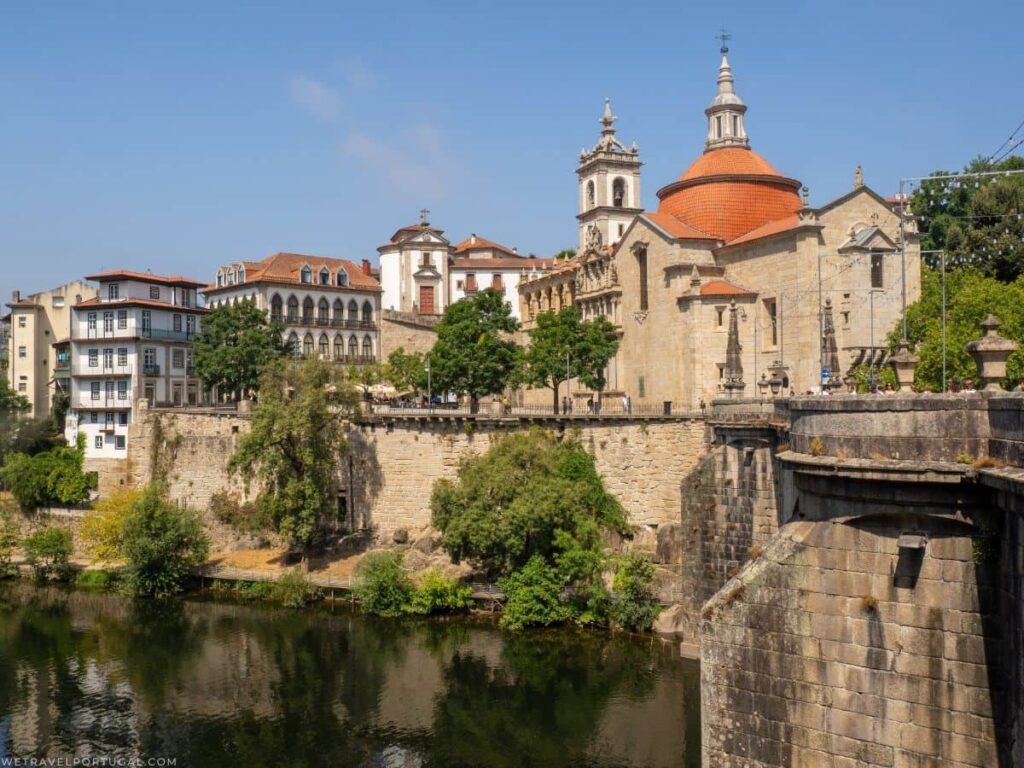
Located on a tributary of the river Douro is the idyllic town of Amarante. It’s well known for its historical bridge and São Gonçalo Church. It’s a historic town, famous across Portugal for its sweets and cakes.
The Minho Region
The Minho is one of Portugal’s greenest and most distinctive regions, known for its lush countryside, historic towns, rivers and strong local traditions. Stretching between the Atlantic and the Spanish border, it is home to cities such as Braga and Guimarães, charming towns including Viana do Castelo and Barcelos, and some of Portugal’s best-known vinho verde country. Compared with the hotter, drier landscapes further south, the Minho feels greener and more rural, with a landscape shaped by vineyards, forests and fast-flowing rivers.
Braga
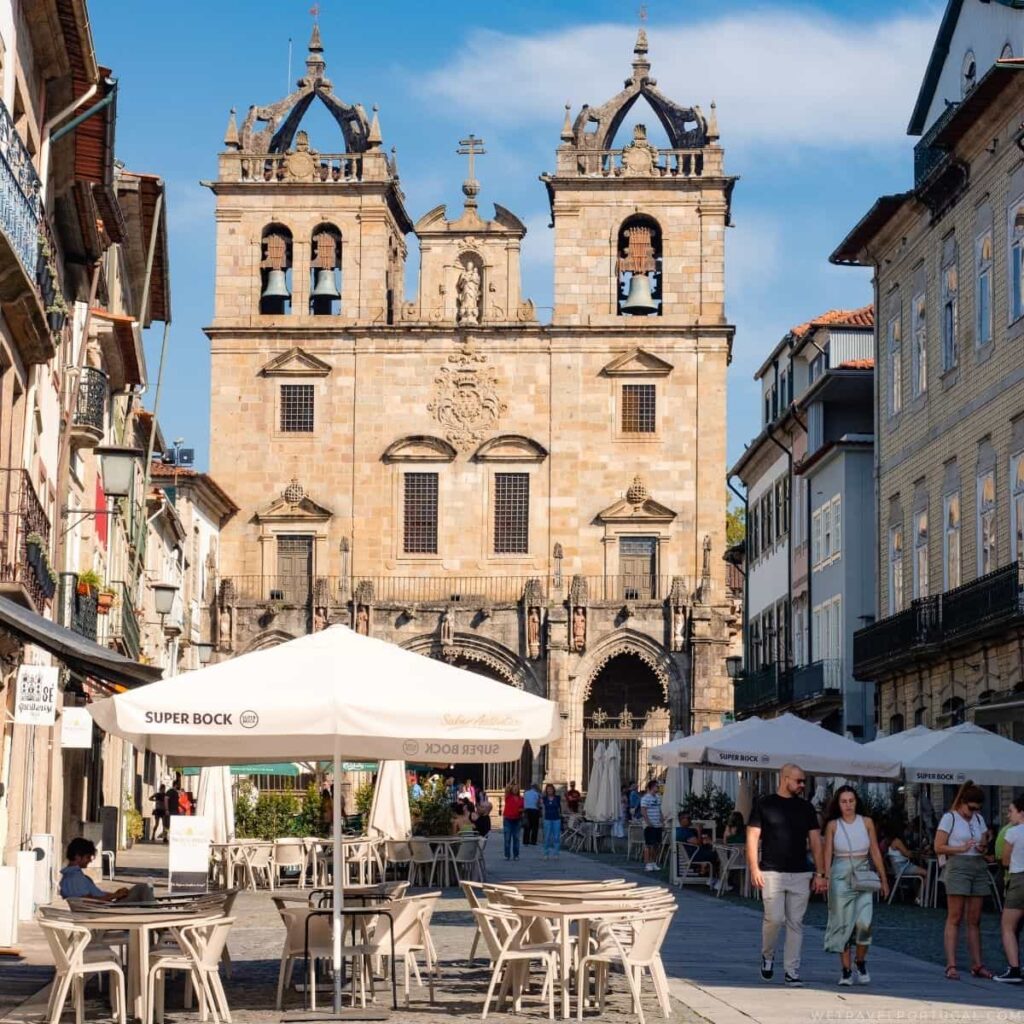
Braga is one of Portugal’s oldest cities and its historic religious centre. Its cathedral, churches and elaborate Baroque architecture reflect centuries of ecclesiastical influence, while the sanctuary of Bom Jesus do Monte rises above the city on one of Portugal’s most famous monumental staircases.
Guimarães
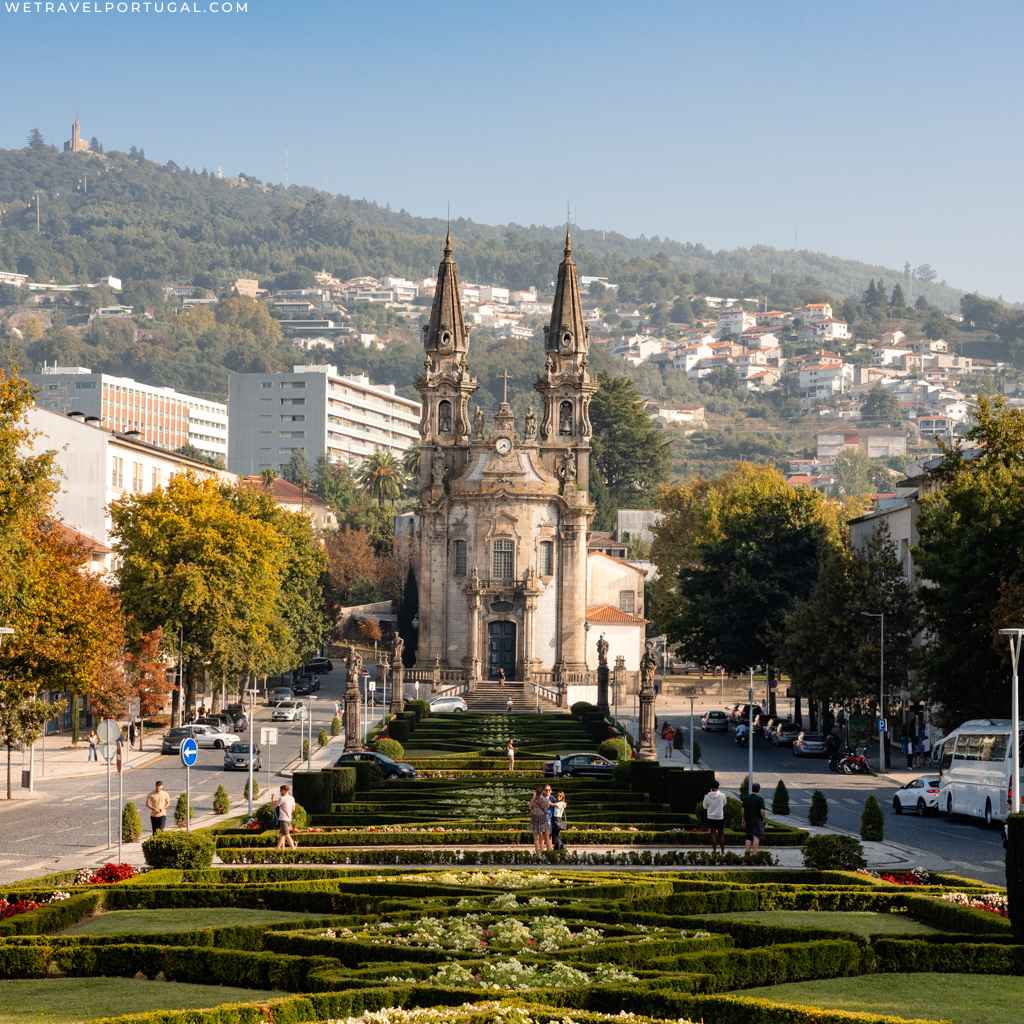
Guimarães, which is often referred to as the birthplace of Portugal, is a historic city with a well-preserved medieval center. Its biggest attractions include Guimarães Castle (Castelo de Guimarães), the Palace of the Dukes of Braganza, and the stunning hillside retreat of Monte de Penha.
Barcelos
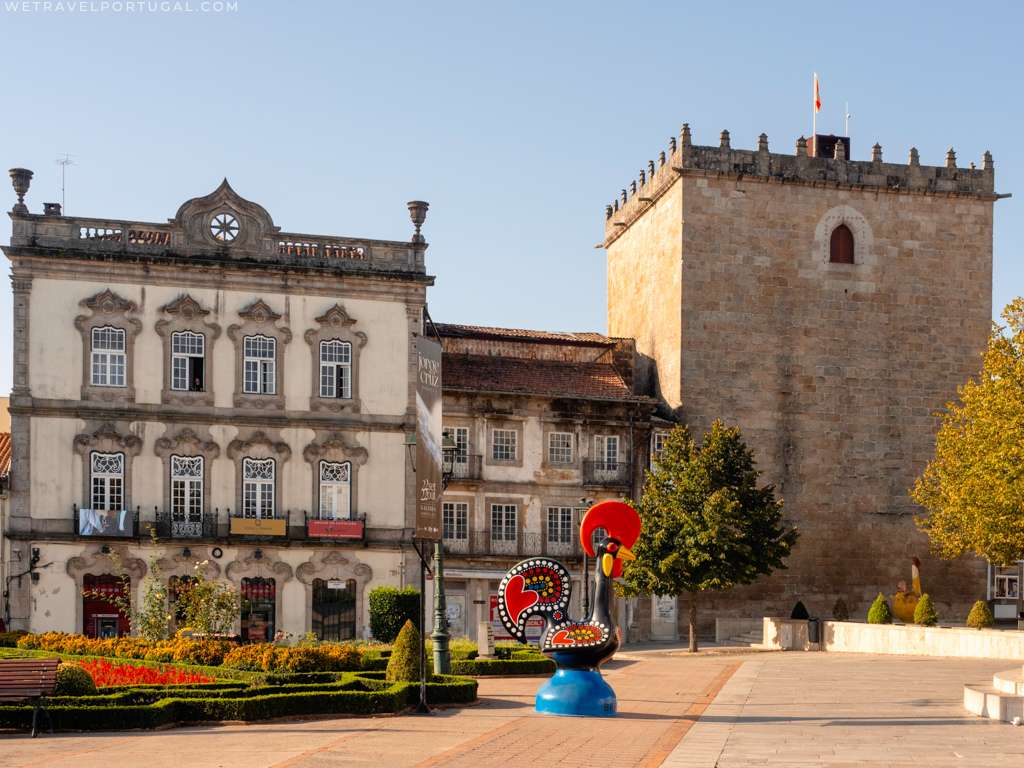
Barcelos is synonymous with the Portuguese rooster (Galo de Barcelos). It is a symbol of good fortune and a common symbol found across Portugal. Barcelos is a small city, a vibrant place where history, legends, and religion all blend into a romantic riverside city. The city also hosts one of the largest weekly markets in Portugal, where you can find a variety of local crafts and ceramics, including the famous Barcelos Rooster.
Viana do Castelo
Viana do Castelo is a small city on the mouth of the Lima River. It’s famous for its folklore, traditional costumes, and the pilgrimage of Nossa Senhora da Agonia. One of the city’s most popular attractions is the Santa Luzia Basilica, offering incredible views of the surrounding landscape, and a key point on the Caminho de Santiago.

Peneda-Gerês and Northern Mountains
Northern Portugal becomes wilder and more mountainous as you head inland towards the Spanish border. Peneda-Gerês National Park is the best-known part of this landscape, with granite peaks, forested valleys, rivers and traditional villages scattered throughout the mountains. Beyond the park, towns such as Chaves provide a useful gateway to this quieter side of the north, where hiking, natural swimming spots and scenic drives take you far from Portugal’s larger cities.
Peneda-Gerês National Park
Peneda-Gerês is Portugal’s only national park and one of the best places in the country for hiking and exploring mountain landscapes. Granite peaks, waterfalls, rivers and traditional villages are spread across a large area along the Spanish border. A car is useful here, particularly if you want to explore beyond the main villages and trailheads.
Chaves
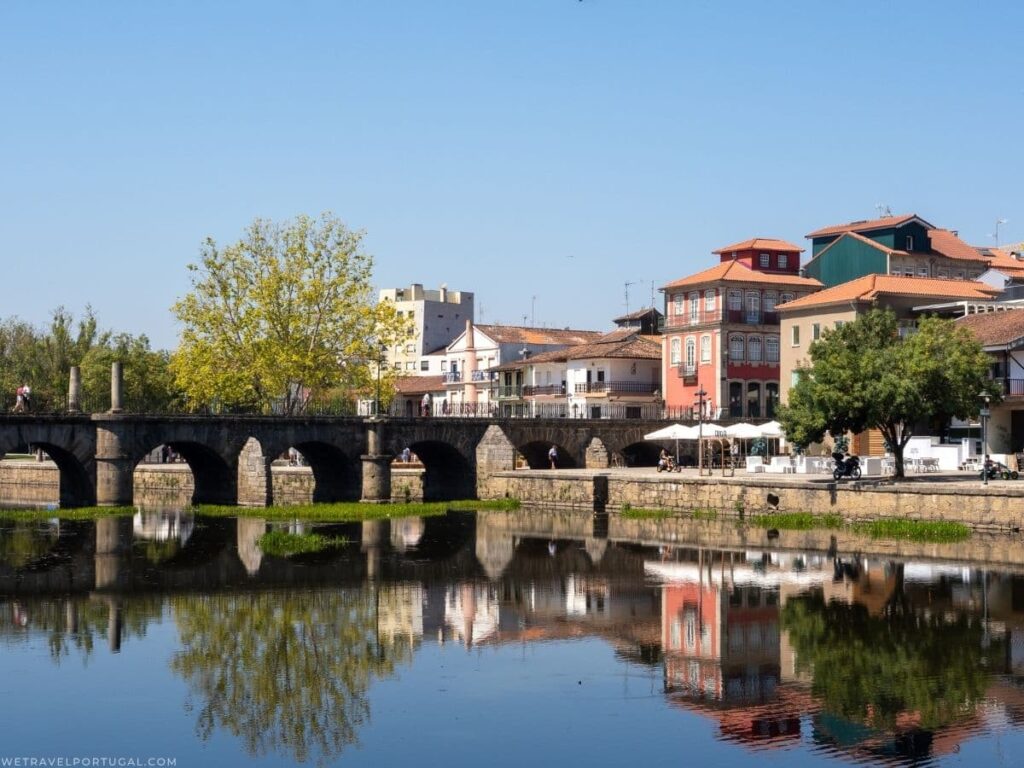
In the far north of Portugal, just 10km from the Spanish border, is Chaves. Chaves is a historic border city known for its Roman heritage, thermal waters and medieval castle. Its position just 10 km from Spain has given it an important role as a frontier town, while the city is also the northern endpoint of Portugal’s famous N2 road.
Trás-os-Montes and the Northeast
In the far northeast of Portugal, Trás-os-Montes feels more remote and less visited than much of the rest of the country. Its name, meaning “behind the mountains,” reflects its landscape of high plateaus, deep river valleys and isolated villages. This is a region with a strong local identity, shaped by its border with Spain and long traditions in food, agriculture and rural life. Towns such as Bragança and Miranda do Douro make good starting points for exploring its historic castles, dramatic landscapes and distinctive culture.
Braganza (Bragança)
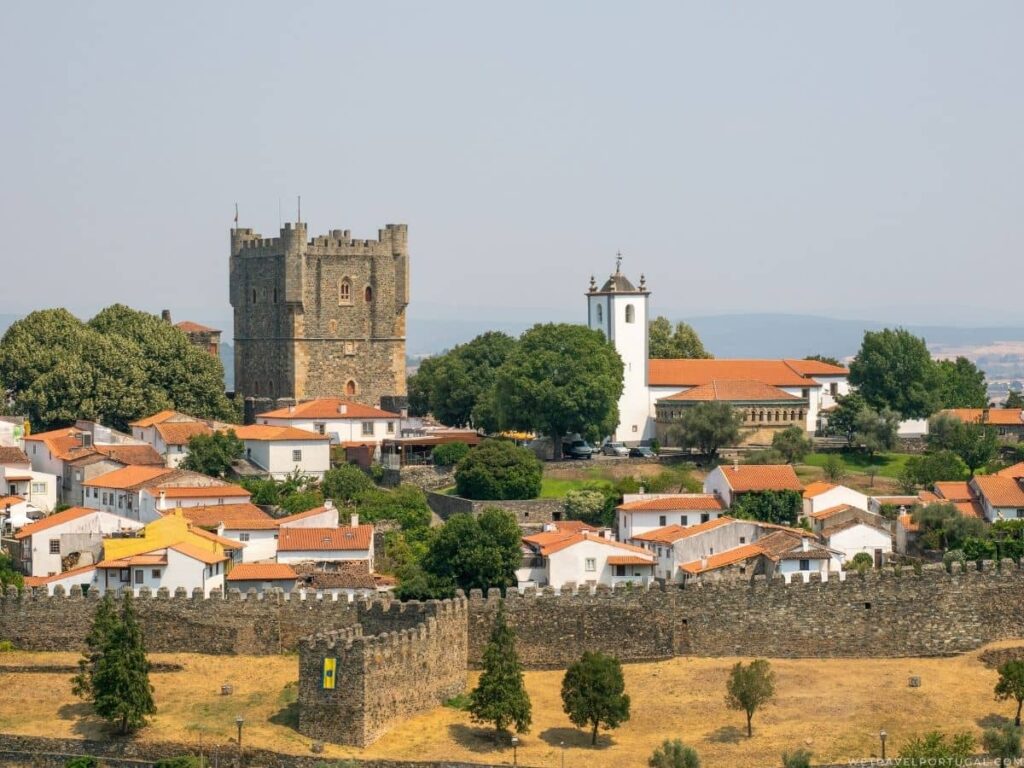
The historic city of Braganza (Bragança), the historical capital of the region of Trás-os-Montes. It’s an impressive fortified city that once protected Portugal’s north-eastern flank. The historic centre is enclosed by medieval walls and dominated by the impressive castle and citadel. Inside, you’ll find the Domus Municipalis, the medieval church of Santa Maria and narrow streets lined with traditional houses. Bragança is also a useful base for exploring the surrounding landscapes of Montesinho Natural Park.
Miranda do Douro
In the northeastern corner of the Northern Region of Portugal is Miranda do Douro. A small town on the border with Spain. The town is famous for its dramatic canyon views over the Douro River, yes, the very same Douro River that flows across Portugal to Porto, and traditional folk music and dance. It’s a remote area of Portugal that sees very few international visitors.
When to Visit North Portugal
Northern Portugal’s diverse landscapes, towns, and cities make it a true year-round destination.
Summers are vibrant with numerous festivals and a bustling atmosphere in coastal towns. June brings Festa de São João to Porto, one of the biggest events in Porto’s calendar. The summer is also a great time to discover the traditional seaside atmosphere of many of the coastal towns and villages.
Moving into Autumn and winter, visiting Douro Valley during the grape harvest (September-October) is particularly special. Visitors can witness and partake in the traditional wine-making process, with barefoot grape crushing a popular activity at many of the traditional vineyards.
Winters are milder compared to the rest of Europe, making it an ideal time for exploring cities and enjoying the region’s gastronomy. But it typically is wetter and more humid than further south in Portugal, so you should be prepared for wet and windy conditions.
Spring is perfect for outdoor activities, with pleasant weather and fewer crowds than summer. Making it a true year-round destination!

How Many Days Should You Spend in Northern Portugal?
Now for the tricky bit, deciding how many days you should spend exploring this region.
3 days: Porto and the Douro
With 3 days to play with, the simplest and most common itinerary is one that has 2 days exploring Porto and one day trip to the Douro Valley. Staying all three nights in the same place makes the most sense and you don’t sacrifice any time moving between hotels.
5 Days: Porto, the Minho and the Douro
With 5 days, the possibility to spend additional nights elsewhere starts to make sense. The most typical itinerary includes Porto as a base, then cities like Braga/Guimarães and the Douro Valley.
7 Days: Add Gerês or Trás-os-Montes
With 7 days then you can explore much further than the typical itinerary. Head much further north to Minho or Gerês. If you’re interested in wine, food, and drink, spending a night in the Minho region exploring Vinho Verde makes a lot of sense. If you’re more about nature, hiking, and the great outdoors then Gerês is a perfect option.
Getting to Northern Portugal
Porto’s international airport serves as the main international gateway to Northern Portugal. Additionally, Lisbon is also a major entry point for travellers, with fast and convenient connections to Porto and beyond by rail.
The region’s larger towns and cities are well connected by road and rail, but a car is useful if you want to explore the countryside, mountains and smaller villages. To fully experience the region’s charm, renting a car is advisable, as it allows access to more remote areas and scenic drives through the countryside.
If you’re looking at renting a car, read our guide to car rental here! It covers everything you need to know and how to avoid the extra costs.
Food and Drink in Northern Portugal
Northern Portugal has some of the country’s strongest regional food traditions, and the cuisine changes noticeably as you travel from the Atlantic coast into the mountains.
Porto is famous for francesinha and tripas à moda do Porto, while the Minho is closely associated with vinho verde, caldo verde and hearty pork dishes. Further inland, the cuisine becomes more rustic, with smoked meats, alheiras, posta mirandesa and distinctive breads and pastries from Trás-os-Montes.
Where will you be visiting in Northern Portugal?
