
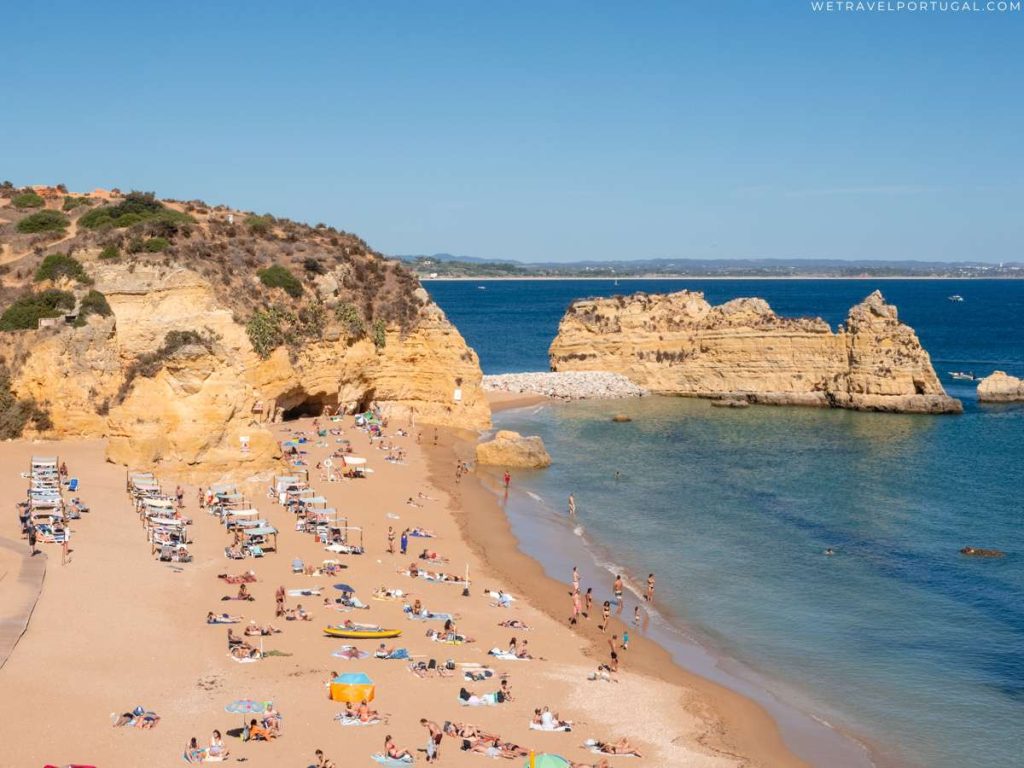
October is one of my favourite months to visit Portugal. The intense summer heat has usually eased, the peak tourist season is over, and you can usually still find warm, sunny days across much of the country.
It is also a particularly good month for exploring rather than simply sitting on the beach. Lisbon, Porto, the Alentejo and Portugal’s historic towns are now much more comfortable for walking, while the Algarve can still feel surprisingly summery. However, the further north you go, the higher the chance of rain. So where you’re going can make a big difference to your plans.
I’ve travelled all over Portugal throughout October, and this guide covers what you can realistically expect: the weather, beaches, crowds, events, seasonal food and wine, and the parts of Portugal we think are particularly worth visiting at this time of year.
Portugal’s October Weather
October marks the transition from summer and into Autumn. The days can still be warm, particularly in the south, but temperatures become less predictable as the month progresses and rain becomes increasingly likely.
There is a noticeable difference between northern and southern Portugal. Porto and the north are generally cooler and wetter, while Lisbon and the Alentejo tend to remain relatively mild. The Algarve is usually the warmest part of mainland Portugal, with plenty of days that are still suitable for the beach!
During the first half of October, you have a better chance of experiencing warm, settled weather. By the end of the month, cooler evenings and rainy days become more common, although sunny spells can still be excellent.
If you’re travelling around the country, packing for changeable weather is more sensible than assuming you’ll have a week of summer sunshine.
Table of Monthly Averages Across Porto, Lisbon and the Algarve
| Location | Highs | Lows | Rainy Days |
| Porto | 22°C (70°F) | 12°C (54°F) | 10 |
| Lisbon | 23°C (73°F) | 13°C (56°F) | 8 |
| Algarve | 25°C (77°F) | 15°C (59°F) | 5 |
How often does it Rain during October in Portugal?
October is one of the months when Portugal’s wetter season begins to make itself felt, particularly in the north. Porto and northern Portugal generally receive more rainfall than Lisbon or the Algarve, and weather can change quickly during the month.
The most recent averages for rain in Portugal published by its weather agency show that the further north you go, the more rain you might get. In the south you get much less rain. In the Algarve, you can expect just 5 days of rain in October. In Lisbon you can expect around 8 rainy days, and in Porto around 10 rainy days.
That doesn’t mean you’ll spend your trip in the rain. October often brings a mixture of sunny days, cloudy periods and occasional heavier showers, with plenty of dry weather in between. In the Algarve and much of southern Portugal, you can still have several consecutive days of sunshine.
For that reason, you shouldn’t rule out outdoor plans because you’re visiting in October. Just leave some flexibility in your itinerary, particularly if you’re planning long hikes or coastal walks.
Can you Go to the Beach in October?
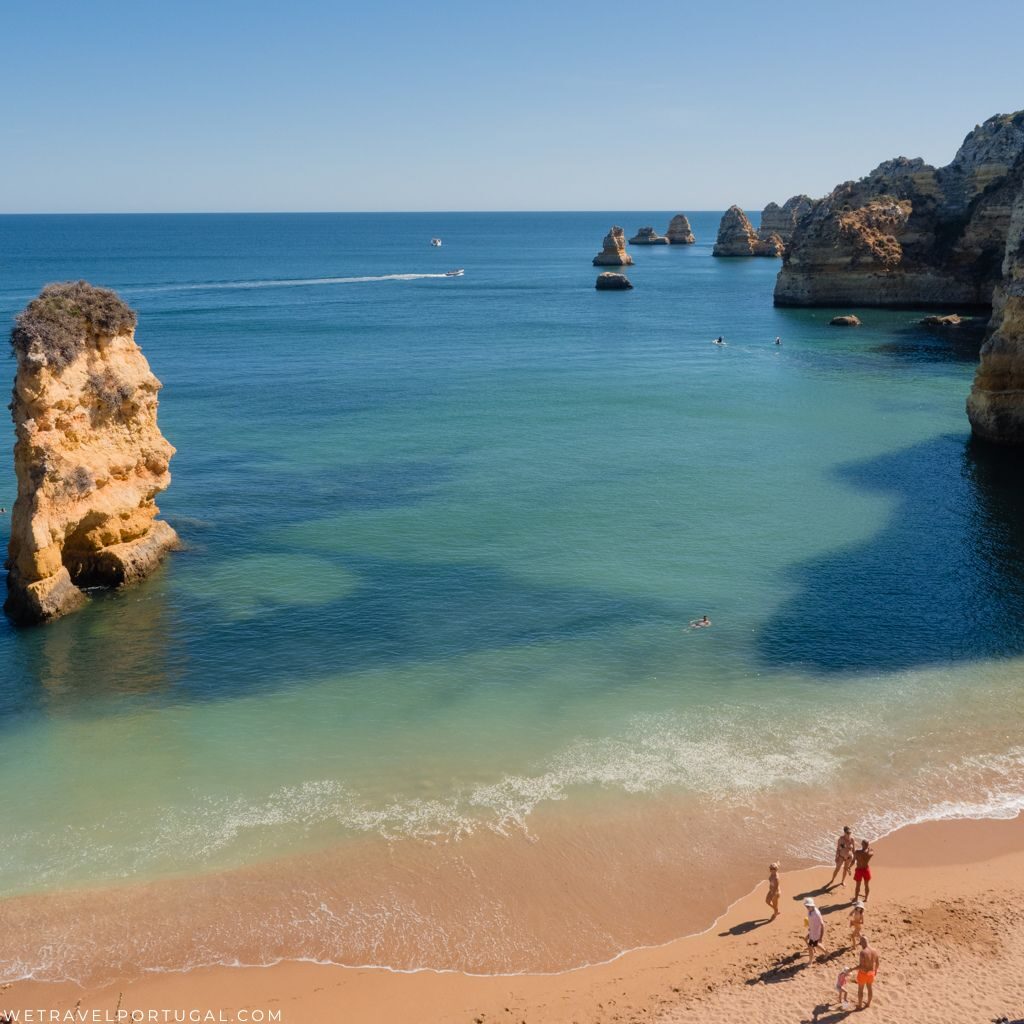
If your idea of an October holiday includes some time on the beach, Portugal is one of the better options in Europe, particularly in the Algarve.
The Algarve usually remains warm enough for beach days during October, although conditions can vary considerably from one week to the next. The eastern Algarve around Tavira and the Ria Formosa is generally more sheltered, while the Atlantic-facing beaches around Sagres and the western Algarve can be much windier.
The sea is still relatively mild compared with many other Atlantic destinations, but whether you’ll find it comfortable for swimming depends on your tolerance for cool water. We regularly see people swimming in October, but we’d be less inclined to promise warm sea temperatures than we would warm weather.
The average sea temperatures aren’t that much different from July and August, the traditional summer months! Although if you’re not used to Atlantic sea temperatures then it will definitely feel chilly.
Average Sea Temperatures in the Algarve
| August | September | October | |
| Max | 23.3°C (72.7°F) | 22.9°C (72.2°F) | 22.6°C (71.7°F) |
| Min | 20.1°C (69.5°F) | 20.4°C (69.7°F) | 20.3°C (69.4°F) |
October is also an excellent month for enjoying the Algarve’s coastline without the intensity of summer. Beaches are quieter, coastal walks are more comfortable, and you can spend time outdoors without dealing with the hottest part of the year.
Don’t believe us? Well all the photos in this article were taken during October of 2022 and October2023!
How busy is Portugal in October?
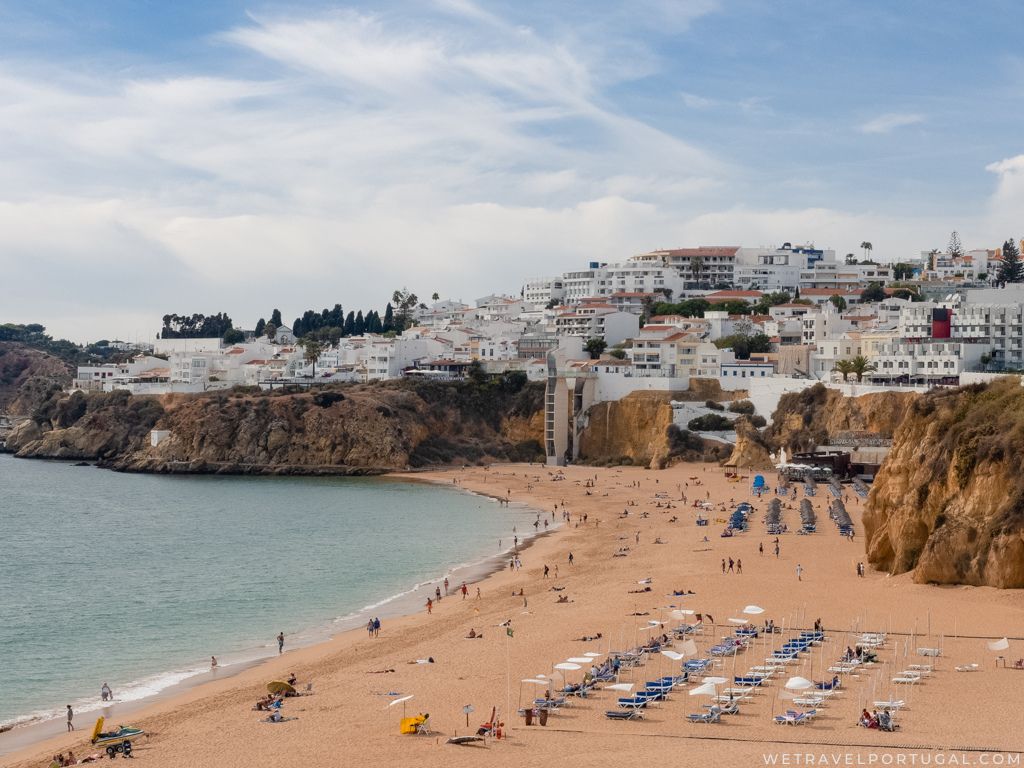
As October is officially the start of low season in Portugal, this is when crowds and visitors begin to fizzle out. Portugal is considerably quieter in October than it is during July and August, although popular destinations don’t suddenly become empty.
Lisbon, Porto, Sintra and the Algarve still attract plenty of visitors, particularly during the first half of the month and around weekends. You may still need to book popular restaurants, tours and major attractions in advance.
The difference is that you generally have more breathing room. Beaches are noticeably quieter, accommodation is often easier to find, and sightseeing is much more pleasant when you’re not dealing with peak-season temperatures and crowds.
If you visit in October, it will change how you view all these tourist activities during the summer season. Trust us, as tourists ourselves, we often find ourselves delaying visits to major monuments until later in the year, instead of visiting them during the summer.
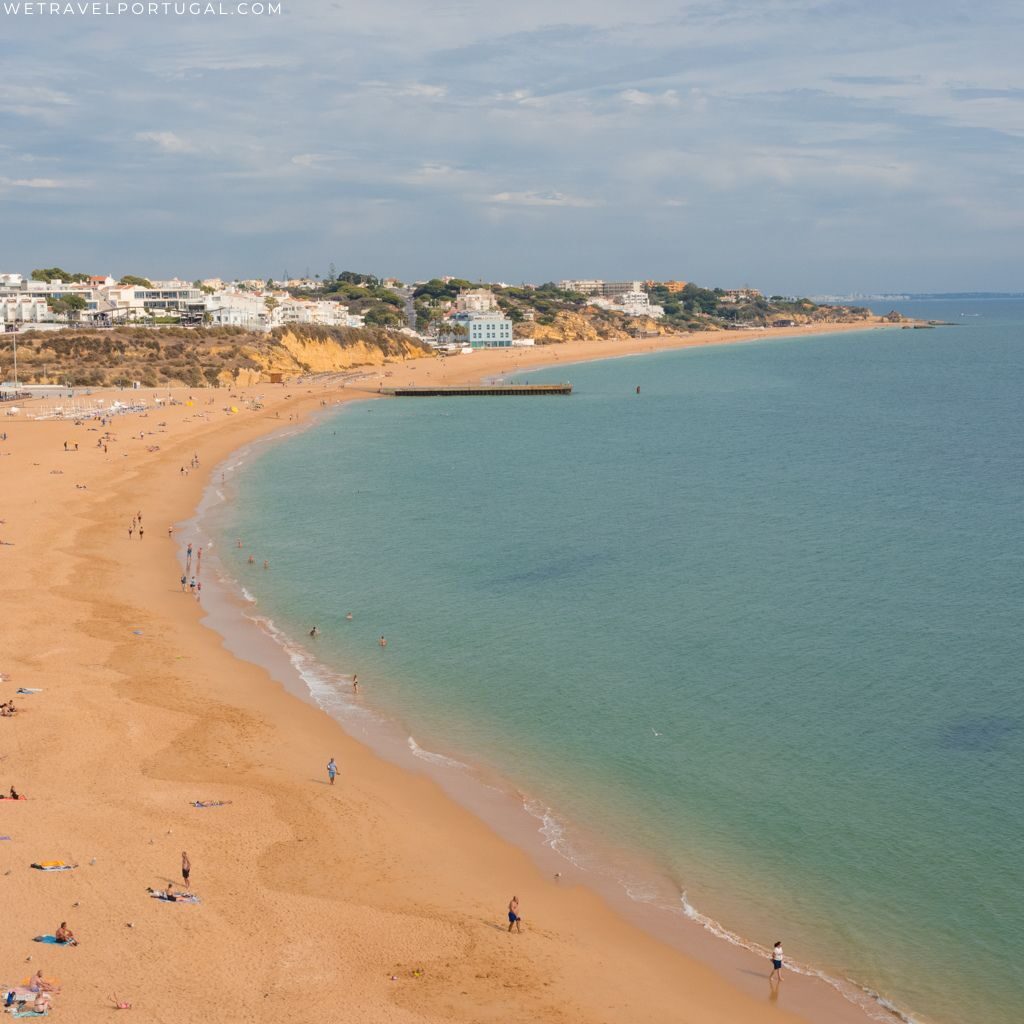
October is also when you can take advantage of some of the lowest prices of hotels and accommodation. We’ve had stays in accommodation that usually costs around €200 a night in the summer, for less than €30 a night in October. And it’s still been warm enough to take advantage of the pools and the full facilities of the hotels!
Why Visit Portugal in October?
October works very well if you want to experience several different sides of Portugal on the same trip.
It’s one of my favourite months for hiking. The cooler temperatures make long walks considerably more comfortable than during the summer, whether you’re following the Rota Vicentina, exploring the Seven Hanging Valley’s in the Algarve or walking through Portugal’s mountain landscapes. It’s cooler, and much more comfortable. But not cold enough to really be thinking about winter gear.
It’s harvest season in the wine regions. The exact timing varies each year, but from early September through to October the grape harvest begins. In places such as the Douro, you may be able to see vineyards at their busiest and visit wineries during one of the most interesting periods of the wine calendar.
The Alentejo is particularly special. The intense summer heat has eased, making it a better time to really explore places such as Évora, Estremoz, Monsaraz and Marvão, as well as the region’s vineyards and countryside. During the summer, I’ll often advise people carefully consider if they want to explore the inland Alentejo – summer days can reach 40°C (104°F) which can make exploring tough.
And then there is the Algarve, where October can still provide plenty of sunshine and warm days while the biggest summer crowds have disappeared. On many of the beaches, you’ll still find the full beach set up – life guards, parasols, and beach equipment.
What events happen in October?
October’s calendar is a mixture of wine and agricultural festivals, religious celebrations, sporting events and local fairs. Many of these events are tied to particular towns and regions rather than being major national festivals.
Grape Harvests and Vindimas
The grape harvest is one of the busiest and most interesting seasonal events in all of Portugal’s wine regions. Harvest dates vary according to the local conditions, grape variety and weather, but September and October are generally the busy months in Portugal’s wine-producing areas. Vindimas, are usually like mini festivals, and multiple vineyards now allow a select number of tourists to participate in every part of the busy period of harvesting, from grape selection and picking, to stomping the grapes by foot in traditional tanks. Then usually accompanied with wine tasting and feasts!
The Douro is famed for its harvest, but you can also find harvest experiences in regions such as the Alentejo, Dão and Lisbon wine regions.
Feira de Santa Iria Faro. Usually held between 19th-28th of October. Feira de Santa Iria was originally a religious festival celebrating Saint Irene. Today it’s a large fair with rides, concerts, local arts and crafts, and food, that usually takes place over ten days at the of October. One of the truly stunning things at this fair, is taking ferris wheel at sunset to look out over the Ria Formosa.

Bucelas Wine Festival (The Festa do Vinho e Vindimas)
Bucelas, just outside Lisbon, celebrates its wine heritage with an annual wine festival in October. Bucelas is one of the smallest DOCs of the Lisboa wine region. The area is particularly associated with Arinto, a white grape variety that has been cultivated here for centuries.
During this festival you can experience winery tours, wine tastings, local food, and arts and crafts all in a celebration of Bucelas and its long history of wine production. If you’re interested in Portuguese wine, events such as this offer a chance to experience a local wine region rather than simply visiting a large commercial tasting room.
Lisbon Marathon: Widely regarded as one of the most scenic marathons in the world. The Lisbon marathon starts in Cascais and ends in the centre of Lisbon at Praça do Comércio, following the waterside the entire route. If you’re feeling adventurous then for €45 you can register for the race, or if you’re less adventurous join in the sporting festivities and celebrations!
Is October a Good Time to Visit Portugal?
Yes. October gives you a very useful middle ground between the heat and crowds of summer and the wetter, cooler months that follow. The Algarve can still provide warm beach days, while Lisbon, the Alentejo and Portugal’s historic towns are much more comfortable to explore on foot. It is also a great month for diving into Portugal’s gastronomy in its wine regions and traditional festas and fairs.
The main compromise in October is that the weather is less predictable. If guaranteed sunshine is your priority, July and August are much safer choices. If you’d rather have comfortable temperatures, fewer crowds and the opportunity to experience a different side of Portugal, I’d choose October every time.
