

November isn’t often a month that is associated with Portugal. It’s early in the low season and as autumn arrives the weather often makes a turn for the worse. It is a quieter time to visit Portugal, with fewer visitors, cooler temperatures and a much better chance of having the country’s historic towns and cities to yourself.
That said there’s still magic to be found, Portugal’s vibrant cities host lively events, and as November rolls towards December things start to feel a lot more festive. It’s also a month of contrasts: you can still have warm, sunny afternoons in the Algarve, while northern Portugal can be distinctly autumnal and wet. Rather than planning a November trip around guaranteed sunshine, this is a good time to explore Portugal’s cities, food, wine and historic towns at a slower pace.
What’s the Weather like in Portugal in November?
November marks a clear shift into autumn across Portugal. Days are generally mild compared with much of northern Europe, but temperatures become more variable and rain is increasingly likely, particularly in the north.
The Algarve is usually the warmest part of mainland Portugal, while Lisbon and the Alentejo remain relatively mild during the day. Porto and northern Portugal are cooler and wetter, with shorter days and a greater chance of unsettled weather.
Lets cover the weather first, as for most people it is an important part of choosing a destination to visit. Portugal is widely considered to have three main areas, its Northern region centered around the city of Porto. The Lisbon metropolitan region based around the capital, and the sunny Algarve, the most southern region.
The first half of November tends to offer a better chance of warm, settled days, although there are no guarantees. By the end of the month, cooler evenings and periods of rain become more common. It is still possible to have beautiful sunny days, but November is a month when you should plan for changing conditions rather than relying on a summer-like forecast.
Temperatures in the north are the coolest and often wettest, and you can usually expect highs of around 17°C (62°F), but the lows can drop to around 9°C (48°F). Lisbon is usually somewhat warmer, bright sunny days will easily be 18°C (64°F) or higher. The Algarve is the warmest of Portugal’s regions in October, with highs of 19°C (66°F), and lows of 11°C (52°F).
| Location | Highs | Lows | Rainy Days |
| Porto | 17°C (62°F) | 9°C 48°F) | 15 |
| Lisbon | 18°C (64°F) | 10°C (50°F) | 10 |
| Algarve | 19°C (66°F) | 11°C (52°F) | 9 |
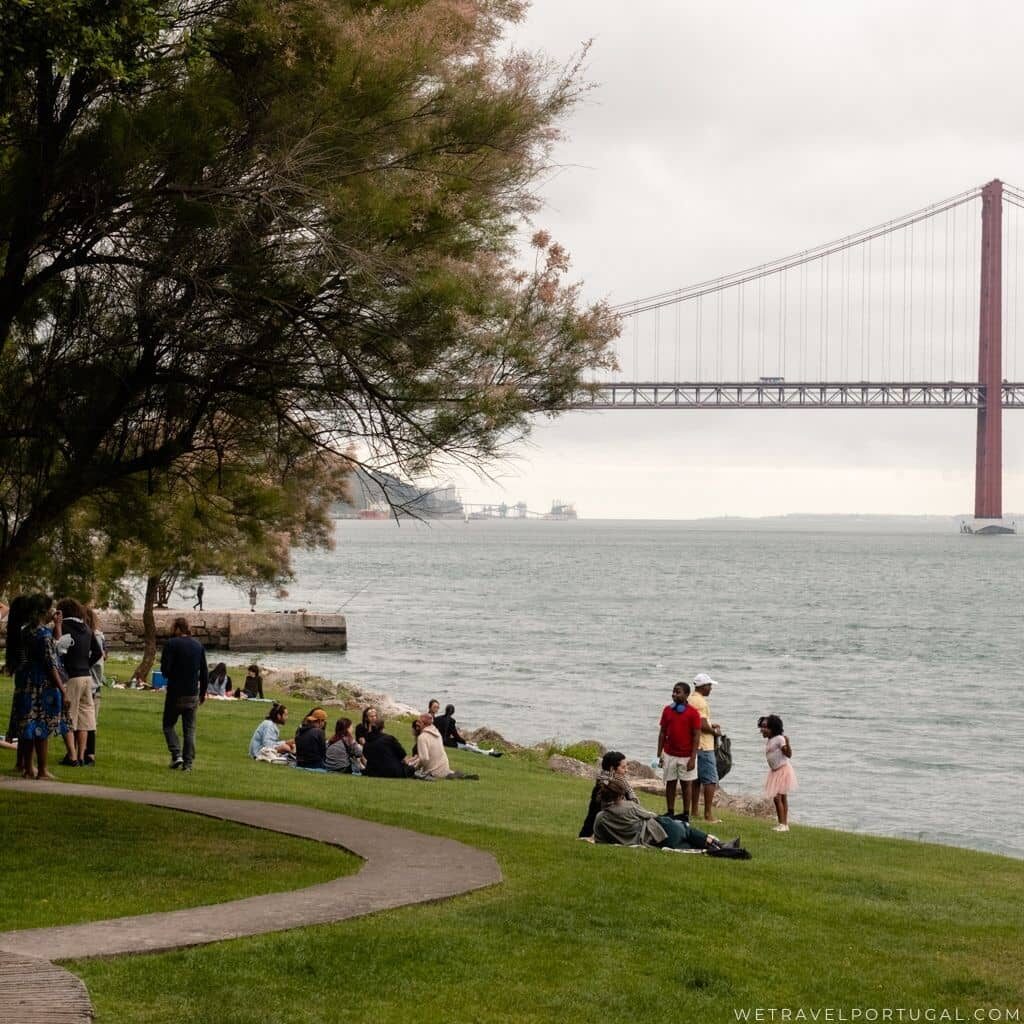
How often does it Rain during November in Portugal?
November is often seen as the official start of the rainy season. Some parts of Portugal, like the Algarve and Alentejo region often don’t get rain between May and October, and November is when the weather takes a turn for the worse.
November is one of the wetter months of the year in Portugal, particularly in the north. That doesn’t necessarily mean days of continuous rain, however. A typical November can bring a mixture of showers, cloudy periods and bright spells, with weather changing noticeably from one day to the next.
If rain is forecast during your trip, it is worth having a few indoor options planned rather than cancelling your day altogether. Lisbon and Porto have plenty of museums, churches, cafés and restaurants, while historic towns such as Évora, Coimbra and Tomar can still be enjoyable between showers. In the Algarve and Alentejo, the weather is generally drier, although November rain is still possible.
The most recent averages for rain in Portugal published by its weather agency suggest that in the Algarve, you can expect around 9 days of rain in November. In Lisbon you can expect around 10 rainy days, and in Porto around 15 rainy days.

Can You Go to the Beach in November?
If you are lucky, then you might be able to squeeze in a beach day or two in the Algarve. If you’re brave enough to go for a swim, or you’re used to cold water swimming then you can still go for a dip too! Although there is a noticeable drop in water temperatures compared to the traditional summer months.
The Algarve is your best bet for warm, sunny days, particularly in the eastern Algarve, where the coast is generally more sheltered. The Atlantic is still relatively mild compared with many parts of Europe, but the water is unlikely to feel warm enough for most people to spend long periods swimming.
The microclimates of the Algarve suggest you should probably consider the east Algarve, over the west Algarve if you’re looking for a reasonably warm beach to visit. The west is much windier and the seas can get rougher, which is great if you’re interested in surfing and wind sports. Less great if you’re a lazing on the beach type.
Take a look at the average sea temperature below to see how they match up to your usual beach destinations, and if you think you’re brave enough to go for a swim!
| August | September | October | November | |
| Max | 23.3°C (72.7°F) | 22.9°C (72.2°F) | 22.6°C (71.7°F) | 20.9°C (69.6°F) |
| Min | 20.1°C (69.5°F) | 20.4°C (69.7°F) | 20.3°C (69.4°F) | 18.2°C (64.7°F) |
What to wear during November?
The keyword is layers. The bright sunshine can heat things up quickly and you’ll find yourself wanting to shed a layer or two during the daylight hours. However, temperatures do quickly drop during the evening, and there can be very cold mornings for the early explorers. A rain coat is essential too, for anyone that might be far away from shelter during a rain storm.
We always advise solid footwear for visitors, the cobblestones and calçada can be uneven and slippery on the best of days. When wet, it can easily be a slip hazard so good sturdy footwear is essential during the wet season.
Is Portugal Busy in November?
November is one of the quieter times to visit Portugal. The major summer crowds have disappeared, and you’ll generally find shorter queues at popular attractions and considerably less pressure on accommodation than during July and August.
This is one of the things we particularly like about travelling around Portugal at this time of year. The places that can feel crowded in summer have a totally different atmosphere in November, and there is more opportunity to explore at your own pace. We’ve also found that accommodation prices can drop significantly outside the main season, although prices vary considerably depending on the destination and dates.

November is also when you can take advantage of some of the lowest prices of hotels and accommodation. We’ve had stays in accommodation that usually costs around €200 a night in the summer, for less than €50 a night in November. It’s even still been warm enough to take advantage of the pools and the full facilities of the hotels!
Where to Visit in Portugal in November
November is a fantastic time to really to get to grips with the cultural side of Portugal, and also it’s natural side.
Lisbon
Lisbon is one of the easiest places to visit in November. The cooler temperatures make walking around the city’s hills much more comfortable than in summer, while museums, historic buildings, cafés and restaurants give you plenty to do when the weather turns. It’s also a good base for day trips to places such as Sintra, Cascais and Setúbal, although you’ll want to check the forecast before committing to an outdoor-heavy day.
Porto
Porto is cooler and wetter than Lisbon in November, but that doesn’t make it any less interesting. This is a good time to explore the historic centre, visit the city’s wine cellars, spend time in its museums and settle into one of the city’s restaurants when the weather is grey outside. If you have several days, you can also head into the Douro Valley, where the landscape takes on its autumn colours.
The Alentejo
November is an excellent time to explore the Alentejo. The intense summer heat has disappeared, making it much easier to walk around towns such as Évora, Estremoz, Monsaraz and Marvão. It’s also a good season for visiting wineries and exploring the region’s food culture without the heat of July and August.
The Algarve
The Algarve is the region to choose if warmer weather is your priority. Don’t expect summer conditions, but sunny days are still possible and the beaches are dramatically quieter. November is particularly good for exploring the towns, walking sections of the coast and visiting places that can become extremely busy during summer.
Central Portugal
Central Portugal is another good option if you’re interested in history rather than beach weather. Coimbra, Tomar, Óbidos and the surrounding towns have plenty to explore indoors and out, while the cooler temperatures make walking around historic centres much more comfortable than in the height of summer.

What to Do in Portugal in November
November is a good month to slow down and explore the parts of Portugal that don’t depend on sunshine. Spend a morning wandering through a historic town, visit a museum or monument, then take your time over lunch. For us, its the perfect time to really explore the towns like Alcobaça, Tomar, or head to the rural villages like Monsanto, and Belmonte.
It’s also a good season for food and wine. The summer heat has gone, making long lunches, regional dishes and wine tasting particularly appealing. In the Alentejo and Douro, autumn landscapes add another reason to get out into the countryside.
On dry days, take advantage of the cooler weather to walk. Coastal trails in the Algarve, historic streets in Lisbon and Porto, and countryside routes around the Alentejo can all be more enjoyable without the intense heat of summer. Just check the forecast before setting out and make sure to take a waterproof layer with you.
What Events Happen in November?
November brings a mixture of food, wine, religious and traditional events across Portugal. Some are large annual festivals, while others are much smaller local celebrations that can be particularly interesting if you’re already travelling through the region.
One of the best-known traditions of the month is São Martinho, celebrated around 11 November. The day is associated with roasted chestnuts and new wine, and you’ll often find small local celebrations, chestnut stalls and seasonal food around the country. Other November events include horse fairs, wine festivals and cultural events, but dates and programmes vary from year to year, so check the official event information before planning a trip around a particular festival.
Some of the biggest annual events that happen in November:
Maratona do Porto
The Porto Marathon takes place on the first Saturday of November, starting and ending in the Parque da Cidade. The marathon course shows the best of this region by going over bridges and past wine cellars in the coastal cities of Porto, Matosinhos, and Gaia. If you’re feeling very adventurous then for for €50 you can register for the race, or if you’re less adventurous join in the sporting festivities and celebrations for free with an estimated 15,000 spectators.
Lisbon and Sintra Film Festival
Set in both in Lisbon and nearby Sintra, this annual festival offers film screenings, conferences, readings, master classes and debates, and exhibitions for two weeks in mid-November each year. The festival hosts a diverse array of both international and domestic artists and film makers.
Feira de Sao Martinho in Portimão
Saint Martin’s day falls on November 11th each year, and the city of Portimão holds it annual festival celebrating the feast. It’s been held since 1662 and is one of the longest running fairs in Portugal. Today it’s a large fair with rides, concerts, local arts and crafts, and food, that usually takes place over ten days starting a few days before Saint Martins day, and ending a few days after. It’s a wonderful slice of Algarve culture.
Feira Nacional do Cavalo Golegã
Portugal is famed within the horse world for its breed of horse, the Lusitano. Feira Nacional do Cavalo Golegã is where this breed and the country’s equestrian heritage is celebrated. As it’s also part of the Saint Martin’s Day celebration, this is yet another Portugal’s traditional fairs in Trás-os-Montes this time. You’ll find traditional food and drink – it’s part of the local harvest celebrations, as well as folk songs and dance, and of course festivities dedicated to the horse fair.
What to Pack and How to Prepare for a November Trip
The key to packing for Portugal in November is layers. You may have sunny and warm afternoons, particularly in Lisbon, the Alentejo or Algarve, but temperatures drop noticeably after sunset. If you’re coastal, you may also get significant winds so it’s best to have layers you can adapt quickly.
Bring a light waterproof jacket, comfortable shoes with good grip and clothes that can be layered throughout the day. An umbrella can be useful in cities, although a waterproof jacket is generally more practical if you’re planning to walk. If you’re visiting the coast, bring an extra layer for windy days, even when the forecast looks warm.
If you’re travelling around northern Portugal, pack with wetter weather in mind. In the Algarve and Alentejo, you’ll generally need fewer heavy layers, but don’t assume you’ll have summer weather simply because you’re travelling south.
Christmas Lights in November
Oh yes, for fans of Christmas lights and seeing towns and cities lit up in the evening, Portugal is spectacular. Traditionally, you’ll see many of the switching on ceremonies take place from around mid to the end of November. Visiting cities after dark makes a fantastic evening activity, as does seeing many of its attractions lit up in innovative ways during the evening.

Is November a Good Time to Visit Portugal?
November is a good time to visit Portugal if you’re interested in exploring than guaranteed sunshine. You’ll need to accept some rain and cooler evenings, but you’ll also find quieter streets, fewer crowds and much more comfortable conditions for walking around historic towns and cities.
For a first trip, Lisbon and Porto are particularly easy to enjoy at this time of year, while the Alentejo is a good choice for food, wine and historic towns. The Algarve is worth considering if you want the best chance of warmer weather, especially if you’re happy to treat the coast as somewhere to explore rather than relying on it for a traditional beach holiday.
November isn’t Portugal at its sunniest, but it can be one of the more relaxed times to experience the country.
Are you planning a visit to Portugal during November?
Discover More of We Travel Portugal’s Guides:
- The Algarve Travel Guide: Where to Go, What to See
- 7 Day Algarve Itinerary – A Perfect 7 Day Algarve Itinerary
- The Alentejo: Portugal’s Historic Towns, Vineyards and Wild Coast
- Central Portugal – Exploring Portugal’s Most Diverse Region
Find Us In Other Places
