
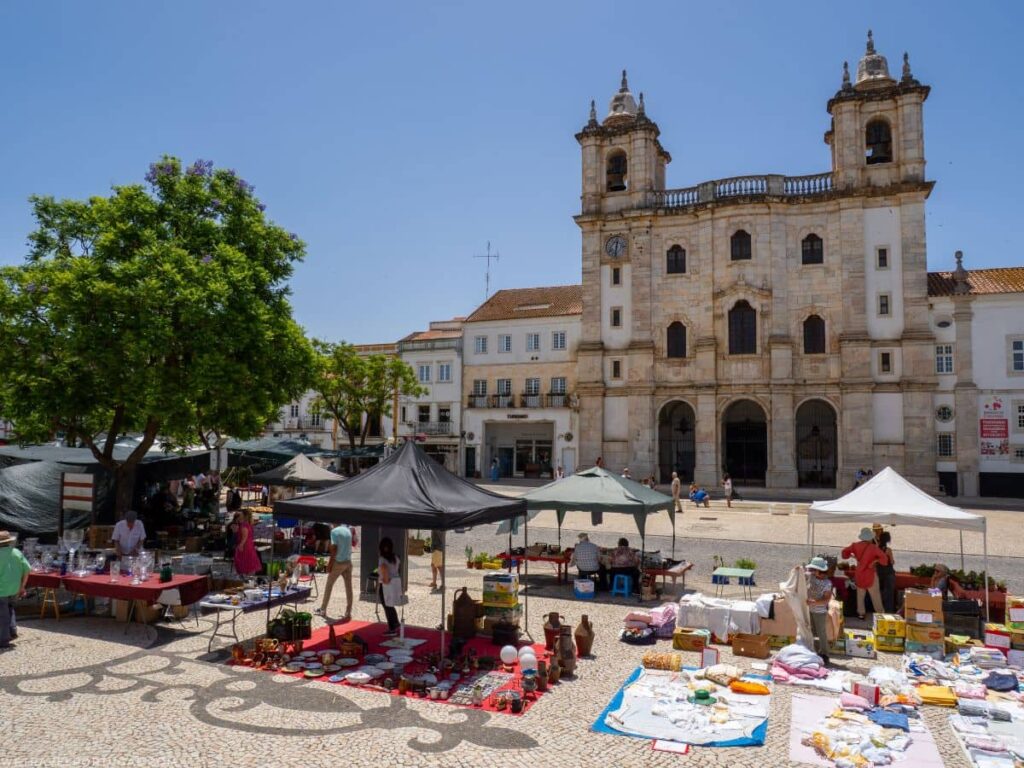
Estremoz is one of my favourite towns in the Alentejo, it is widely known for its hilltop castle, marble architecture, clay figures and arguably the best vintage market in the whole of Portugal! It’s located between Évora, Elvas and Vila Viçosa, it makes an easy day trip but also works perfectly well as a base for exploring the nearby marble towns and vineyards of the north Alentejo.
The White City: Marble Everywhere
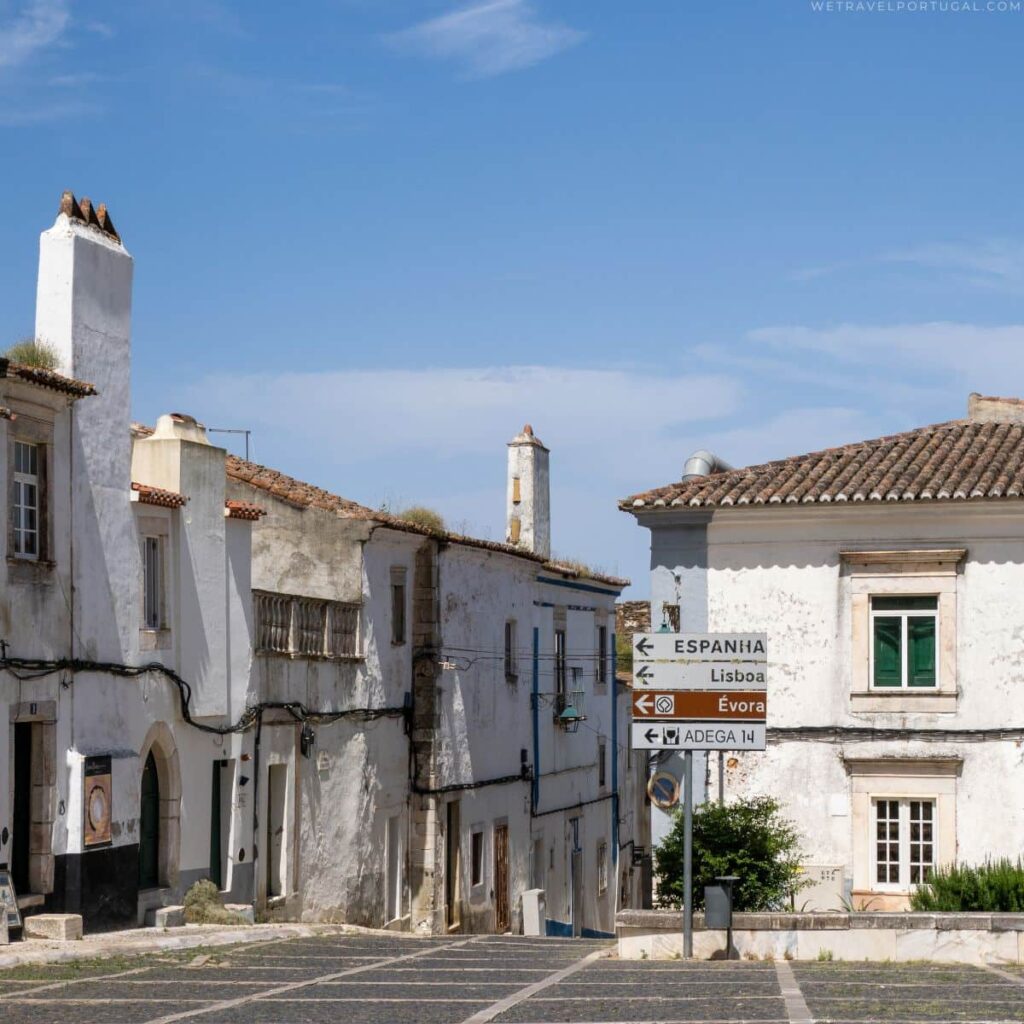
Estremoz goes by the local nickname of ‘cidade branca’ or ‘the white city’ and that’s largely due to the nearby marble mines, and just how much of the city is constructed with the material. Marble appears everywhere you look, not only in the grand buildings, but also in doorsteps, pavements, fountains and the smaller details that make up the town. Even the simple streets can feel unusually elegant because marble is used so casually and abundantly.
The town is not only famous for its marble, but also its protected UNESCO World Heritage Clay figures, which add another layer of local character. These clay figures depict rural, religious, and popular local traditions in miniature form.
If you can, plan your visit around a Saturday morning, when the weekly market fills Rossio Marquês de Pombal with antiques, local produce, ceramics, tools, textiles and food.
Is Estremoz Worth Visiting?
Estremoz is absolutely worth visiting if you are interested in historic towns, traditional crafts, vintage markets, wine or the culture of the Alentejo. It doesn’t have the fame of Évora, or the fortified grandeur of Elvas, but it offers a more every day and personal experience of the region. With that, there’s also less tourists, so it often feels like you’re the only people that have stopped to explore the town.
How long should you Spend in Estremoz?
For a quick visit, allow at least half a day. For the best experience, arrive on a Saturday morning, visit the vintage market, explore the upper part of the town and stay for lunch.
For a longer visit, then the afternoon can be completed with the Tile Museum and some wine tasting. If you are using Estremoz as a base, two nights gives you ample time to explore nearby Vila Viçosa, Borba, Evoramonte, Elvas or Évora.
The Best Things to See and Do in Estremoz
Estremoz is divided between the lower town, centred on Rossio Marquês de Pombal, and the older upper town around the castle. We recommend starting at the market square and then walking uphill through the historic streets towards the castle and former royal quarter. Unless you’re staying at the fantastic Pousada which is on the hilltop. In that case, start up top and head down towards the town.
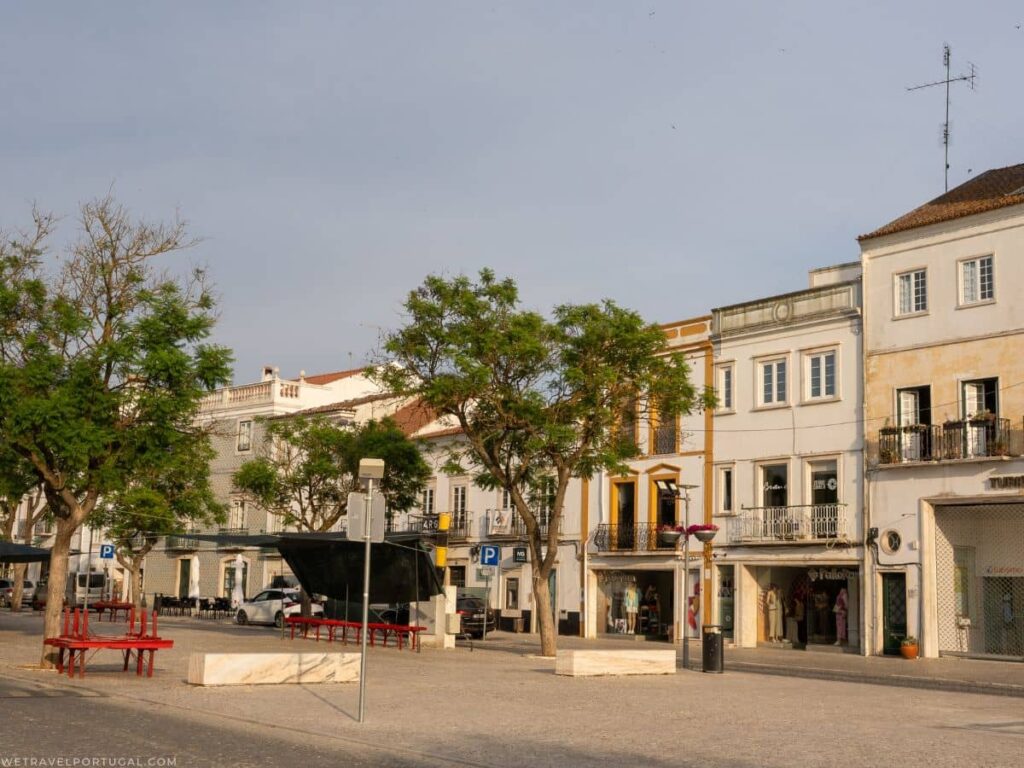
Explore Rossio Marquês de Pombal
Rossio Marquês de Pombal is the heart of Estremoz and one of the largest open squares in Portugal. It is surrounded by cafés, restaurants, shops, civic buildings, churches and streets leading into the older parts of town.
The square is especially lively on Saturday mornings, when the weekly market spreads across the space. Even outside market hours, it is a useful place to begin your visit, have coffee and get a sense of the town’s scale.
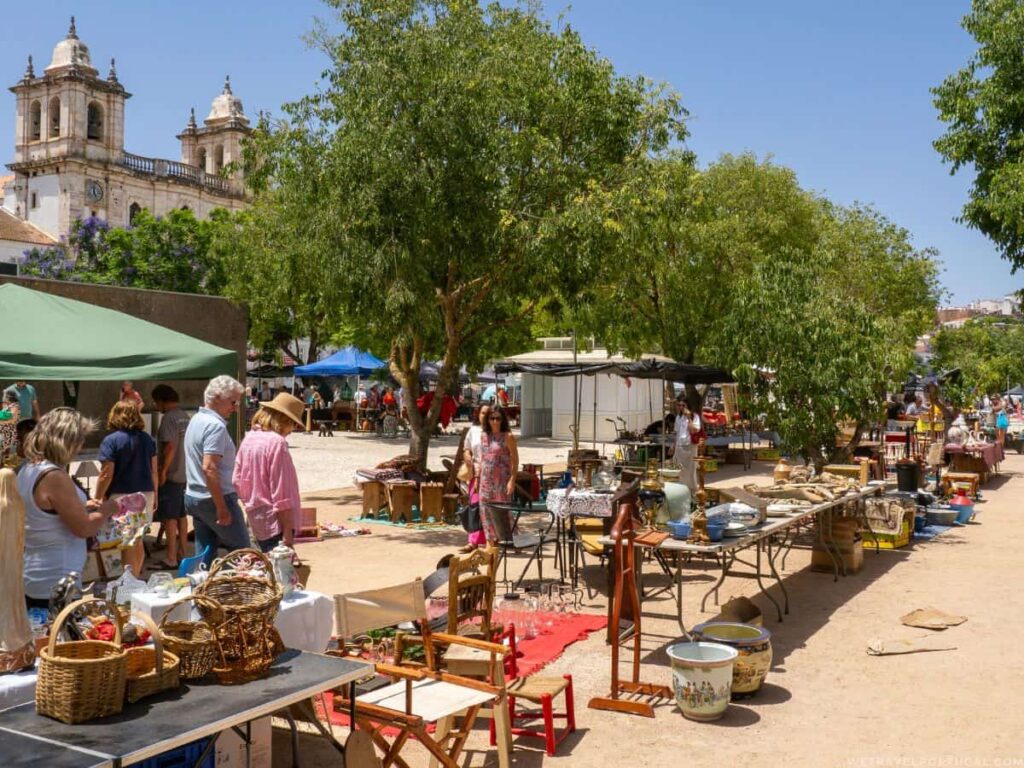
Visit the Saturday Market and Feira de Velharias
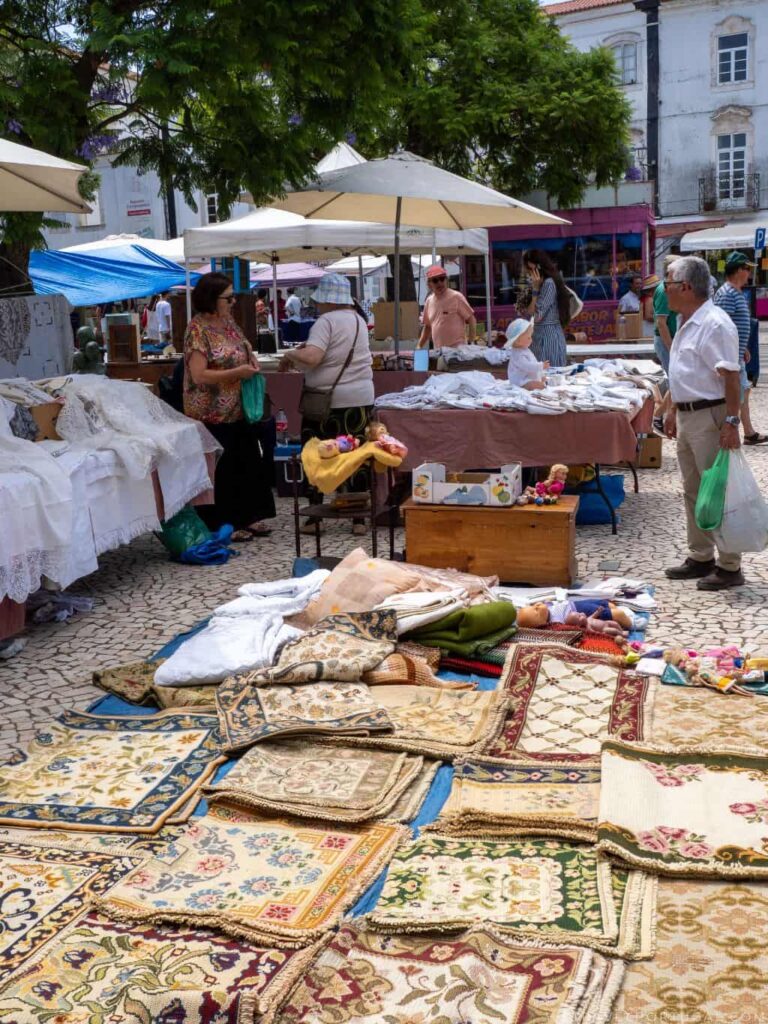
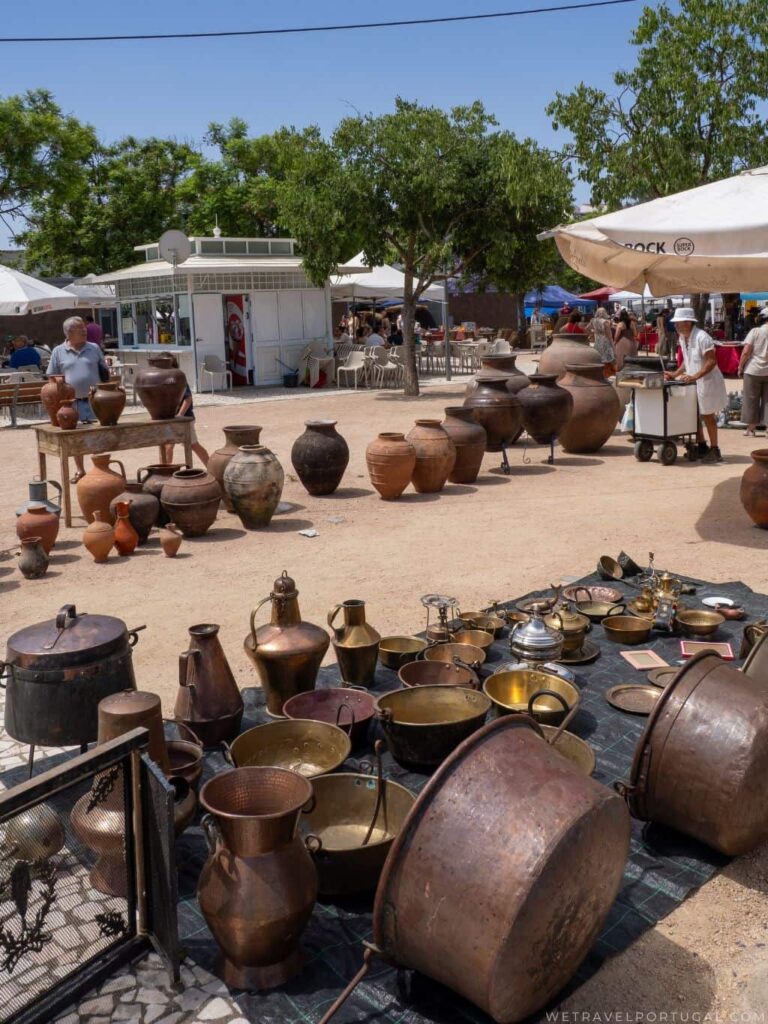
The Saturday market is one of the best reasons to visit Estremoz. It brings together fresh produce, local cheeses, cured meats, olives, plants, household goods, antiques, ceramics and second-hand finds.
Unlike Portugal’s other famed vintage markets (like Feira da Ladra in Lisbon), the vintage market is a genuine vintage market and less of a tourist market. This still feels very much like a regional gathering point, with people shopping, browsing, eating and meeting friends across the square. It is also one of the best places to look for second-hand Alentejo ceramics, old agricultural tools, textiles and small decorative objects.
If your itinerary is flexible, then make sure to plan to visit Estremoz on a Saturday morning. The town feels much more alive, and the market gives you a better sense of the surrounding region than the monuments alone.
Climb to the Castle and Upper Town
The upper town of Estremoz is enclosed by medieval walls and crowned by the castle tower. The climb from the lower town is worth taking slowly, with whitewashed houses, marble details and beautiful views opening as you start climbing.
The castle is closely associated with Queen Isabel of Portugal, also known as Saint Queen Isabel, who died in Estremoz in 1336. Today, part of the former royal palace is used as a pousada, giving the upper town a slightly formal, historic atmosphere.
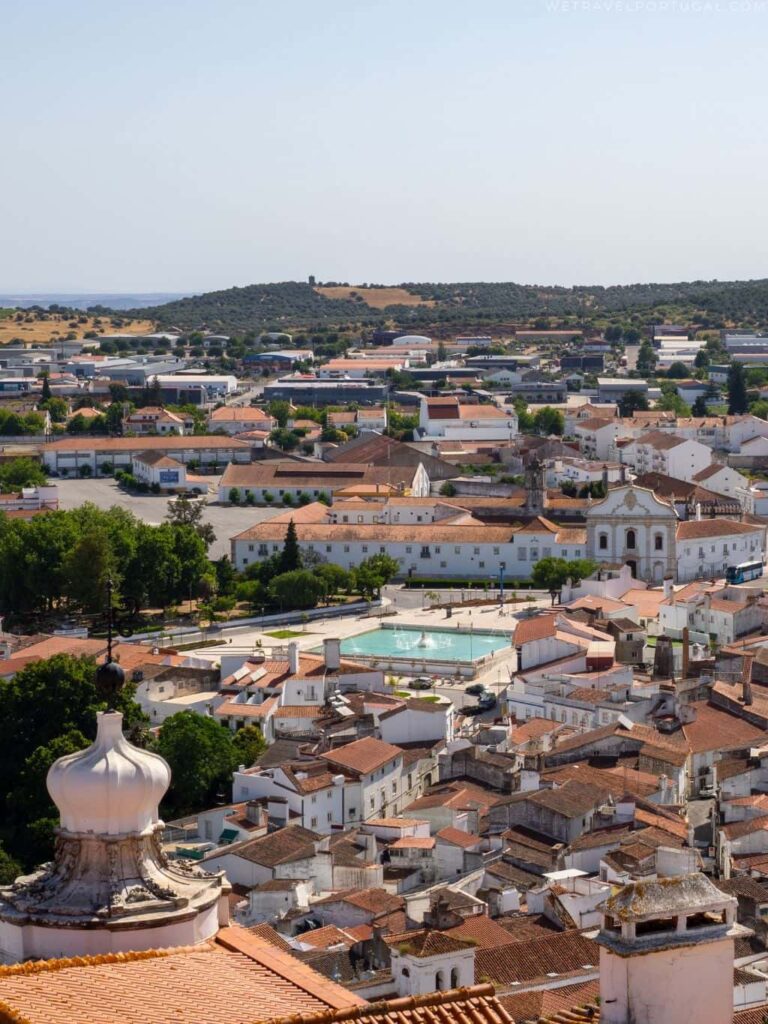
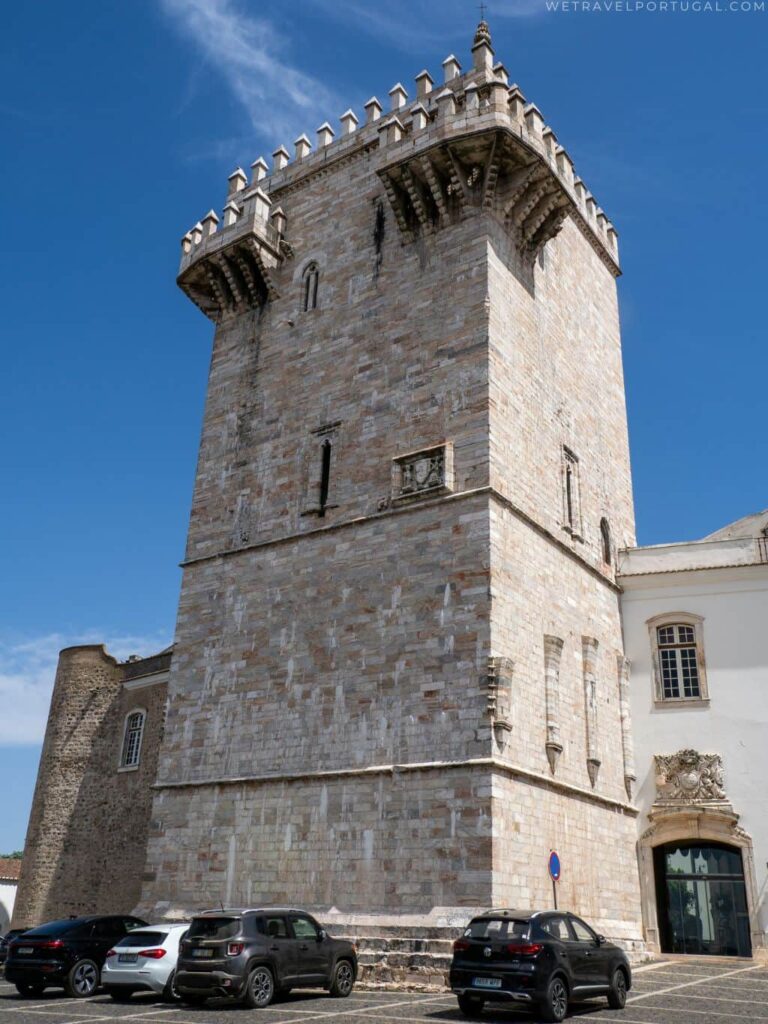
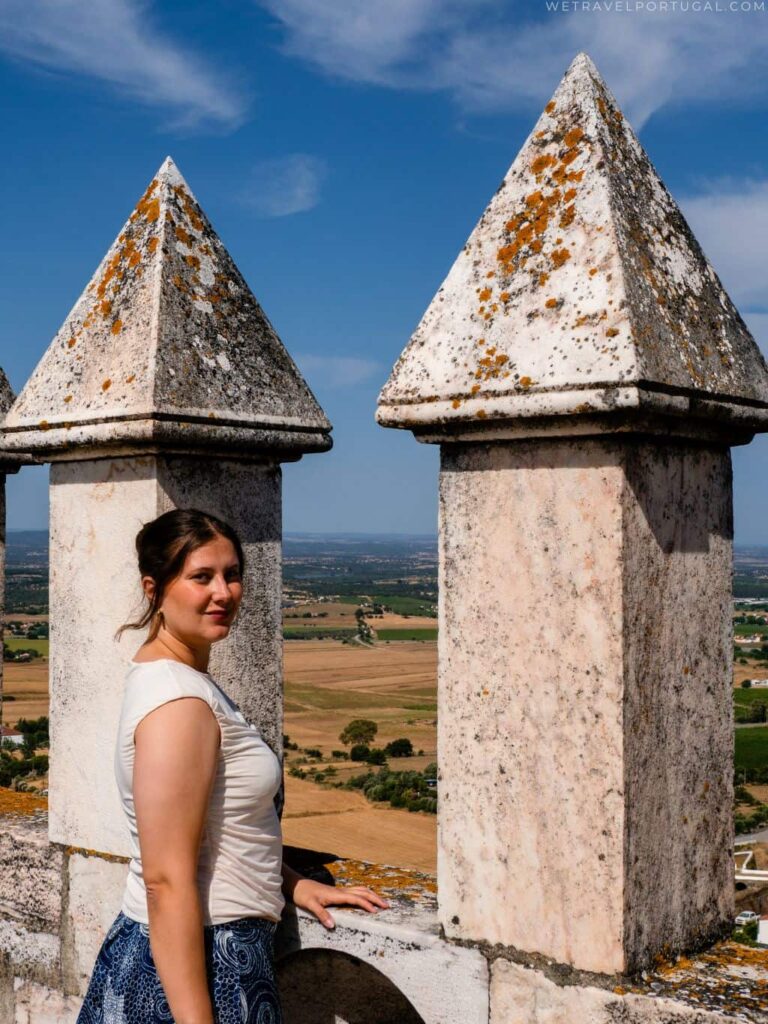
The castle tower (Torre de Menagem de Estremoz) is one of the town’s most recognisable landmarks. Built in white marble, it rises above the surrounding rooftops and offers amazing 360-degree views. You can look down on the town’s terracotta rooftops, the plains of the Alentejo and also spot some of the nearby vineyard terraces.
See the Statue of Queen Isabel
Queen Isabel is one of the most important figures associated with Estremoz, and her memory remains visible in the upper town. She was the wife of King Dinis and became known for her charity, religious devotion and role in peace-making.
A statue of Queen Isabel stands near the castle, reinforcing the town’s connection with her final years. Even if you are not following the full royal history, this area helps explain why Estremoz has a more monumental feel than many smaller Alentejo towns.

Visit the Municipal Museum and learn about Estremoz Clay Figures
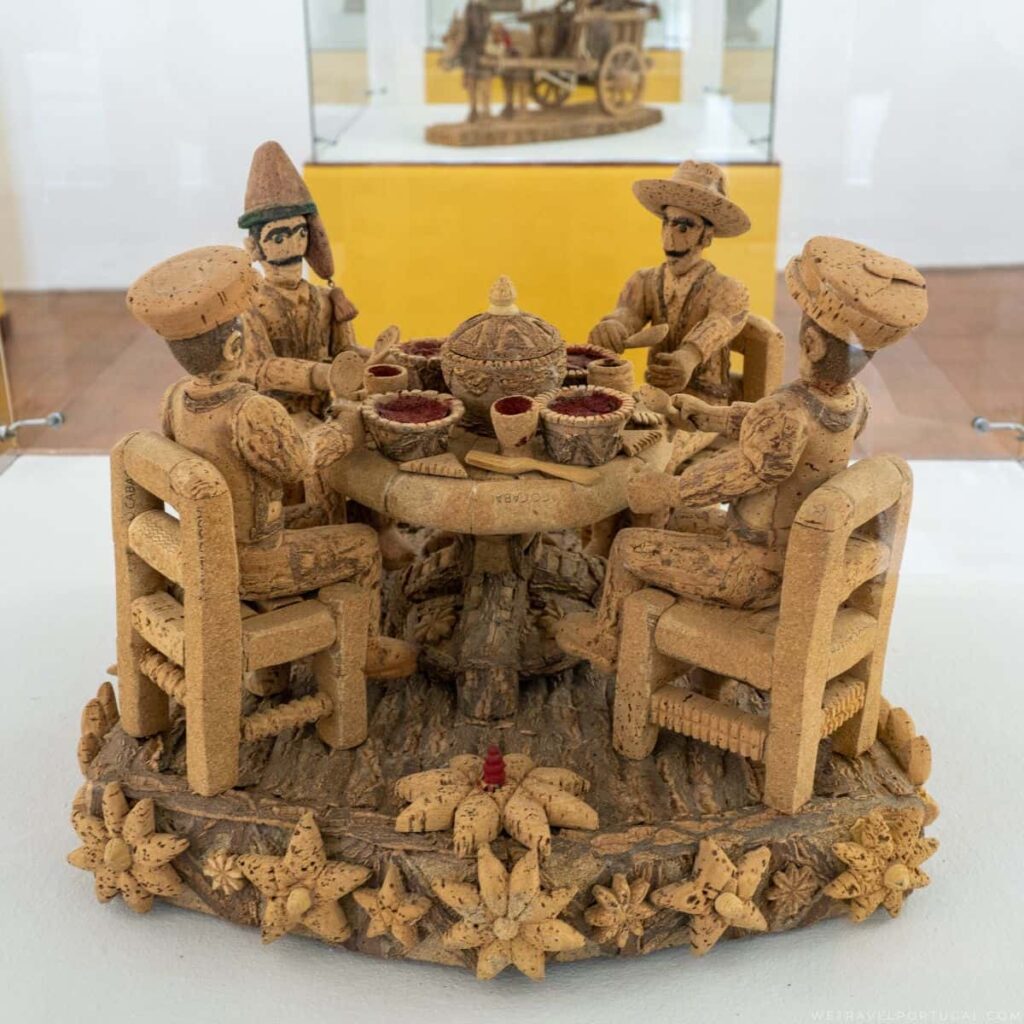
Estremoz is famous for its colourful clay figures, known as Bonecos de Estremoz. These hand-modelled and hand-painted figures often depict saints, nativity scenes, rural workers, musicians, animals, traditional trades and figures dressed in Alentejo clothing.
The craft is one of Portugal’s most distinctive forms of popular art and was inscribed by UNESCO on the Representative List of the Intangible Cultural Heritage of Humanity in 2017. UNESCO notes that the figures are strongly attached to the region and that their viability is supported through workshops, educational initiatives and the local safeguarding centre.
The Municipal Museum (found within the castle walls) and interpretation centre (Centro Interpretativo do Boneco de Estremoz) are great places to understand the tradition before buying a piece. Seeing the figures in context makes it easier to appreciate the work involved and to recognise authentic examples.
Look for Bonecos de Estremoz in Local Shops
After visiting the museum, look for clay figures in local shops and workshops around town. For me, these are the absolute best souvinirs you can find in the Alentejo. Colourful, characteristic and very emblematic of the entire region. You’ll find some that stick to the traditional, while others are adapted to more modern times!
My three favourite shops for browsing are Afonso Ginja – Bonecos de Estremoz, Bonecos de Estremoz Zé Carlos Rodrigues and Irmãs Flores – Loja Artesanato. Additionally, you can find vintage and second-hand models at several antique shops across the city – Antiguidades Nunes, and Galeria de Arte Carmenecita for example.
Admire the Marble Everywhere
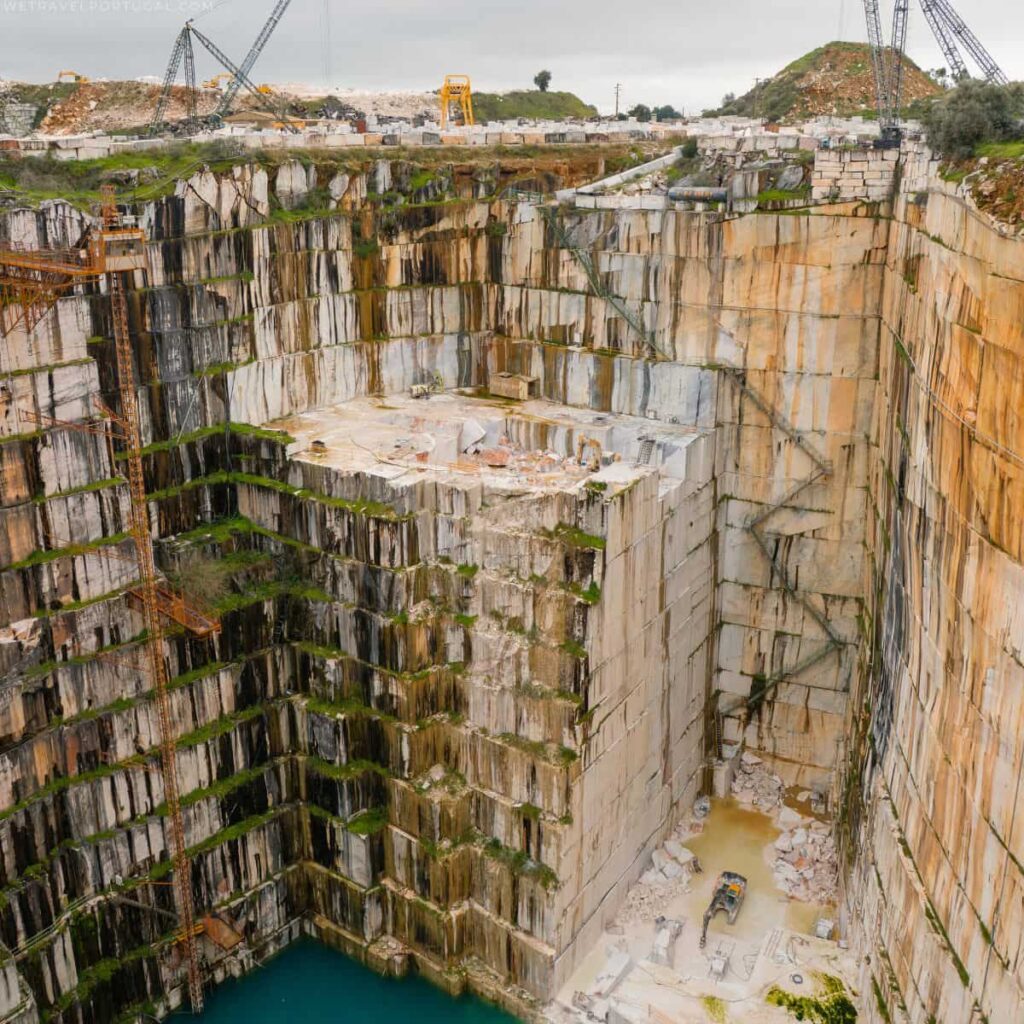
Estremoz is part of the Alentejo’s marble belt, together with nearby Borba and Vila Viçosa. It is surrounded by quarries that have shaped the region’s economy, architecture and visual identity since at least the Roman Era.
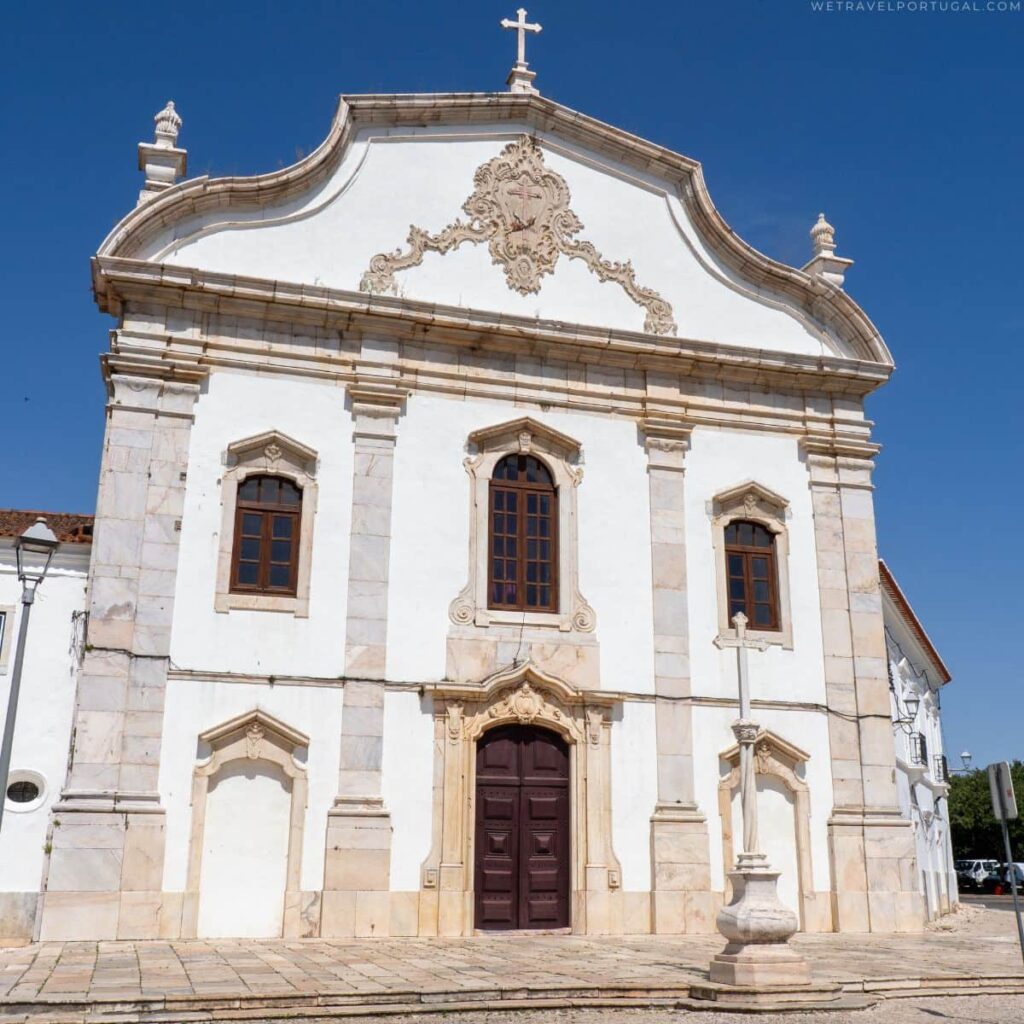
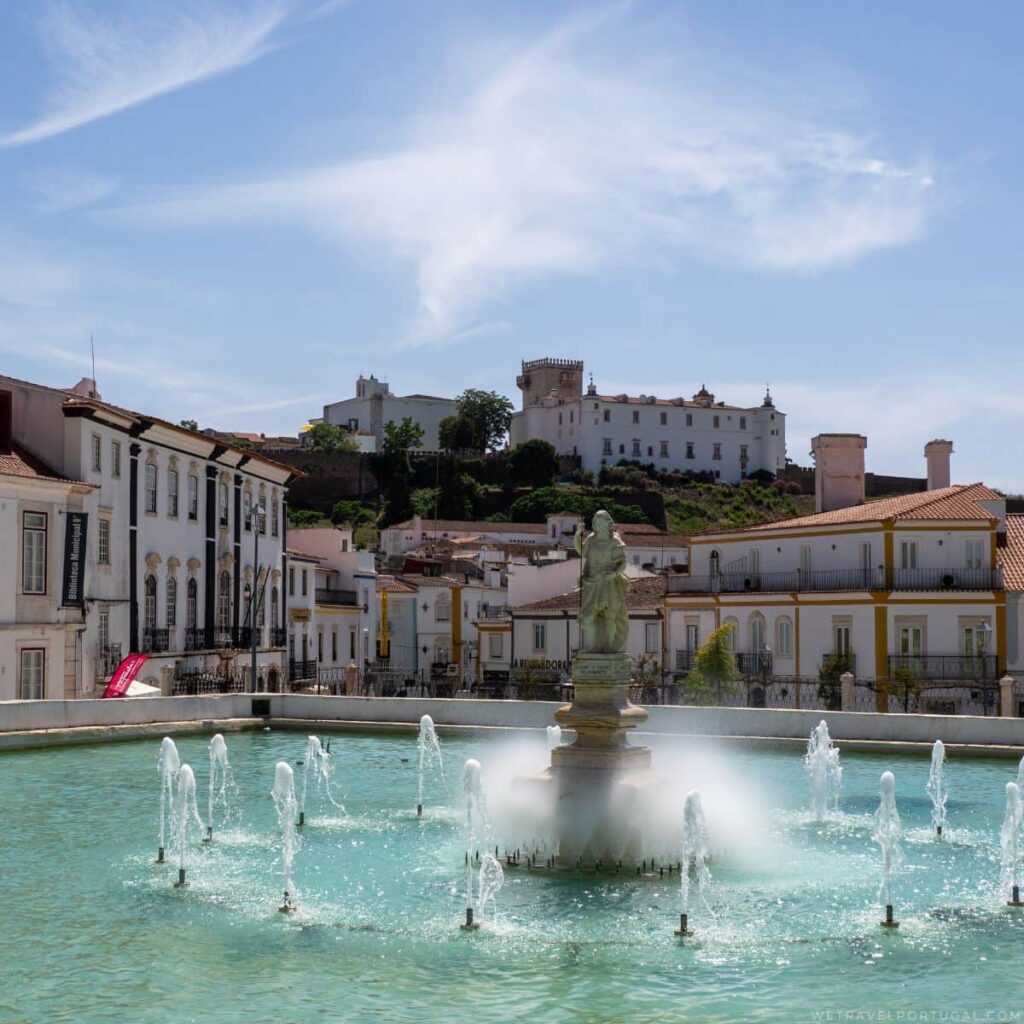
Marble makes up both the grand buildings, but also every day. You’ll find it in window surrounds, doorsteps, fountains, benches, pavements and even the pedestrian crossings. This gives the town a distinctive brightness and texture.
View the Churches of Estremoz
Estremoz has several churches worth noticing as you explore the town. In the upper town, the Igreja de Santa Maria stands near the castle and is one of the most important religious buildings within the walled historic centre.
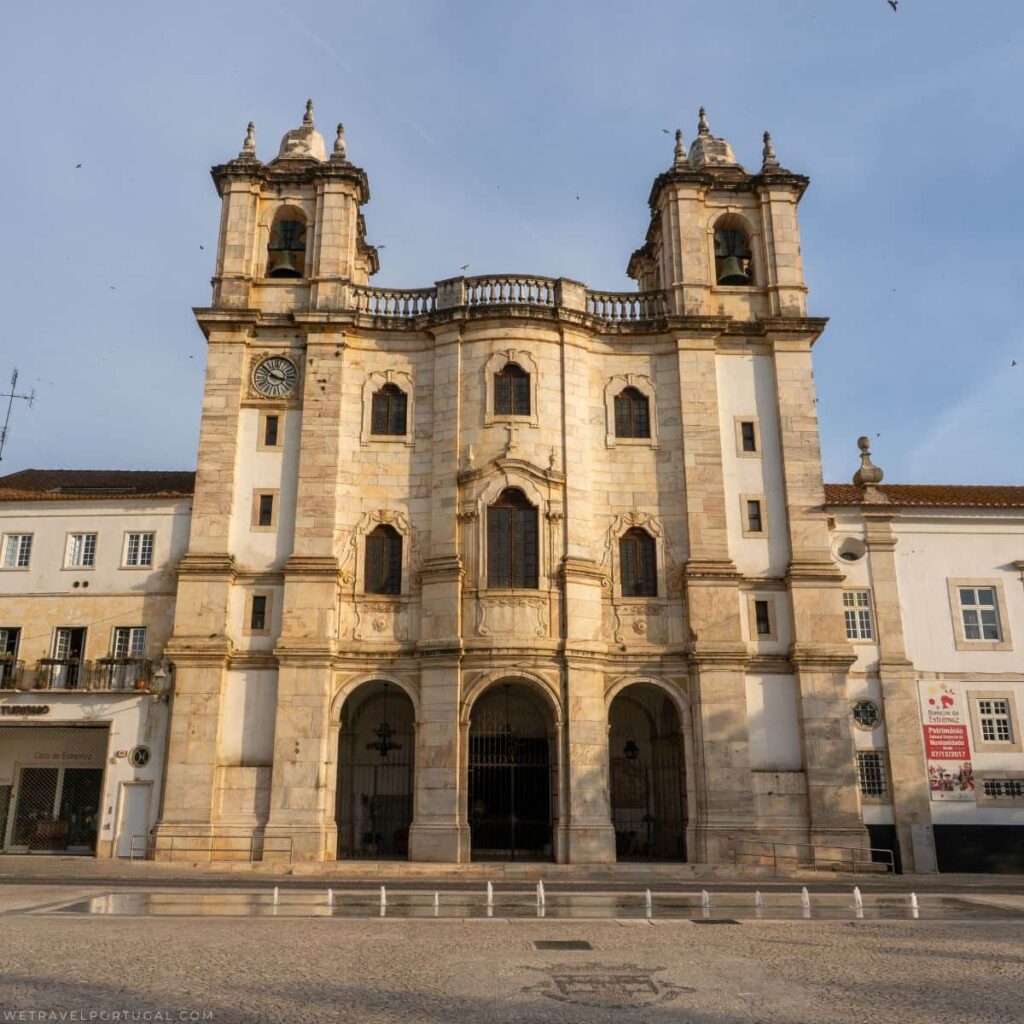
The biggest church is the grand Igreja dos Congregados which sits facing Rossio Marquês de Pombal. Once again made from marble and within the alcoves on the entrance, you’ll find some beautiful azulejo tiles. Unsurprisingly for a royal town, you’ll find 6 historic churches and chapels across it. The most grand is Igreja dos Congregados and its neighbouring convent, which todays houses the camera municipal, town library, and a small museum of sacred art from across Estremoz’s religious history.
Visit the Museu Berardo Estremoz
The Museu Berardo Estremoz is the town’s biggest museum, and biggest attraction if you love Portuguese tiles. Museu Berardo Estremoz holds the biggest private collection of tiles in the whole of Portugal with an estimate 4500 pieces in their archives.
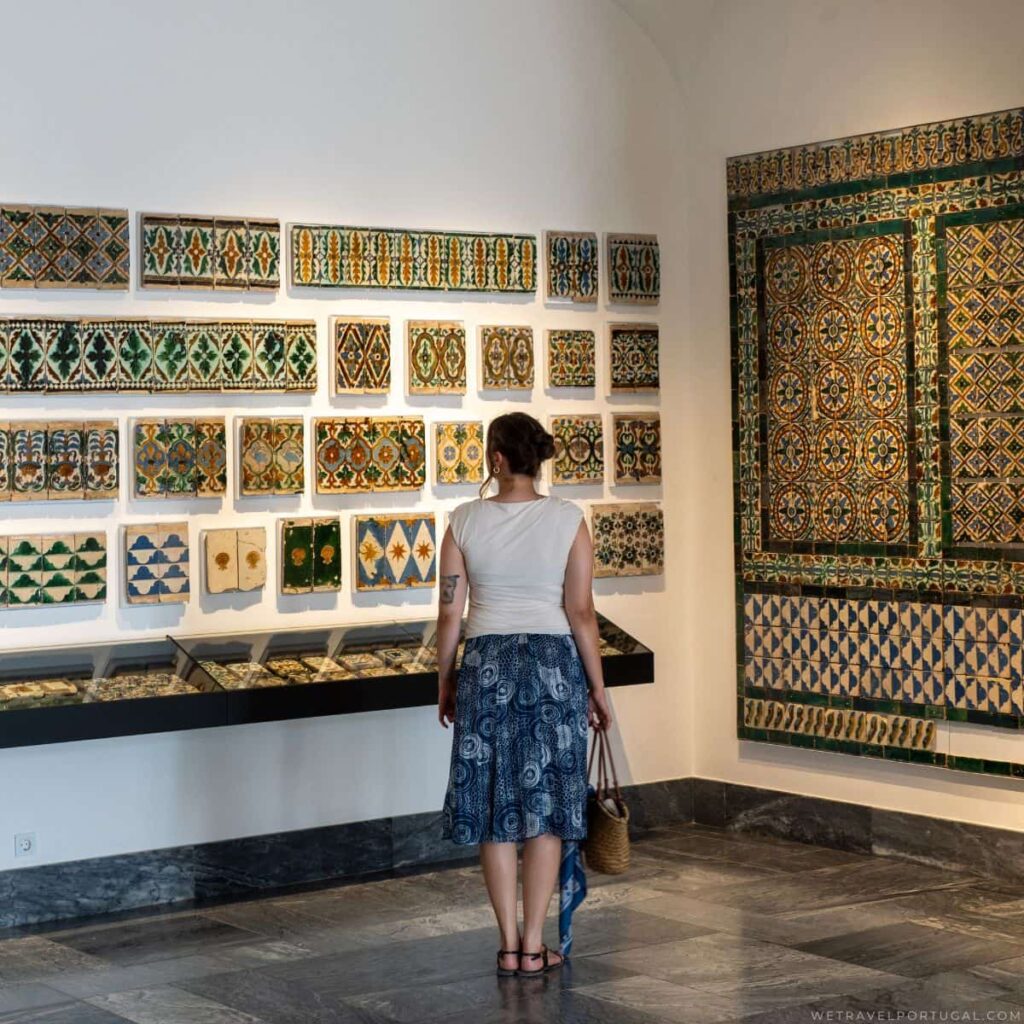
In their museum in Estremoz, you can tour through the restored Palácio Tocha and view the museum’s main exhibition – 800 Years of Tile History. Which takes you through eight centuries of tile-making dating from the 13th to the 21st century. It costs €3.50 to enter and surprisingly includes a wine tasting at the end of your visit!
Why a wine tasting at the end of the museum visit? The collection belongs to José Berardo, a wealthy collector who also happens to be the majority shareholder of the Bacalhôa Winery. So, at the end of your museum visit you get to taste a couple of Bacalhôa’s wine offerings. It’s the first wine tasting I’ve done at the end of a museum visit, and I’m now converted. All gift shops should host wine tastings!
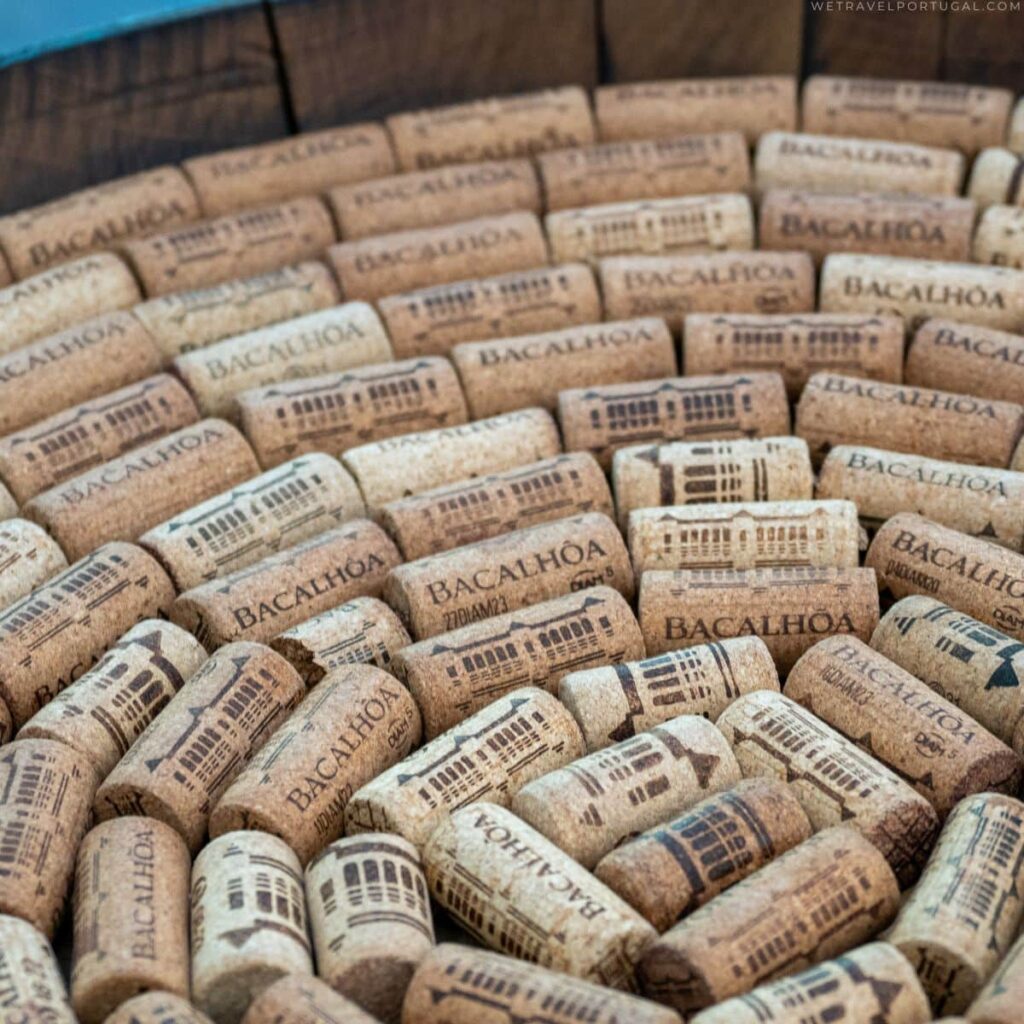
Visit a Winery and Taste Local Wines
Estremoz sits in one of the Alentejo’s important wine-producing areas, with vineyards surrounding the town and several great estates nearby.
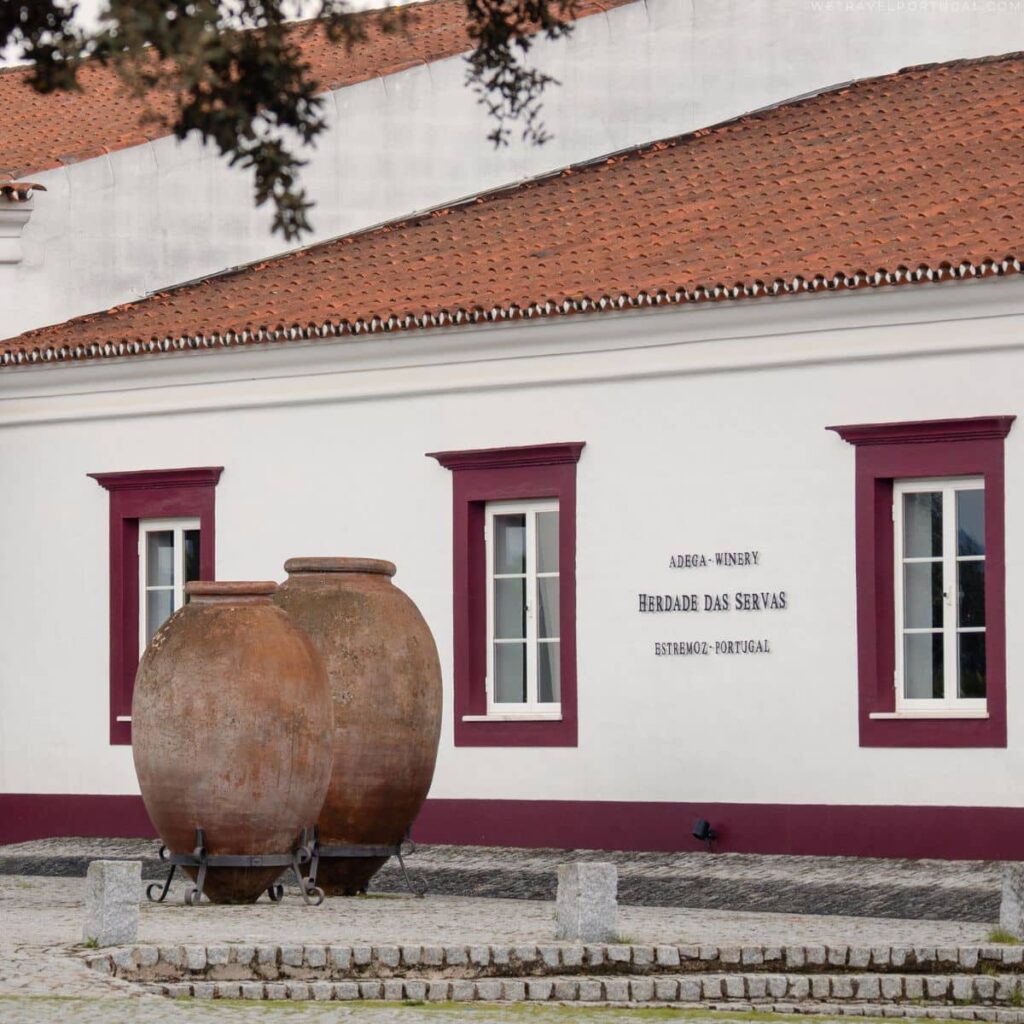
The most famous wineries within a short distance of Estremoz are João Portugal Ramos Wines, and Tiago Cabaço Winery, but you also have boutique producers like Quinta do Mouro and Herdade das Servas too. All four mentioned provide winery tours, tastings, or if you’re short on time have wine shops that you can browse their bottles in. Tours and tastings should be booked in advance though.
Combining the Saturday market, the historic centre, and a nearby wine tasting makes Estremoz one of the most well-rounded day trips in the Alentejo, and a trip I’ve been recommending to everyone recently.
What to Eat in Estremoz
Estremoz is truly the place that made me fall in love with Alentejan food. Everything from the flavours, the methods, and yes, the portion sizes. Look for dishes built around olive oil, garlic, herbs, pork, lamb, game, seasonal vegetables and regional cheeses.
If you’re only in Estremoz for one day and perhaps one meal, my absolute favourite restaurant is Venda Azul. This is classic Alentejo food and you should definitely try black pork or the house style bacalhau. If I’m passing through Estremoz, I’m always trying to see if I can squeeze this restaurant into my plans!
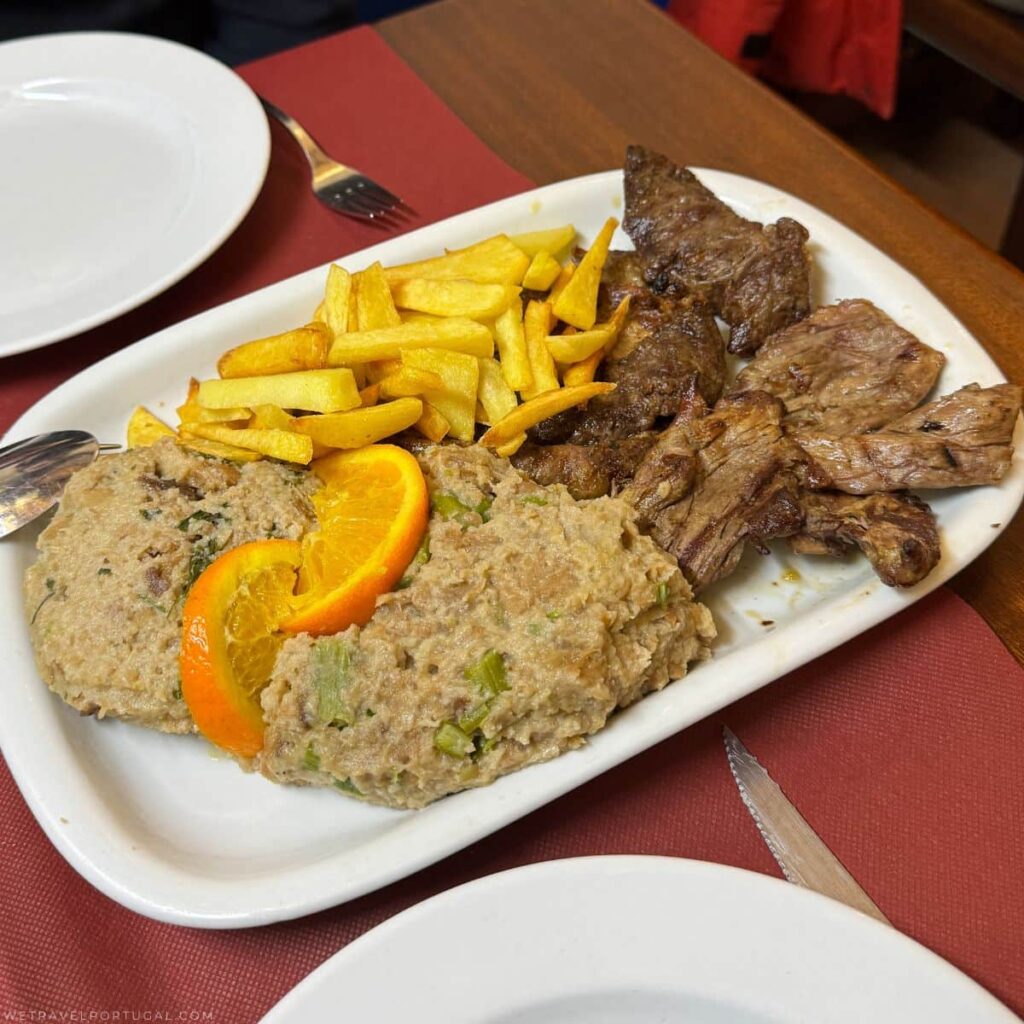
Other great restaurants to check out though Tasca O Carlos, Mercearia Gadanha, Larau, Restaurante Alecrim, Tic Tac, and Casa do Pixa Negra.
Where to Stay in Estremoz
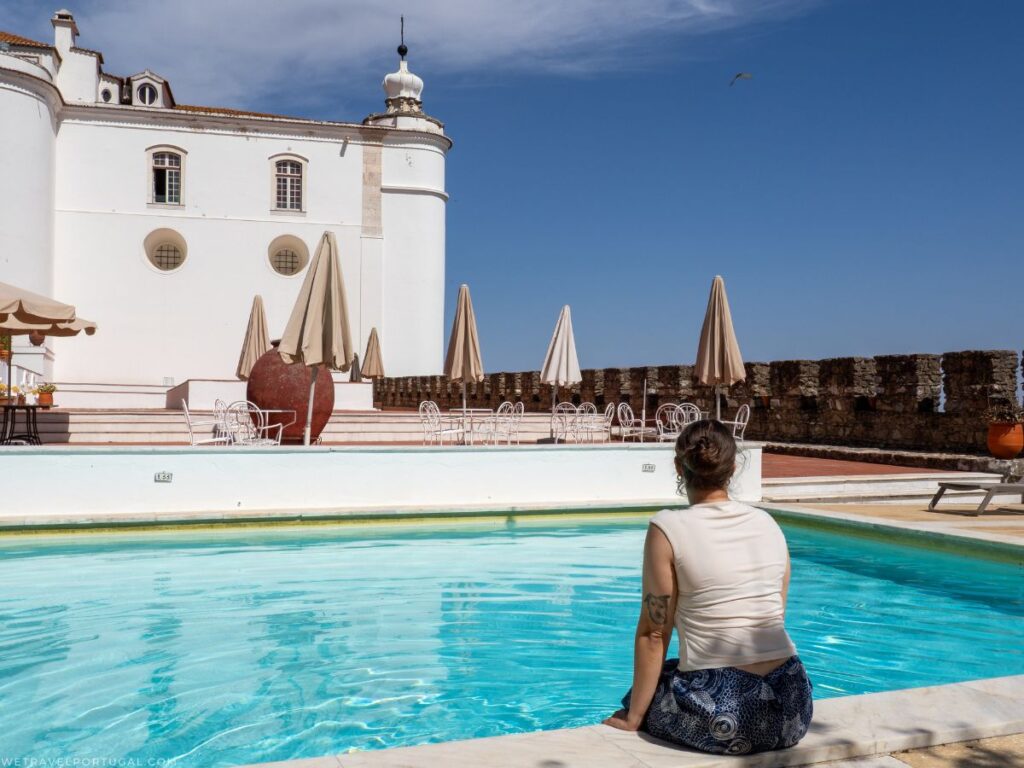
Estremoz can make an easy day trip, but staying overnight allows a much more relaxed visit. Staying in Estremoz is especially useful if you want to explore nearby wineries, the marble towns, and smaller villages. The most atmospheric place to stay is the Pousada in the former royal palace within the castle area of the town.
Pousada Castelo Estremoz could be an attraction in of itself, and I easily spent an hour exploring the accessible rooms, grounds, and castle tower (a small bonus for people staying is you get free access to the tower). This means you can go up as many times as you like to experience the views at all times of the day, the golden hour and sunset is stunning from here. The Pousada also has a pool so if you’re staying during the warmer months, it’s a great place to cool off!
How Long Do You Need in Estremoz?
Half a day is enough to see the main sights: Rossio Marquês de Pombal, the market if it is Saturday, the castle area, the upper town and a museum or craft stop. This is a pretty common itinerary for Saturday visitors travelling from other towns.
A full day is better if you want lunch or dinner, slower wandering, shopping and a winery visit. If you are using Estremoz as a base, two nights allows time for day trips to Vila Viçosa, Borba, Evoramonte, Elvas or Évora.
Best Day Trips from Estremoz
Estremoz is a great place to use as a base for exploring the wider area of the Alentejo around it, and these are some of the best day trips you can make.
- Vila Viçosa is a historic Alentejo town known for its grand Ducal Palace, marble architecture and long association with the House of Braganza.
- In Vila Viçosa you can also find the only tour of a live marble quarry in Portugal! If you truly want to understand the history and context behind the material it’s a brilliant experience.
- Evoramonte has a striking hilltop castle with wide views across the surrounding countryside.
- Elvas offers one of Portugal’s most impressive fortified landscapes, best known for its impressive star-shaped fortifications, military architecture and the enormous Amoreira Aqueduct.
- Évora provides Roman, medieval and Renaissance monuments within a UNESCO-listed historic centre.
How to Get to Estremoz
Estremoz is in the northern Alentejo, around 45 kilometres from Évora and around 170 kilometres from Lisbon. Driving is the easiest and simplest way to visit, especially if you want to combine the town with nearby wineries, or towns like Vila Viçosa, Borba or Evoramonte.
Public transport is also possible, and there are direct buses from Lisbon that take around 2hrs using the Renex services. This works if you’re only considering exploring Estremoz or overnight stays as it will leave you dependant on the smaller local services to explore any further!
Is Estremoz Worth Visiting?
Yes. Estremoz is one of the best Alentejo towns for travellers who want a mix of history, craft, food, wine and local atmosphere. It is especially rewarding on a Saturday morning, when the market brings the town to life.
It may not be as famous as Évora or Elvas, but that is part of its appeal. Estremoz feels rooted in the materials and traditions of the region: marble from the surrounding quarries, clay figures made by local artisans, wine from nearby estates and food shaped by the Alentejo countryside.
