
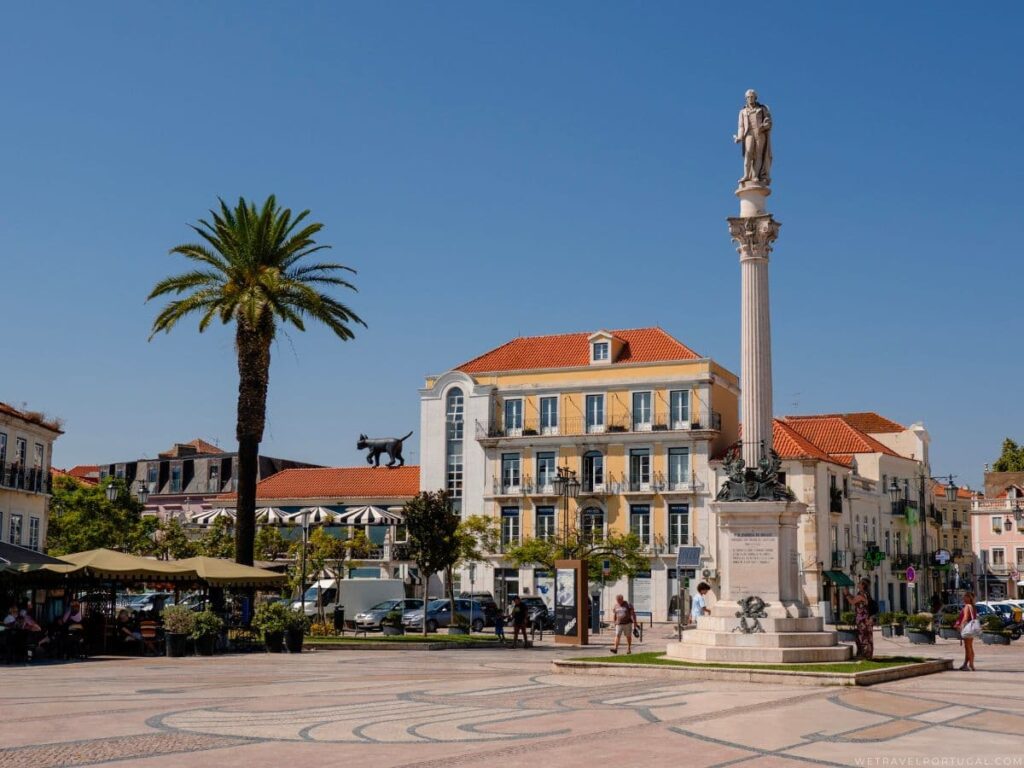
Setúbal is a small city that typically flies under the radar in Portugal. Its reputation is somewhat mixed, often regarded as a suburb or cheaper Lisbon, or an aging industrial town. Yet for people that want to explore further, Setúbal is a surprisingly beautiful waterfront city, with a surprising amount of things to do!
At under an hour from Lisbon, Setúbal makes for an easy day trip. For longer stays it makes a great base to explore the Sado Estuary, the Troia peninsular and Arrabida Natural Park.
How to Get to Setúbal
By road it’s under 50km from Lisbon, and assuming little traffic will take around 50 minutes to drive there. It’s well connected by public transport too, with both a train station and bus station.
Trains are available from Entrecampos, Santa Apolónia, and Oriente and take around 1 hour and 15 minutes.
Buses are available from Sete Rios and Oriente and take around 45 minutes, with both Flix Bus and Rede Expressos making the journey almost every hour. Booked in advance it will cost around €5 each way!
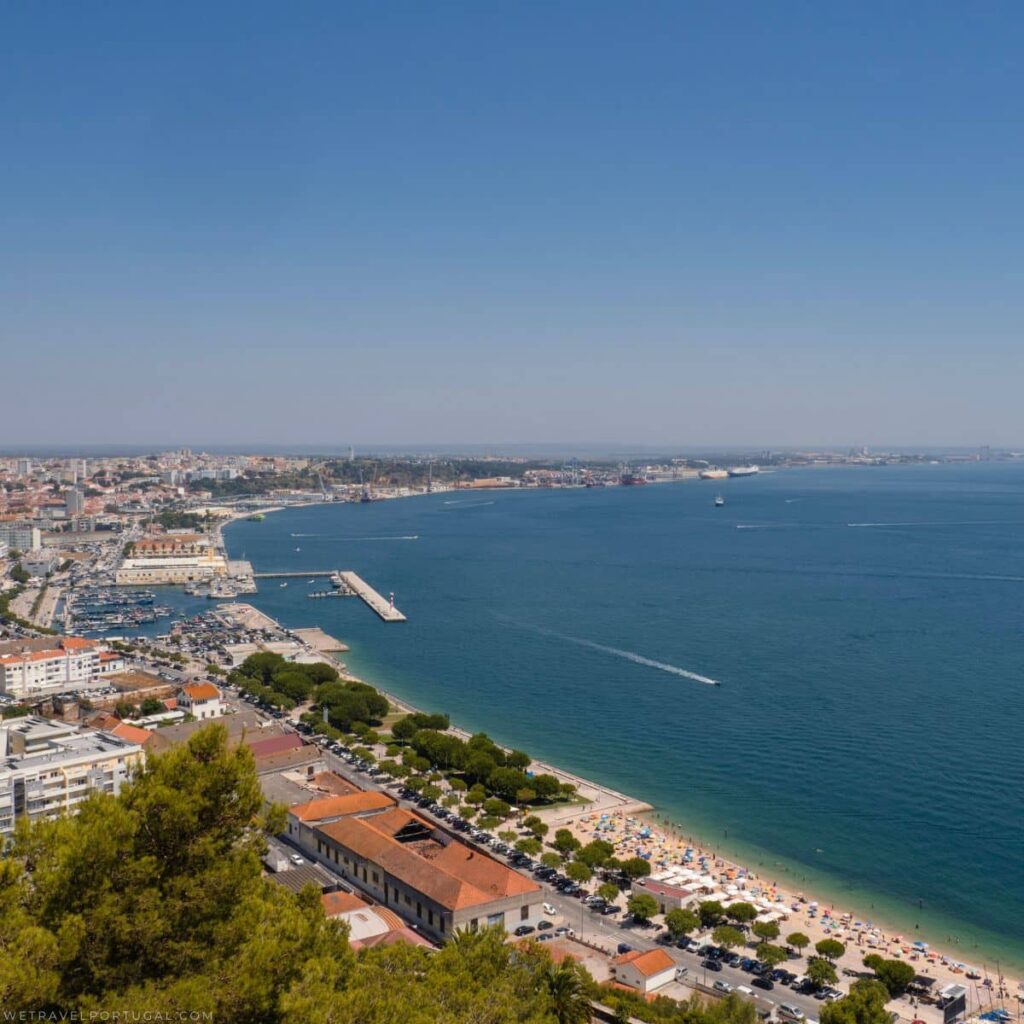
The Best Things to See and Do in Setúbal
Setúbal is a fantastic, compact city, that is very easy to walk around. Explore the streets, buildings, and creative art that can be found all over Setúbal, before diving into its historic sights, or natural wonders.
Praça do Bocage
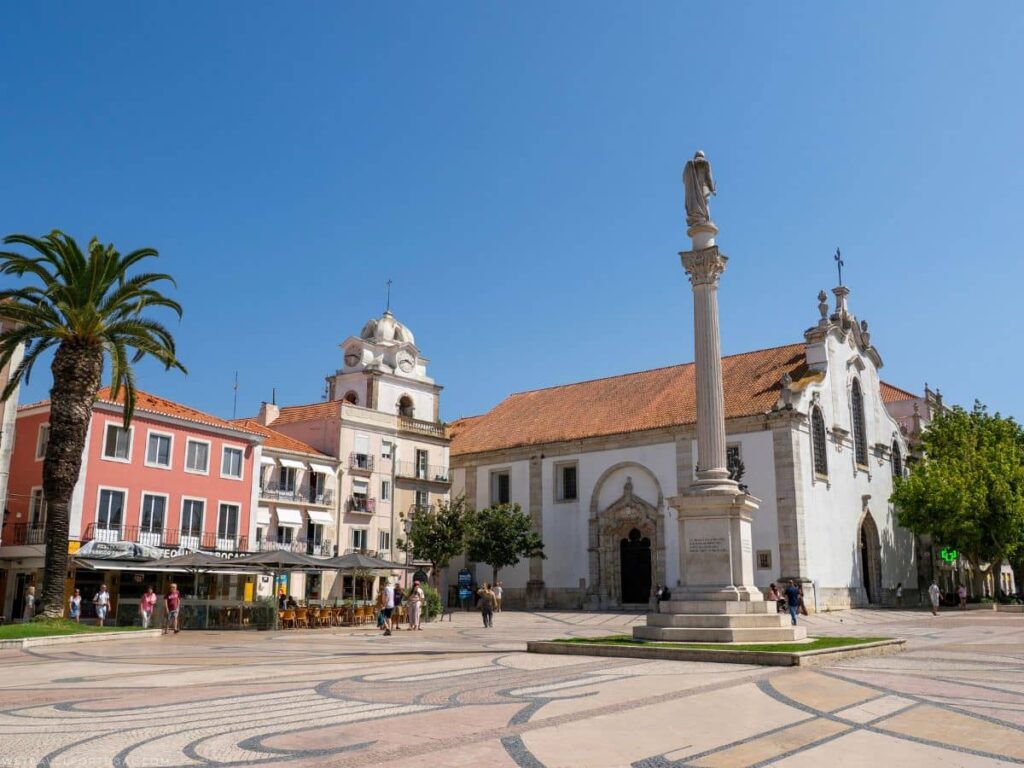
Praça do Bocage is Setúbal’s beautiful centrepiece. A historic square surrounded by cafés, bars, and shops, with the grand purple and white town hall standing out. Originally the square was known as the Praça do Sapal and it dates back to the 15th century. It was renamed to honour the poet Manuel Maria Barbosa du Bocage, and you’ll find a statue of him at the centre of the square.
Igreja de São Julião – The Church of Saint Julian
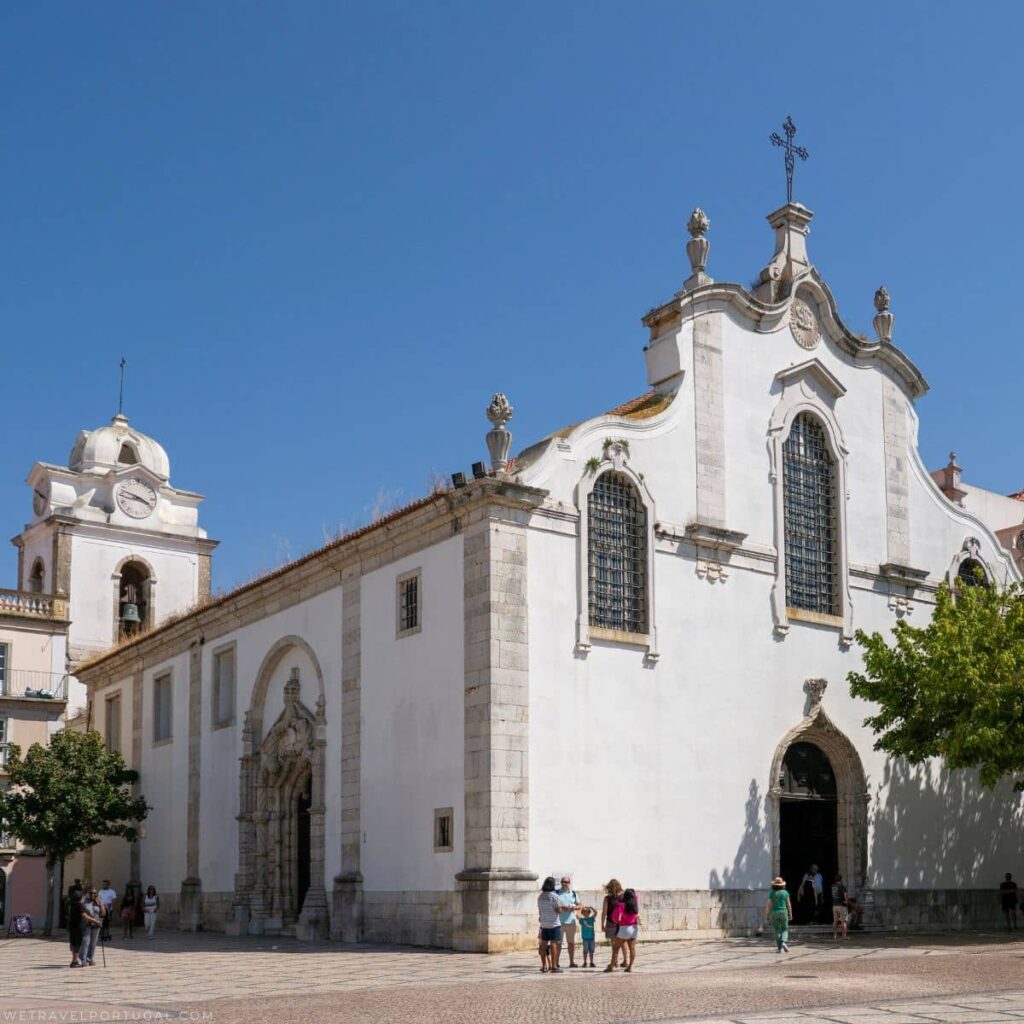
On the southern edge of the square is Igreja de São Julião, and while there is no shortage of churches in Setúbal I do recommend stepping inside this one! A church here originally dates to the 15th century, and you can identify some Manueline features like its side door. However, much of what you’ll see today is actually Baroque construction following the 1755 earthquake.
Igreja de São Julião’s Azulejo Panels
If you’re looking for tiles in Setúbal make sure to fully explore the inside of the church – it has some of my favourites. Interestingly, many of these Baroque panels don’t feature religious scenes like they typically do in churches, but scenes of local daily life.
Mercado do Livramento – The biggest Market in the Region
Heading to the waterfront from Praça do Bocage will lead you to Mercado do Livramento. It’s widely seen as one of the biggest open markets in Portugal and a delight for all of your senses. Huge azulejo panels will greet you as you enter and you’ll soon find an enormous amount of fresh products.
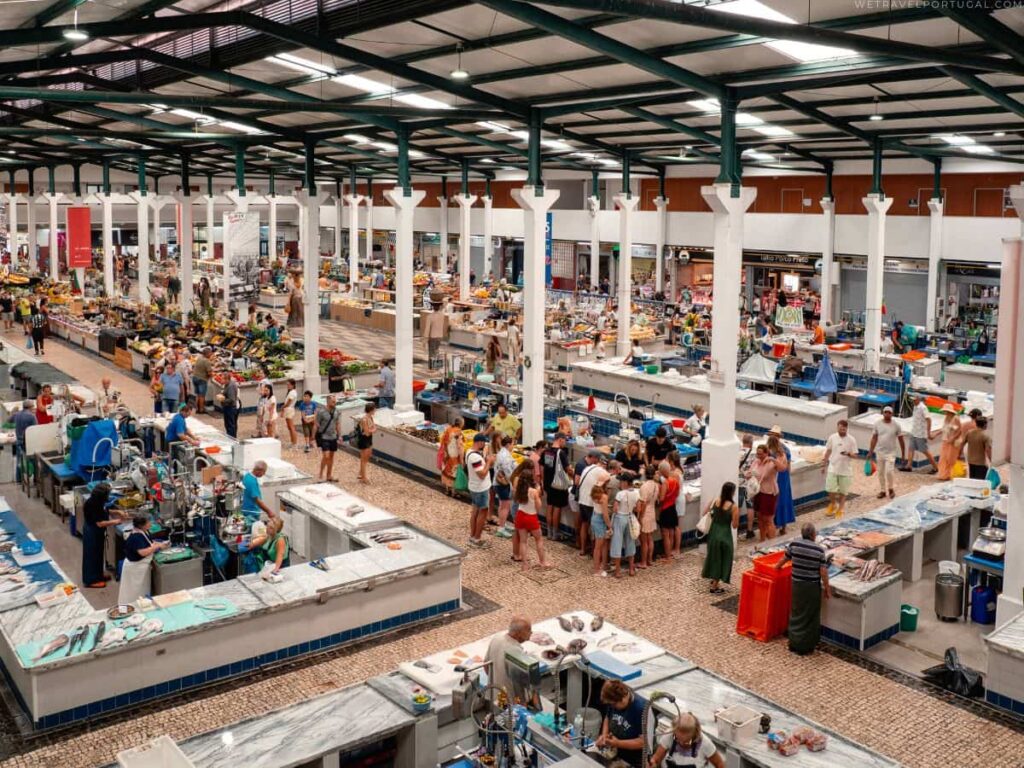
Fruits and vegetables, flowers, cheeses, preserves, smoked meats, as well as a giant fish market are all inside. Around the outside of the market is a selection of café’s and bars too! Officially, it closes at 2pm, but you’ll see things winding down from around 1pm. If you want to see the market at its most hectic then you should try and get here early!
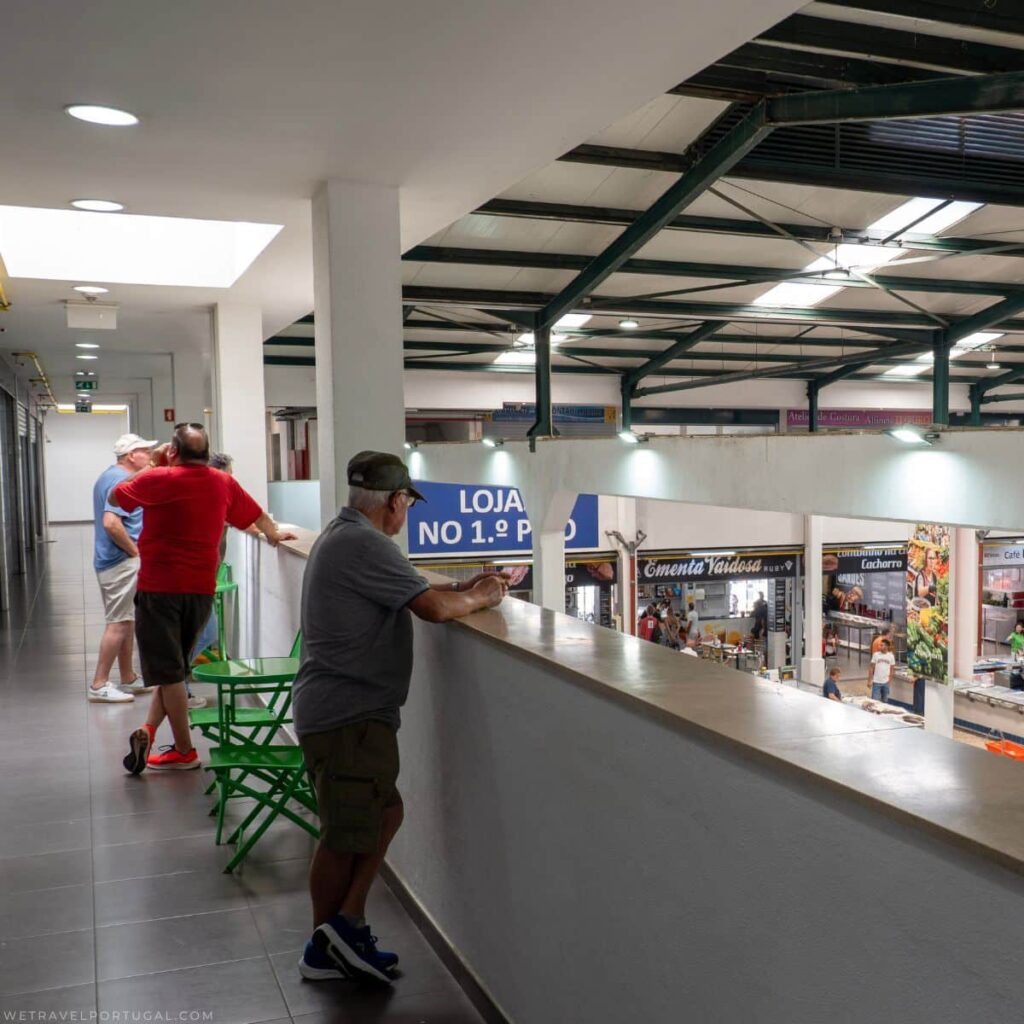
A top local tip – you can get a lovely bird’s eye view of the market from the upper level. You’ll find a couple of very local cafés, so you can grab a coffee and sit on the balcony watching over the market!
Visit Casa da Baia Cultural Centre
Between the waterfront, and the city streets is a wide tree lined avenue Avenida Luísa Todi. There are multiple cafés and bars, as well as a few quiosques in the centre. On this avenue is the bright blue Casa da Baia de Setubal (House in the bay) which operates as a small tourist/welcome centre. It’s free to enter, and you’ll find a fantastic exhibit on the Sado Estuary and lots of information on its inhabitants – the Sado Dolphins (more to come on those later).
Visit Convento de Jesus and Museu de Setúbal
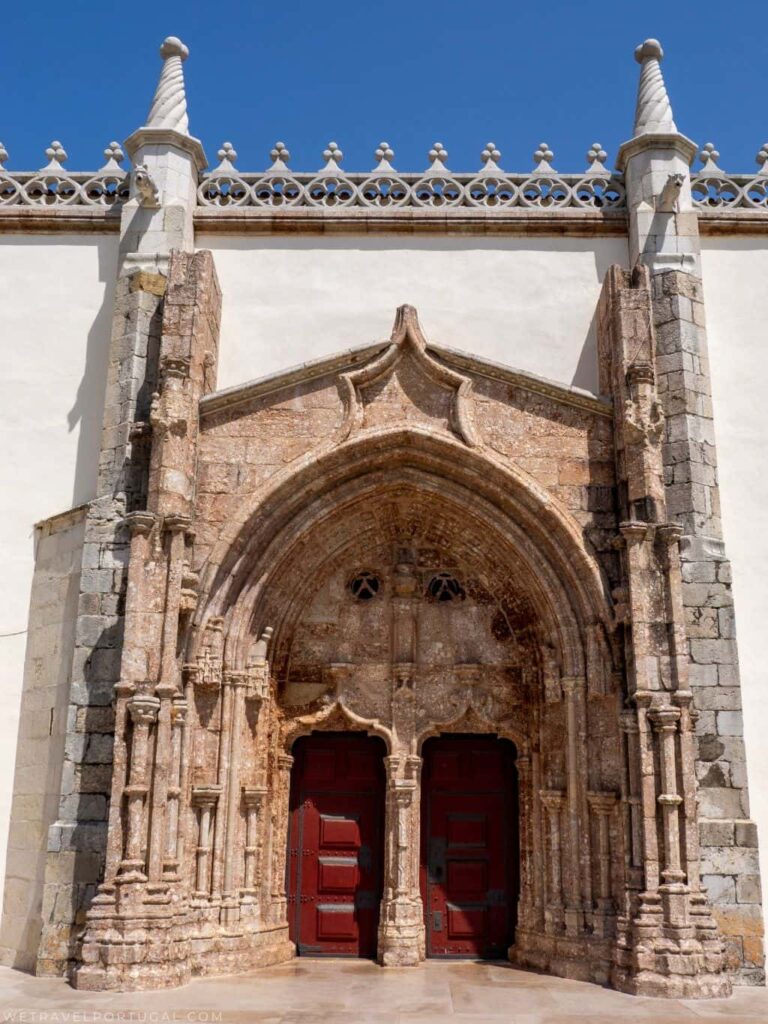
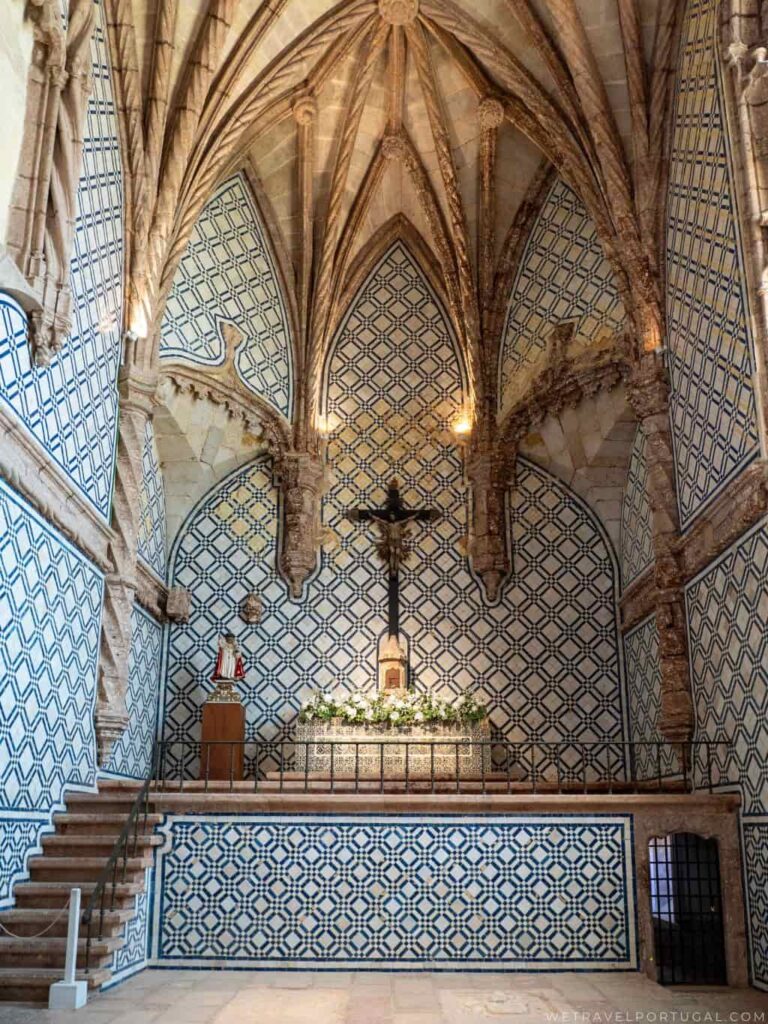
Setúbal hides a grand Manueline piece of architecture, with a connection to Lisbon’s much more famous Jerónimos Monastery. Igreja do Convento de Jesus (The Convent of Jesus) dates to King John II reign and it was designed by the same designer as the Jerónimos monastery in Lisbon – Diogo de Boitaca.
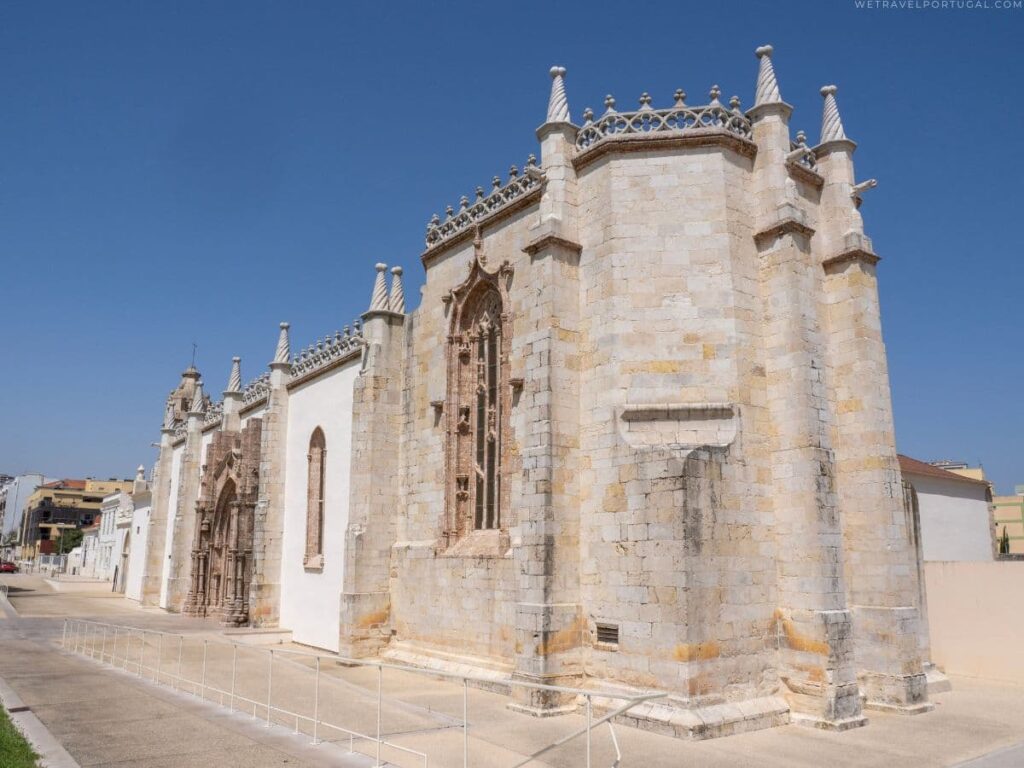
The Convent of Jesus is on slightly smaller scale, but is as intricately designed and there’s many Manueline details to discover. Inside are beige marble columns from the Serra da Arrábida, and the surrounding walls are covered in typical Azulejos. Towards the altar are more modern (18th Century) geometric tiles that give a nice contrast to the wonderful interior.
Museu de Setúbal
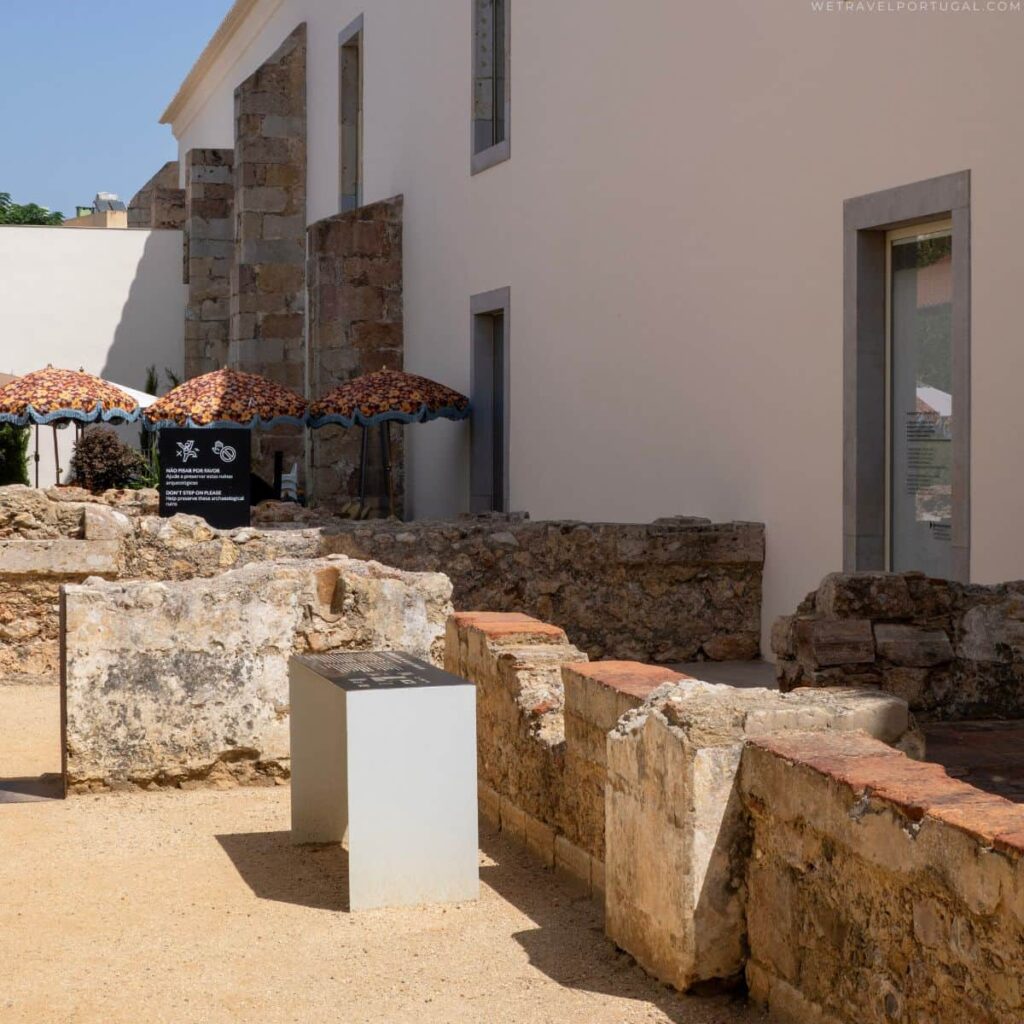
Next door to the convent is the Museu de Setúbal, which has been housed in the convent since 1961. It costs €3 to enter and houses art from the late Middle Ages, the Renaissance and the Baroque. As well as archaeological finds from the convent’s long history.
Parque do Bonfim and its Colourful Statues
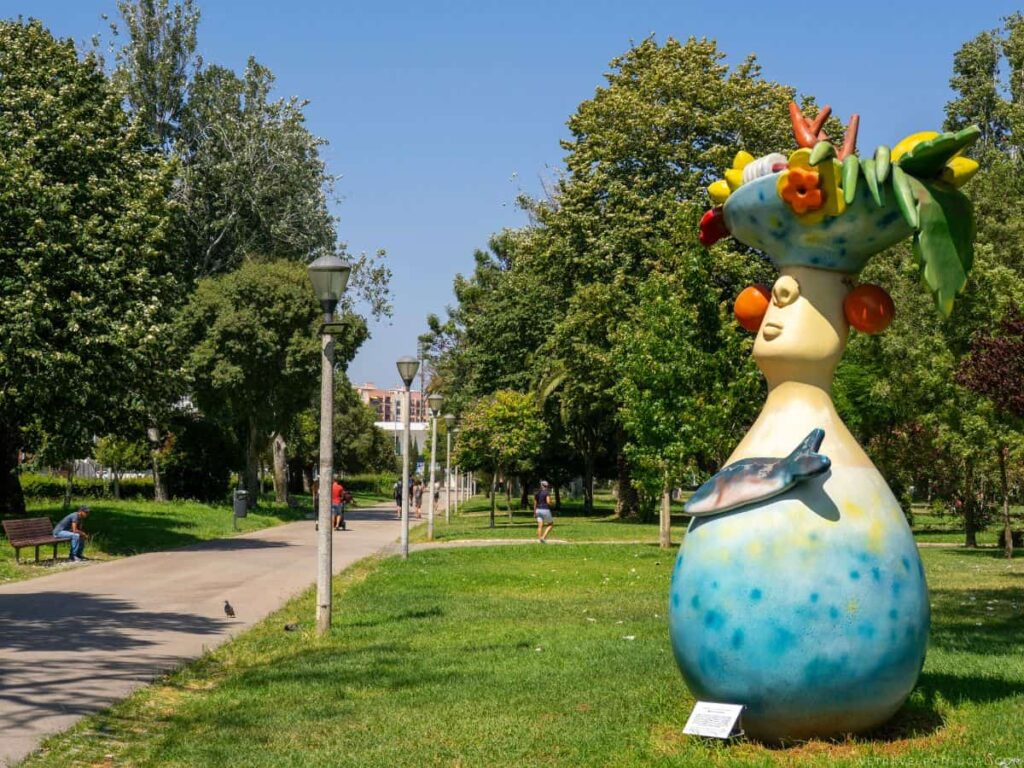
Heading north from the convent along Avenida 22 de Dezembro will lead you to Parque do Bonfim. A tree filled park with a lake – on the edge of that lake is also a large café. Dotted around the park are some amazing and sometime humorous sculptures by local artist – Hélder Silva. They are large scale replicas of another artists Maria Pó’s ceramic works celebrating the people and culture of Setúbal.
You’ll find sculptures of local people (like the earlier mentioned Bocage), celebrities like Luísa Todi, and characters like the ‘fish unloader’ all in Maria Pó’s whimsical style. If you’re looking for a shady break, then a wonder around the park looking for all the statues is a fun way to cool off in the shade!
Forte de São Filipe
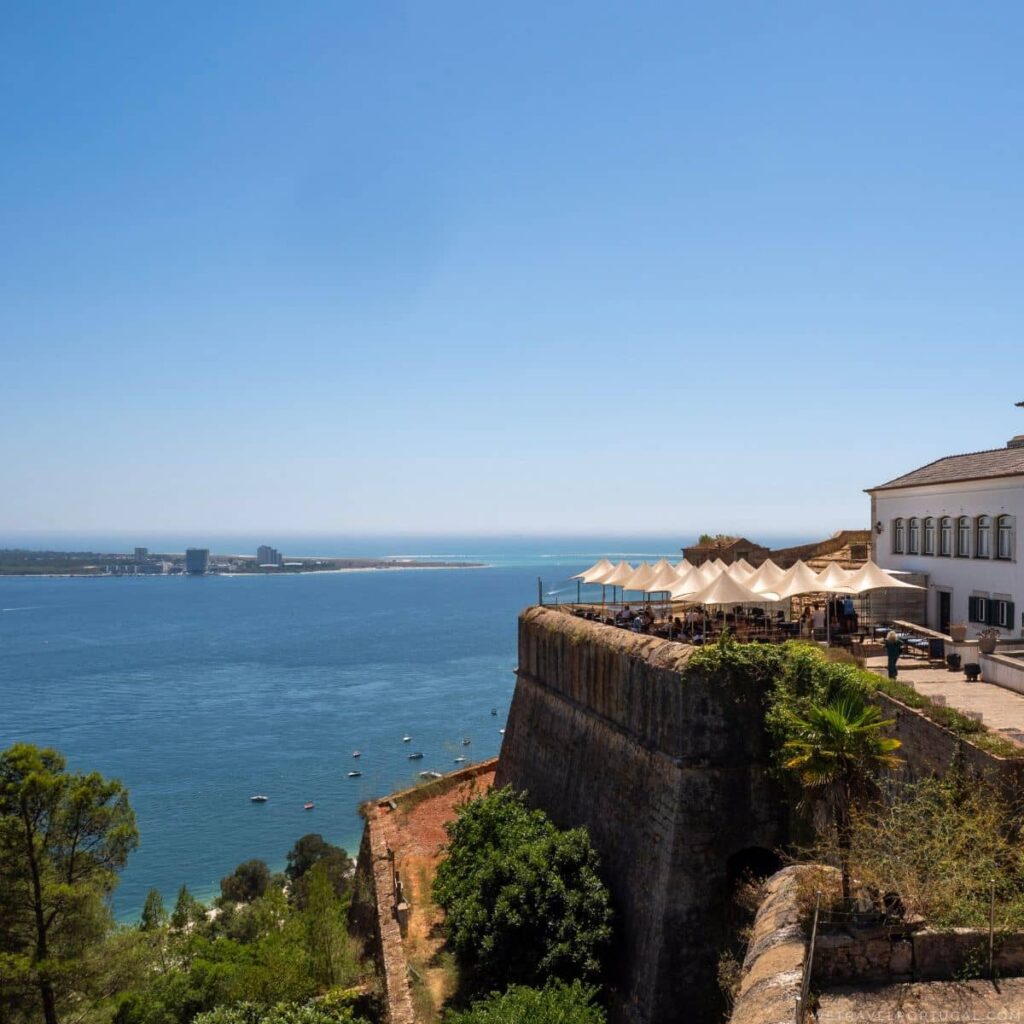
About 1.5km from the centre of town, high on the hillside is Forte de São Filipe. Setúbal’s original defence from any coastal raiders. It’s a 16th century fort, which was updated to ‘star fort’ styling in the 17th century. Today you can explore all of the battlements, find the incredible azulejo lined Capela do Forte, or simply take in the incredible panoramic views of Setúbal and the Sado Estuary. Even if you’re not interested in the historical site, the views are worth it!
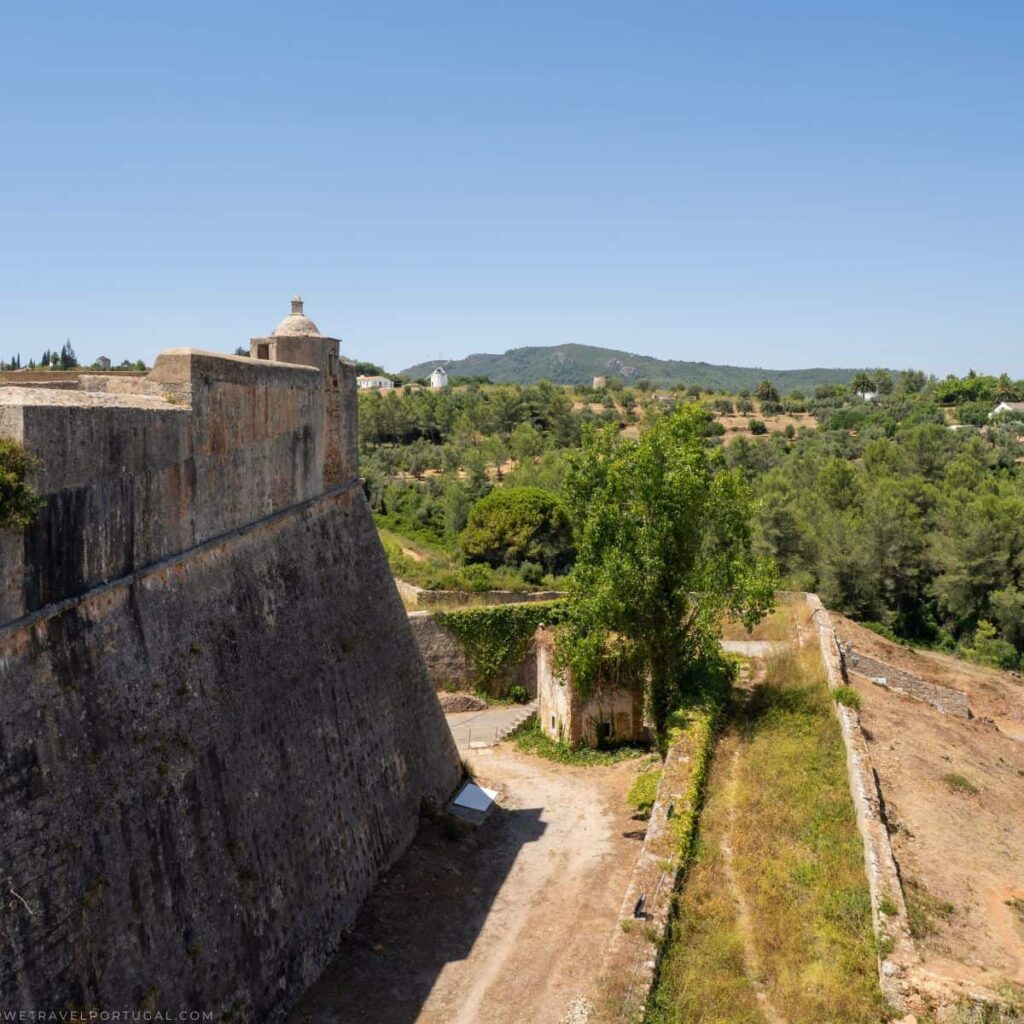
Technically, you can walk to the fortress, it’s around a mile (1.5km) each way from the town centre. In the summer, it’s probably not worth it in the heat though! Ride shares (Uber and Bolt) are plentiful and very reasonably priced.
Museu do Trabalho Michel Giacometti
Setúbal wears its industrial heritage proudly, and one of the best places to find out more is in the Museu do Trabalho Michel Giacometti (The Museum of Labour). It’s housed in a former canning factory and its permanent exhibitions cover the canning industry, and the rural industry surrounding Setúbal.
Meet the Locals– Portugal’s Resident Dolphins
Setúbal lies on the Sado Estuary which is home to Portugal’s only population of resident dolphins. Watching them in their natural habitat is a one-of-a-kind activity that can be found nowhere else in Portugal. In fact, this is one of only five places in Europe where you can observe a pod of resident dolphins.
Something really important to mention is that these resident Bottlenose Dolphins are wild animals in their natural habitat. All tour operators follow a strict set of standards maintained by the ICNF (Portugal’s Government Wildlife Organisation). There is no feeding, no encouragement, and no interaction with the dolphins, other than observation. These trips are touristy activities, but the dolphins are wild!

Setúbal Specialties – What to Eat and Drink in Setúbal
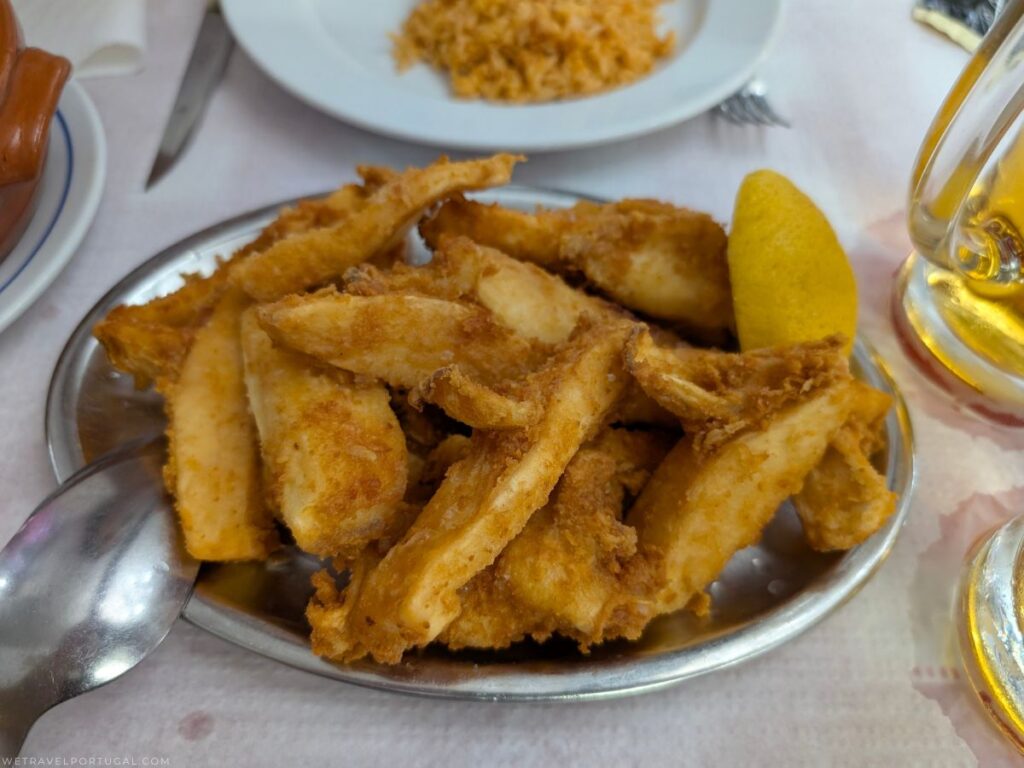
As you’ve been walking around the town, you might have noticed that Setúbal seems a little bit obsessed with ‘choco’. Choco is cuttlefish in Portuguese and you’ll find artwork, street art, souvenirs, and even a statue, all dedicated to choco. The local dish to try is Choco Frito, and it’s strips of choco, battered, and deep fried.
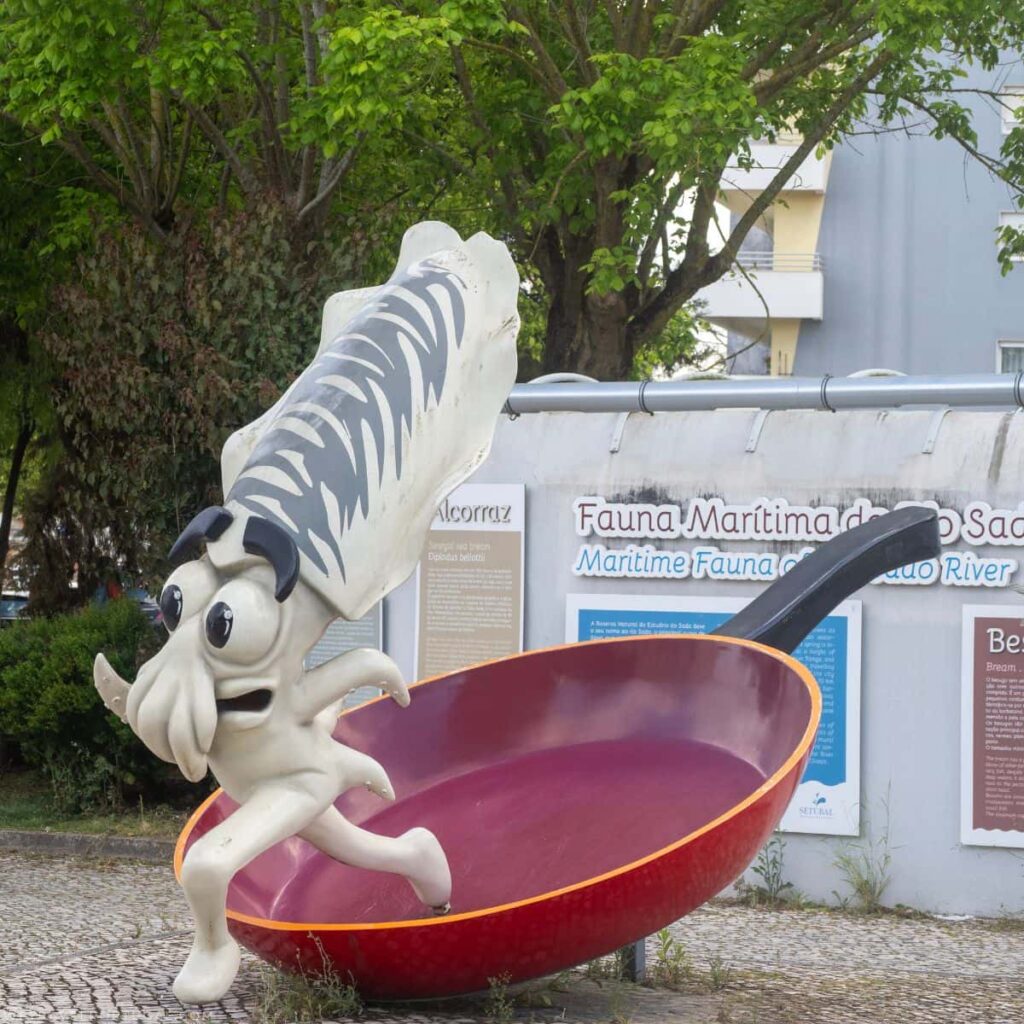
If you want to stir up some healthy debate, ask someone local to Setúbal where to find the best Choco Frito, there’s that many restaurants dedicated to it that it can be hard to decide. Adega Leo do Choco is perhaps the most famous alongside Casa Santiago, but both Cais 56 and Casa Lagarto are excellent too. Depending on the time of day its probably worth visiting whichever have a table available as they all get very busy.
Outside of fried cuttle fish, there’s also lots of typical seafood on offer. In the summer you’re never far from grilled sardines, or an incredible arroz de marisco (seafood rice).
Get to know the Setúbal Wine Region
The Setúbal wine region is one of the DOC wine region Portugal offers. It’s effectively split into two areas – Palmela to the north-east, and Setúbal occupying a larger region to the southwest of it. This small but excellent wine region is the birthplace of Moscatel de Setúbal a famed fortified wine – that’s not quite as famous as the other fortified wines Portugal produces. You’ll also find your typical reds, whites, and rosés, but the star of the show is the Moscatel de Setúbal.
Visit Azeitão and the Wine Estates
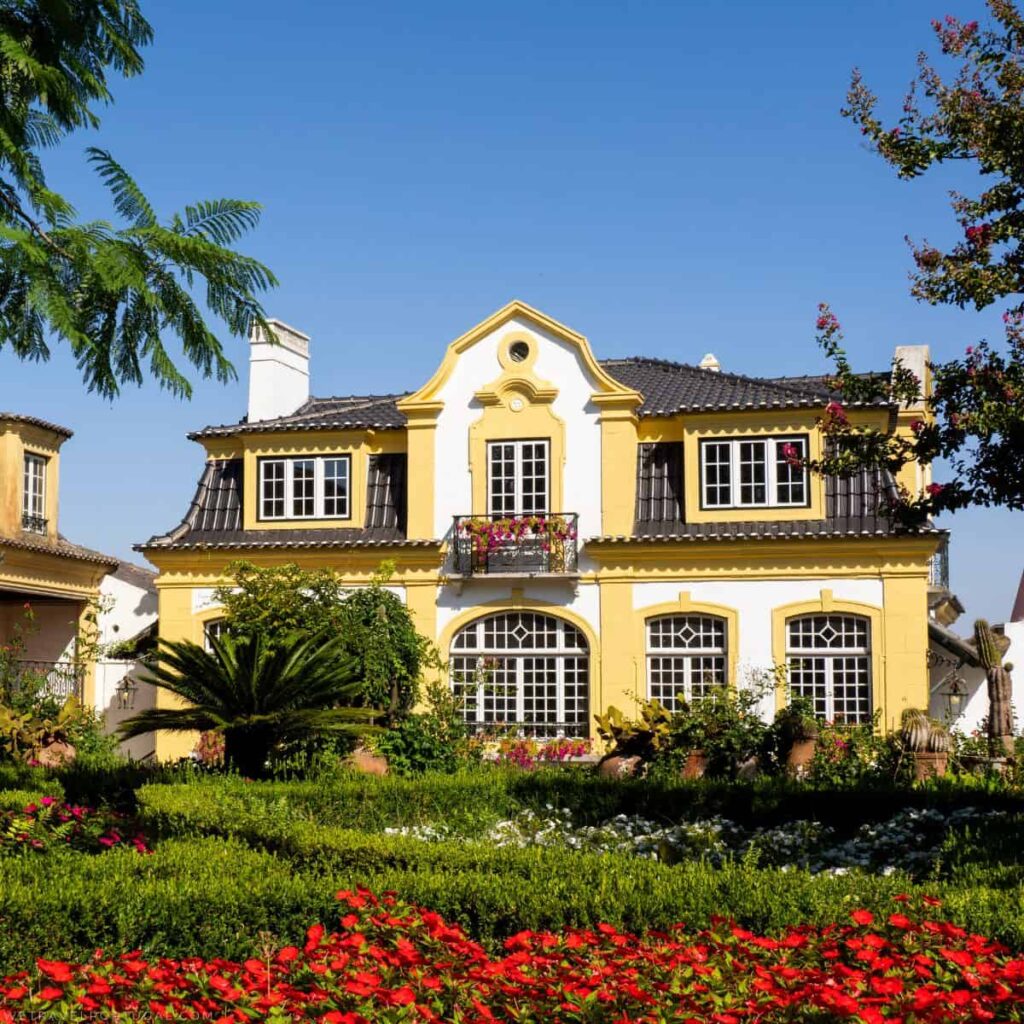
In the city itself, you’ll find wine bars, and tascas stocked with the local wine. To really experience it though, you are best heading outside of the city to the village of Azeitão. In Azeitão you’ll find two of the largest produces – José Maria da Fonseca and Bacalhôa. Both historic estates well worth visiting. If you’re planning on making the trip – safest is to uber/bolt or take a taxi, they are very generous with their wine tastings!
Hit the Beach – Praia da Saúde
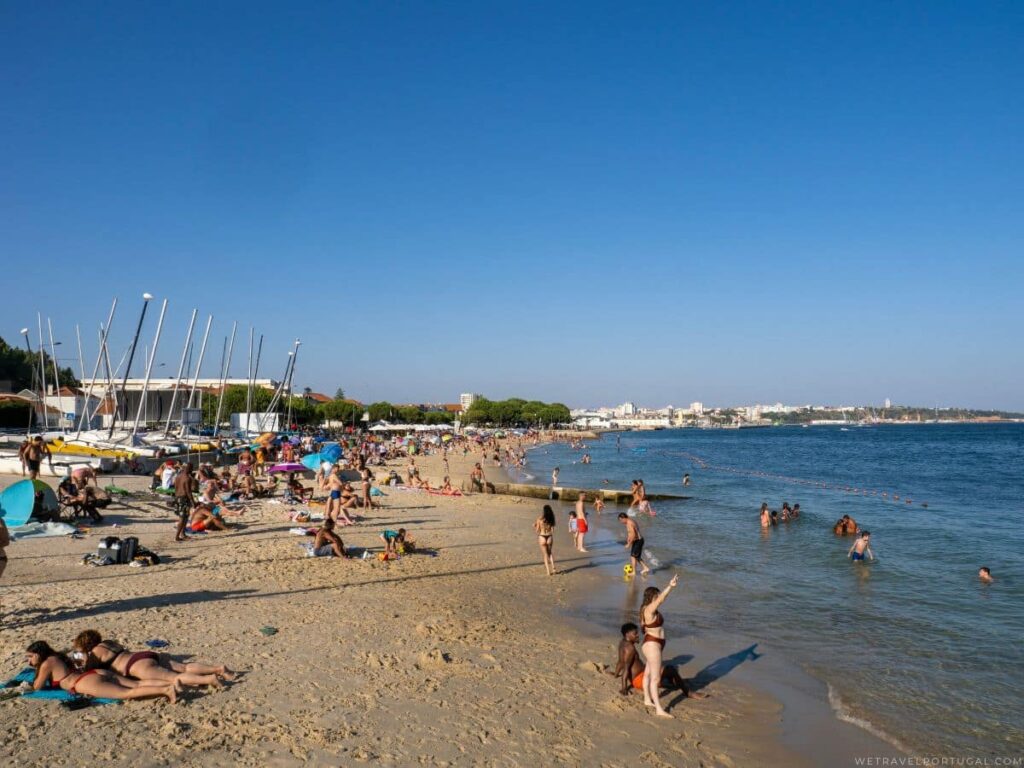
Did we mention that Setúbal has a little bit of everything? It even has a beach along that amazing waterfront. At the western end of the waterfront, you’ll find Jardim da Saúde and Parque Urbano de Albarquel. Sandwiched between them is a beach known as Praia da Saúde. For quick dips, and afternoon walks it’s a great beach. However, if you want truly great beaches like nowhere else in Portugal then you are best heading to the Troia Peninsula or into the Arrábida National Park.
Somewhere to Stay in Setúbal?
As a small city, you’ll find a wide range of hotels in Setúbal – from cosy bed and breakfasts, boutique hotels, and some larger international chains. On my most recent visit I stayed in the Meliá Setúbal a mid sized hotel opposite Parque do Bonfim. With a small spa, indoor swimming pool, and gym it was a great place to relax after a day exploring. On the outskirts you’ll find Novotel Setúbal which is more resort sized and offers multiple outdoor pools, great for longer visits, or visits with family! For a more boutique experience the Rio Art Hotel is right in the town centre and a great stay as well.
Is Setúbal Worth Visiting?
Absolutely yes. Setúbal is well worth visiting, and even staying in. It’s a city destination, with some amazing coastline – and offers something a little different to your typical Portugal itineraries. If you’re interested in wine, food, nature, or beaches, Setúbal is well worth exploring.
